
Why Am I Always Tired as a Woman? Hidden Causes You Shouldn’t Ignore
Uncover the Surprising Health, Hormonal, and Lifestyle Factors Behind Constant Fatigue in Women—and What You Can Do to Reclaim Your Energy

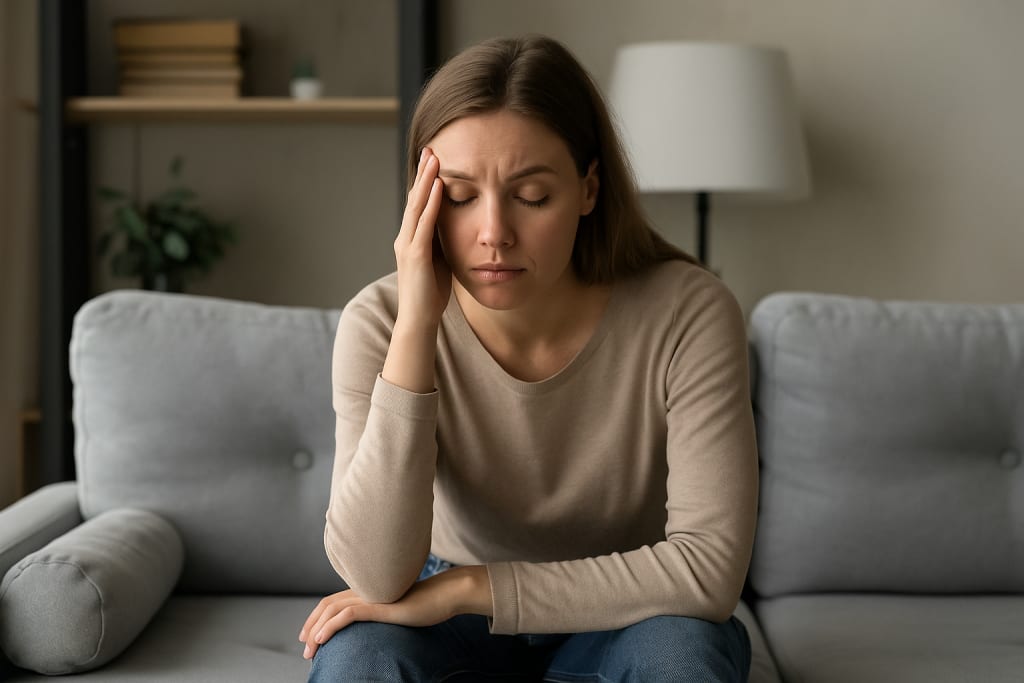
If you constantly feel drained no matter how much you sleep, you're not alone. Many women silently battle a deep, unrelenting fatigue that doesn’t go away with a cup of coffee or a few extra hours of rest. The exhaustion can be physical, mental, emotional—or a complex combination of all three. And while feeling tired now and then is normal, being tired all the time isn’t.
This kind of chronic fatigue can point to something deeper. It may not always be easy to identify, but understanding the hidden causes of exhaustion is the first step to getting your energy—and your life—back.
Let’s explore the lesser-known reasons women feel perpetually tired, and what you can do about it.
1. Hormonal Imbalances: More Than Just PMS
Hormones play a vital role in regulating energy, mood, and sleep. Estrogen, progesterone, and thyroid hormones are especially influential in a woman’s body.
When estrogen levels drop (like before your period, during perimenopause, or after childbirth), you may feel foggy, emotionally depleted, or physically exhausted. Progesterone, often called the “calming hormone,” can also impact sleep quality. Too little, and you may struggle to relax or get deep, restorative rest.
Thyroid dysfunction, particularly hypothyroidism, is a commonly overlooked cause of fatigue. It affects women at far higher rates than men. When your thyroid is underactive, your metabolism slows, and you may feel cold, sluggish, and emotionally flat.
What to do: If you suspect hormones are the issue, ask your doctor about a full hormone panel—including thyroid, estrogen, progesterone, and cortisol. Track your cycle and energy levels. Patterns can offer clues.
2. Iron Deficiency and Other Nutritional Gaps
Many women, especially those who menstruate heavily or follow restricted diets, are iron deficient without realizing it. Iron is essential for producing hemoglobin, the protein in red blood cells that carries oxygen throughout your body. Without enough of it, your muscles and brain don’t get the oxygen they need. The result? You feel tired—even after sleeping.
But it’s not just iron. Low levels of B12, magnesium, or vitamin D can also lead to energy crashes, poor concentration, and irritability.
What to do: Request a blood test that checks for ferritin (stored iron), not just hemoglobin. Ask for B12, D, and magnesium too. If you’re deficient, supplements or dietary changes can make a dramatic difference
3. Sleep Disturbances That Go Unnoticed
It’s possible to spend eight hours in bed and still wake up feeling drained. Conditions like sleep apnea, restless leg syndrome, or nighttime anxiety can all disrupt the quality of your rest.
Women are more likely to report insomnia or light, restless sleep—often due to hormone shifts, stress, or undiagnosed conditions. You may not even remember waking up during the night, but your body does.
What to do: Pay attention to how you feel upon waking. Do you feel refreshed, or like you ran a marathon in your sleep? Keep a sleep journal. If symptoms persist, a sleep study might be the key to unlocking deeper rest.
4. Chronic Stress and Mental Load
Fatigue isn’t always physical. Emotional and cognitive exhaustion are just as real. The constant juggling of work, family, relationships, finances, and self-image takes its toll. And for many women, the mental load—the unseen list of responsibilities and worries that never ends—becomes overwhelming.
Cortisol, the stress hormone, spikes when your body feels under attack. Over time, chronic stress dysregulates your adrenal system. You may feel wired and tired, emotionally frayed, or numb.
What to do: Set boundaries. Learn to say no. Delegate when you can. Practice daily stress-relief strategies like deep breathing, movement, or talking to someone who understands. You don’t have to carry everything alone.
5. Undiagnosed Medical Conditions
Sometimes fatigue is the tip of the iceberg. Several underlying health issues can cause persistent tiredness:
- Autoimmune diseases like lupus, rheumatoid arthritis, or Hashimoto’s
- Diabetes or insulin resistance, where blood sugar levels fluctuate abnormally
- Chronic Fatigue Syndrome (ME/CFS), a complex disorder marked by deep, long-lasting fatigue
- Depression or anxiety, which often present with physical symptoms, not just mood-related ones
These conditions are easy to miss or misdiagnose—especially in women, who are more likely to have their symptoms dismissed or attributed to “stress.”
What to do: Listen to your body. If something feels wrong, push for answers. Advocate for yourself. If your doctor isn’t taking you seriously, find one who will.
6. Poor Gut Health and Food Sensitivities
Your gut is deeply connected to your energy levels. When your digestive system isn’t functioning properly, nutrients aren’t absorbed well—even if you eat a balanced diet. Conditions like IBS, leaky gut, or undiagnosed food sensitivities (especially gluten or dairy) can cause low-grade inflammation, which drains energy.
The gut is also home to neurotransmitters like serotonin, which influence mood, sleep, and motivation. If your microbiome is out of balance, you may feel it in every system.
What to do: Notice how you feel after eating. Bloating, sluggishness, or brain fog after meals can be signs of sensitivity. A food journal can help uncover patterns. Probiotics and an anti-inflammatory diet may help restore balance.
7. Not Moving Enough—Or Moving Too Much
Ironically, both a sedentary lifestyle and excessive exercise can make you feel exhausted. If you’re not moving your body regularly, circulation slows, energy levels drop, and you may start feeling more sluggish.
On the flip side, overtraining without enough recovery can backfire. If your workouts leave you wiped out for days, you might be pushing too hard without proper fuel or rest.
What to do: Aim for gentle, consistent movement. Walk. Stretch. Try yoga or dancing. Pay attention to how you feel after a workout, not just during. Recovery matters as much as effort.
8. Unmet Emotional Needs and Lack of Fulfillment
Sometimes fatigue isn’t about physical health at all—it’s a signal from the soul. If you’re stuck in a job that drains you, a relationship that hurts, or a life that doesn’t feel like yours, that can manifest as chronic exhaustion.
Living out of alignment with your values, purpose, or passions creates a slow leak of energy. You may feel heavy, disconnected, or emotionally numb.
What to do: Ask yourself: What do I need that I’m not getting? What’s weighing me down? Start small. Take one step toward joy, freedom, or meaning. Even a little shift can reignite your spark.
Fatigue Is a Message, Not a Failure
Tiredness isn’t a personal flaw. It’s not laziness, weakness, or “just being a mom.” It’s your body trying to communicate that something needs attention—something real, and possibly urgent.
As a woman, it’s easy to dismiss your own needs. To push through. To normalize the tiredness because everyone else seems tired, too.
But you deserve to feel alive, not just functional.
Start with awareness. Explore the possible causes. Get curious, not critical. And above all, don’t ignore your fatigue—it’s often the first whisper of a deeper truth.
You’re not crazy. You’re not weak. You’re not alone.
You’re tired for a reason. Now it’s time to find out why.
About the Creator
Richard Bailey
I am currently working on expanding my writing topics and exploring different areas and topics of writing. I have a personal history with a very severe form of treatment-resistant major depressive disorder.
Keep reading
More stories from Richard Bailey and writers in Viva and other communities.
Endometriosis: Symptoms, Treatments, and How It Affects Women’s Health & Fertility
Endometriosis is a chronic medical condition that affects millions of women worldwide. It occurs when tissue similar to the lining of the uterus (endometrium) grows outside the uterus, leading to pain, inflammation, and other complications. Understanding the symptoms, available treatments, and the impact of endometriosis on a woman's life is essential for early diagnosis and effective management.
By Richard Baileyabout a year ago in Viva
Is Lab-Grown Meat Even Edible?
For decades, the idea of meat grown in a laboratory sounded like something out of science fiction. The concept of producing a steak or chicken nugget without raising or slaughtering animals seemed futuristic, even unsettling to many people.
By Navigating the World6 days ago in Viva
Get Rid of Dark Pimple Marks
Dark pimple marks, often called post-acne marks, are one of the most common skin concerns today. Even after acne heals, these marks can remain on the skin for weeks or even months, making the complexion appear uneven. Many people struggle with these stubborn spots, especially those with oily or sensitive skin.
By Stories Todayabout 5 hours ago in Viva



Comments
There are no comments for this story
Be the first to respond and start the conversation.