
Endometriosis: Symptoms, Treatments, and How It Affects Women’s Health & Fertility
Understanding Endometriosis: Causes, Symptoms, Treatment Options, and Its Impact on Women's Health and Fertility

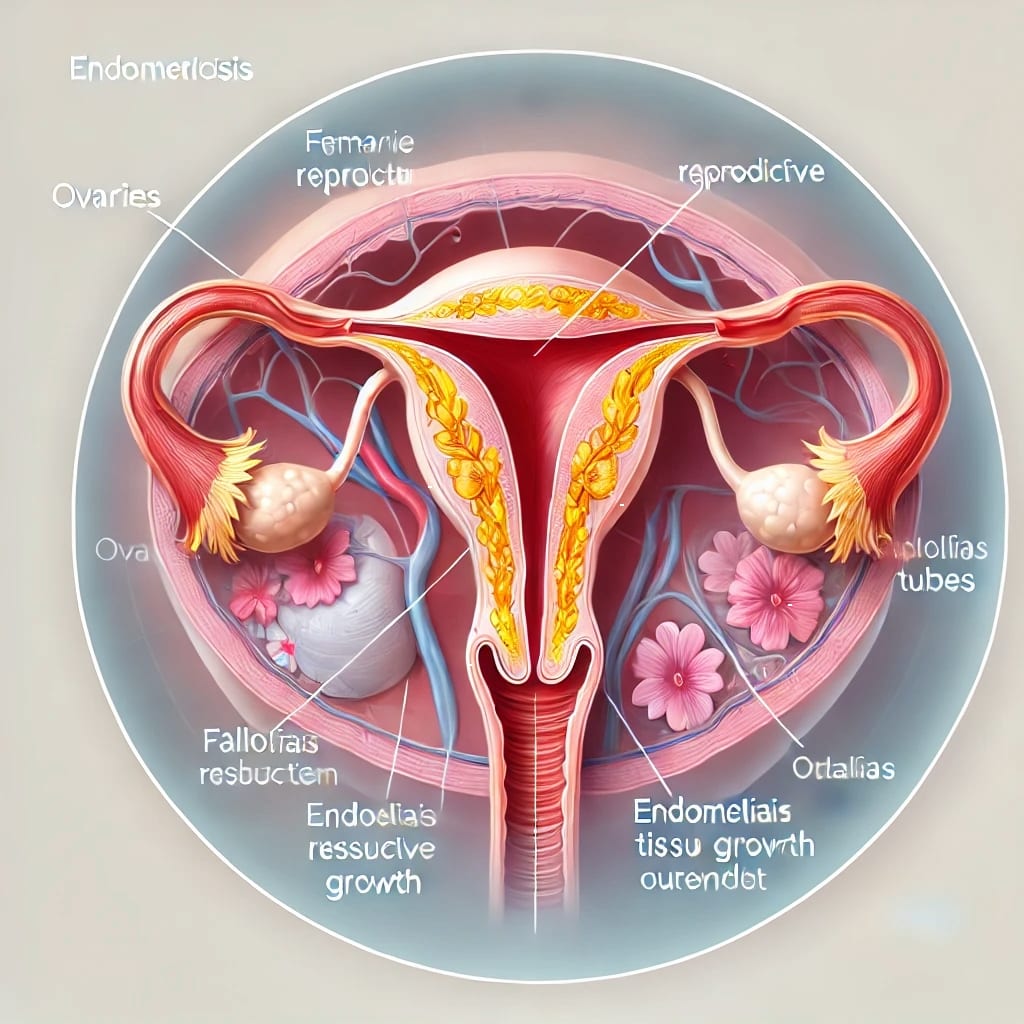
Endometriosis is a chronic medical condition that affects millions of women worldwide. It occurs when tissue similar to the lining of the uterus (endometrium) grows outside the uterus, leading to pain, inflammation, and other complications. Understanding the symptoms, available treatments, and the impact of endometriosis on a woman's life is essential for early diagnosis and effective management.
Symptoms of Endometriosis
The symptoms of endometriosis can vary widely, and some women may experience severe discomfort while others have mild or no symptoms. The most common symptoms include:
- Pelvic pain – This is one of the hallmark symptoms of endometriosis. The pain is often severe and chronic, particularly before and during menstruation. It may also be present between cycles.
- Painful periods (Dysmenorrhea) – Cramping and pain that can begin before menstruation and extend several days after the cycle ends. The pain may intensify over time.
- Pain during intercourse (Dyspareunia) – Women with endometriosis often experience discomfort or severe pain during or after sexual intercourse due to inflammation and scarring of pelvic tissues.
- Pain with bowel movements or urination – This symptom is more common during menstruation, as endometrial-like tissue can affect the bladder and intestines, leading to pain, constipation, diarrhea, or bloating.
- Excessive bleeding – Heavy menstrual periods (menorrhagia) or spotting between periods (irregular bleeding) can occur.
- Infertility – Endometriosis can cause difficulties in conceiving due to inflammation, scarring, and adhesions that may affect the fallopian tubes and ovaries.
- Other symptoms – Fatigue, nausea, bloating, and digestive issues such as diarrhea, constipation, and gas. Some women may also experience back pain and leg pain.
The severity of symptoms does not always correlate with the extent of the disease. Some women with mild endometriosis may have intense pain, while others with severe cases may experience little discomfort.
Treatments for Endometriosis
There is no cure for endometriosis, but various treatments help manage symptoms and improve quality of life. Treatment options vary depending on the severity of symptoms, a woman’s age, and whether she wishes to conceive in the future.
1. Medications
- Pain relievers – Nonsteroidal anti-inflammatory drugs (NSAIDs) like ibuprofen (Advil, Motrin) and naproxen (Aleve) help alleviate pain and inflammation. In some cases, prescription pain relievers may be needed.
- Hormonal therapy – Hormones help regulate or suppress menstrual cycles, preventing endometrial-like tissue from growing and shedding. Options include:
- Birth control pills, patches, or vaginal rings – These reduce menstrual flow and can alleviate pain.
- Progestin therapy – Available as pills, injections, or intrauterine devices (IUDs), progestin can slow endometrial tissue growth and decrease symptoms.
- Gonadotropin-releasing hormone (GnRH) agonists and antagonists – These medications lower estrogen levels, creating a temporary menopausal state that reduces pain and tissue growth.
- Danazol – A synthetic androgen that suppresses estrogen, reducing symptoms, though it may cause side effects such as weight gain and deepening of the voice.
2. Surgery
For women who do not respond to medication, surgical intervention may be necessary to remove endometrial-like growths and scar tissue.
- Laparoscopic surgery – A minimally invasive procedure in which a surgeon removes endometriotic lesions using small incisions and specialized instruments. This approach helps relieve pain and improve fertility.
- Laparotomy – A more extensive surgery used in severe cases where a larger incision is made to remove deeply infiltrated endometrial tissue.
- Hysterectomy – In severe cases, the removal of the uterus (and sometimes the ovaries) may be recommended. However, this is generally considered a last resort and is not always a definitive cure, as symptoms can persist if any endometrial-like tissue remains.
3. Lifestyle and Alternative Therapies
While medical treatments are essential, lifestyle changes and alternative therapies can help manage symptoms and improve quality of life.
- Dietary changes – An anti-inflammatory diet rich in omega-3 fatty acids (found in fish, nuts, and seeds), fruits, and vegetables may help manage symptoms. Reducing caffeine, alcohol, and processed foods may also be beneficial.
- Physical therapy – Pelvic floor therapy can help relieve pain by improving muscle function and reducing tension in the pelvic region.
- Exercise – Regular physical activity, such as yoga, stretching, and low-impact cardio, can help reduce inflammation and promote overall well-being.
- Acupuncture – Some women find relief through acupuncture, which may help regulate pain signals and reduce inflammation.
- Stress management – Techniques like meditation, deep breathing, and mindfulness can help reduce stress, which may aggravate symptoms.
The Impact of Endometriosis on a Woman’s Life
Endometriosis can profoundly affect a woman's personal, social, and professional life. The chronic pain and fatigue can make daily activities difficult, leading to reduced productivity and frequent absences from work. The condition also impacts emotional well-being, often contributing to anxiety and depression. Moreover, the struggle with infertility can be emotionally distressing for those wishing to conceive.
Women with endometriosis may also face challenges in relationships due to pain during intercourse and the psychological toll of living with a chronic condition. Raising awareness and ensuring access to appropriate medical care is crucial for improving the lives of those affected.
Endometriosis is a complex and often misunderstood condition that significantly impacts the lives of many women. Recognizing symptoms early and seeking medical advice can lead to better management strategies, improving quality of life. With continued research and advocacy, more effective treatments and increased awareness can help women navigate the challenges of endometriosis with greater support and understanding.
About the Creator
Richard Bailey
I am currently working on expanding my writing topics and exploring different areas and topics of writing. I have a personal history with a very severe form of treatment-resistant major depressive disorder.
Keep reading
More stories from Richard Bailey and writers in Viva and other communities.
Understanding Low Iron Levels During Menopause: Causes, Effects, and Treatment
Menopause is a natural transition in a woman's life, marking the end of reproductive years. While it comes with several changes, one often-overlooked issue is low iron levels. Many associate iron deficiency with menstruation due to blood loss, but iron levels can still drop significantly during menopause. This article explores the causes, effects, and treatment options for low iron levels in menopausal women.
By Richard Bailey11 months ago in Viva
What is the Ideal Length for a Maldives Getaway
The Maldives is not a destination designed for speed. Its appeal lies in isolation, rhythm, and the luxury of doing very little without guilt. Once you arrive on your island, the outside world effectively disappears — there are no cities to hop between, no attractions to tick off, and no schedules competing for attention. This means the “ideal” length of stay is less about efficiency and more about allowing enough time for your body and mind to recalibrate. The Maldives rewards patience, presence, and unstructured time in a way few destinations can.
By ameliarosannaabout 7 hours ago in Viva
A Dart at Dusk
Seconds ago, the sullen sun set on the two of us… my exuberant furry companion and me. A fresh breeze embraces us, delivering welcome relief from the day’s oppressive heat. His typical stumbling and staggering along — apace with a sloth — has turned into trip-trapping, high-stepping, almost skipping along.
By Angie the Archivist 📚🪶6 days ago in Petlife


Comments