
8 Risk Factors That Increase the Chances of Tuberculosis – Insights from the Best Pulmonologist in Chhattisgarh
Best Pulmonologist in Chhattisgarh suggests 8 factors that increase the chances of tuberculosis
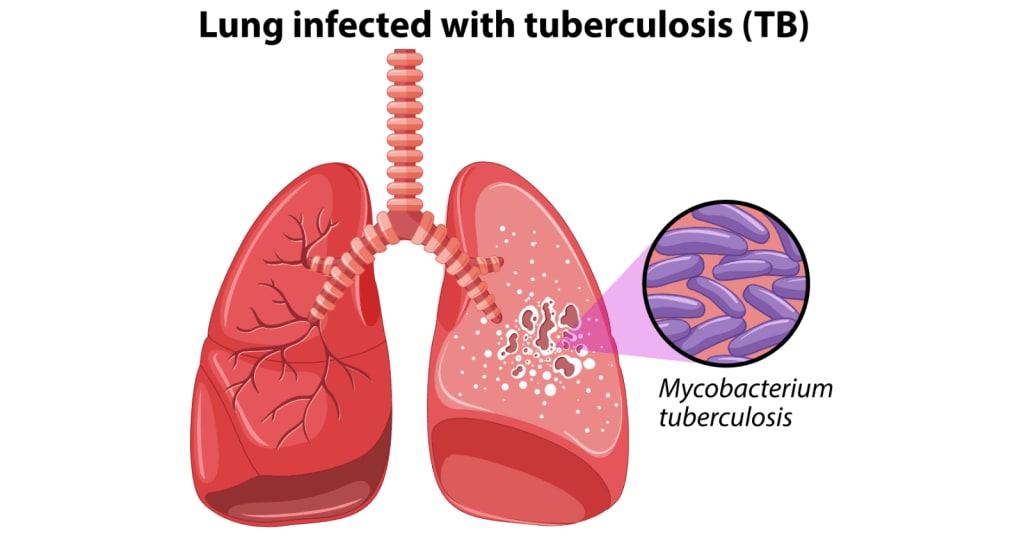
Tuberculosis (TB) remains a global health concern, affecting millions every year. Despite advancements in medical science, the risk of contracting TB still exists, especially among individuals with certain health conditions or lifestyle factors that make them more vulnerable to Mycobacterium tuberculosis—the bacteria responsible for TB.
A Pulmonologist in Chhattisgarh emphasizes that understanding TB risk factors is crucial for prevention, early diagnosis, and timely treatment. This article explores eight major risk factors that increase the likelihood of TB infection and provides expert insights on how to reduce your risk.
1. Weakened Immune System
Your immune system fights infections, including TB. When the body's defenses are broken down, the risk of developing active tuberculosis increases significantly. Those with a weakened immune system are more likely to reactivate latent TB or contract a new TB infection.
Who Is at Risk?
✅ HIV/AIDS patients – The strongest risk factor for TB, as the virus significantly weakens the immune system.
✅ Cancer patients – Chemotherapy or radiation is suppressing the immunity.
✅ People on immunosuppressive therapy – People taking steroids or post-transplant drugs.
✅ Malnourished patients – Deficiency in vitamins and minerals lowers the immunity.
How to Reduce the Risk?
Have a healthy diet rich in all vitamins.
Use preventive TB medicines if you have HIV.
Stay away from direct contact with someone suffering from TB if you are having a weakened immune system.
2. Direct Contact with an Infected Person
TB is very infectious and airborne droplets in the air if an infected person coughs or sneezes. Prolonged close contact with a person who has active pulmonary TB increases the chances of infection dramatically.
Who's at Risk?
Family members of an infected person.
Healthcare workers in facilities where TB patients are being treated.
Caregivers in cramped living conditions like prisons or shelters.
How to Reduce Risk?
Use N95 masks in high-risk environments.
Ensure adequate ventilation in common areas.
Undergo TB screening tests periodically if you stay or work with TB patients.
3. Malnutrition and Malnourishment
A healthy immune system requires proper nutrition, and malnourishment makes the body weak to fight TB. Most TB patients are already suffering from weight loss and vitamin deficiencies, which exacerbate the disease.
Who Is at Risk?
✅ People who live in poverty-stricken areas with limited access to food.
People who have eating disorders or chronic illness leading to a loss of body weight.
Expectant mothers and children suffering from malnutrition.
How to Decrease Risk?
Eat a protein diet with lots of fruits, vegetables, and whole grains
Take vitamin D and zinc supplement to enhance immune power
Report to the physician if you face unintended weight loss.
4. Smoking and Addiction
Tobacco smoke and drugs destroy lung tissues and thus make the body more susceptible to TB-causing bacteria. Smoking alone is known to double the chances of getting TB, and substance abuse lowers the general immunity.
Who Is Susceptible?
✅ Smokers and passive smokers who get exposed to other people's smoke.
✅ Alcoholics and drug abusers who have a feeble immune system.
✅ People suffering from lung diseases such as COPD, which makes them highly vulnerable to respiratory infections.
How to Minimize Risk?
Stop smoking to prevent damage to lung tissue.
Avoid alcohol and drug abuse since they weaken the immune system.
Seek medical care if one is addicted to substances.
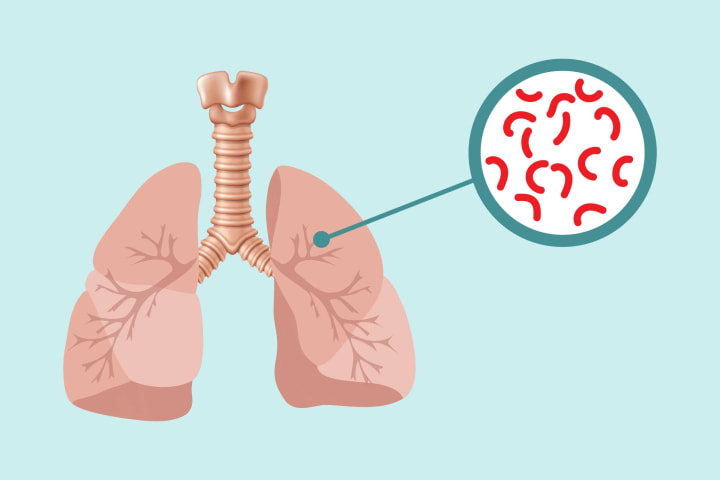
5. Overcrowding in Homes or Workplaces
TB grows in crowded areas where people reside or work close together. The chances of aerial transmission are enhanced when there is poor ventilation.
Who Is Affected?
✅ People residing in slums, prisons, dormitories, or homeless shelters.
✅ Healthcare workers and prison officers since they are in contact with the infected persons.
Factory and mining workers exposed to dust inside an enclosed place.
How Can the Risk Be Reduced?
Ensure proper ventilation within buildings.
TB screening be done in areas at higher risk
Use PPE like masks, distancing as applicable
6. Diabetes and Other Chronic Conditions
People with diabetes, renal disorders, or pulmonary conditions are at higher risk due to poor infection control mechanisms.
Who is Affected?
✅ Diabetics – TB is 2-3 times more common in diabetics.
✅ People with kidney disease – Dialysis patients have a weakened immune system.
✅ Patients with chronic lung conditions – COPD, silicosis, or asthma patients.
How to Reduce Risk?
Control blood sugar levels if diabetic.
Get regular TB screenings if you have chronic conditions.
Exercise and eat healthily to improve overall immunity.
7. Age and Weak Immune Response
Both young children and elderly individuals are at a higher risk of contracting TB due to their weaker immune systems.
Who Is at Risk?
✅ Children under 5 years old – Immature immune system.
✅ Seniors over 65 – Decreased immunity with aging.
✅ People in elderly care facilities.
How to Reduce Risk?
Ensure childhood vaccinations (BCG vaccine) for TB protection.
Encourage regular health check-ups for the elderly.
Boost immunity through exercise and a nutritious diet.
8. Not Finishing TB Treatment Completely
The major risk factor of developing drug-resistant tuberculosis (MDR-TB) is early interruption of the treatment of tuberculosis.
Who Is At Risk?
Patients who fail to complete their TB medication.
Self-medication patients who have not consulted with a doctor.
Delaying treatment for TB based on false information.
How to Minimize the Risk?
Continue with the complete treatment course even if the patient is feeling well.
Adhere to DOTS.
Seek medical guidance from a pulmonologist before making treatment decisions.
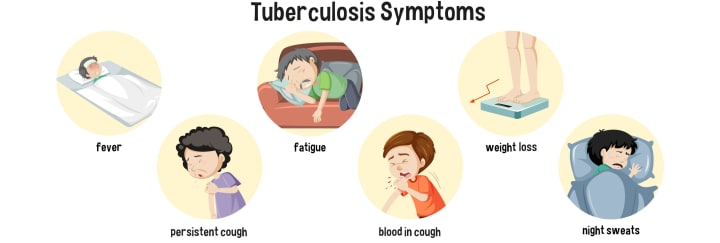
Conclusion
Understanding these risk factors is the first step in preventing TB. If you are at risk, taking proactive measures such as regular check-ups, proper nutrition, quitting smoking, and vaccination can significantly reduce your chances of developing tuberculosis.
For expert guidance, screening, and TB treatment, visit Vidya Hospital, the Best Pulmonologist in Chhattisgarh, ensuring advanced diagnostics and specialized TB care to help you breathe easier and live healthier.
About the Creator
Pulomonologist In Raipur
Vidya Hospital has a focus on prevention, as the Best Pulmonologist in Chhattisgarh provides early detection and proactive treatments to maintain healthy lungs.
Keep reading
More stories from Pulomonologist In Raipur and writers in Viva and other communities.
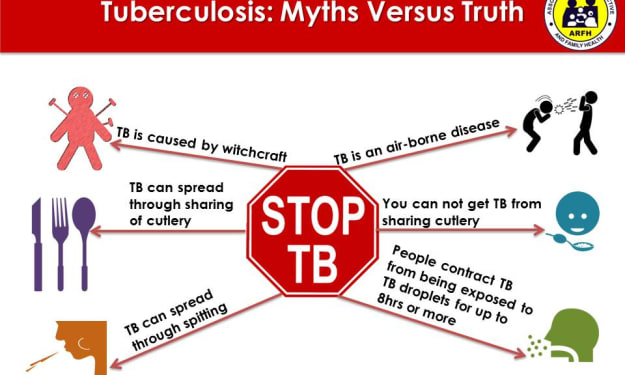
10 Myths and Facts About Tuberculosis – Explained by the Best Pulmonologist in Chhattisgarh
Tuberculosis, or TB, is one of the most common infectious diseases in the world. Despite all the medical advancements, TB is still misunderstood, and this leads to many misconceptions that delay treatment and increase its spread. Many people still believe in outdated myths about TB, which can prevent early diagnosis and proper care.
By Pulomonologist In Raipur12 months ago in Viva
The 1ct Engagement Ring: Why This "Sweet Spot" is the Biggest Wedding Trend of 2026
Choosing an engagement ring is perhaps the most high-pressure purchase a person can make. You want it to be breathtaking, timeless, and—let’s be honest—impressive. While the trend of "bigger is better" dominated the early 2020s, 2026 has brought us back to a more refined realization: the 1ct engagement ring is the absolute "Goldilocks" of the jewelry world.
By Mohd Kaish6 days ago in Viva
Prosecutors Demand Death Sentence for Ex–South Korean President Yoon Over Martial Law Crisis
In a case that has sent shockwaves through South Korea and drawn international attention, independent prosecutors have formally demanded the death penalty for former president Yoon Suk Yeol, accusing him of leading an insurrection through his short-lived but explosive declaration of martial law in late 2024. The move marks one of the most dramatic moments in South Korea’s modern democratic history and underscores how seriously authorities view the former leader’s actions.
By sehzeen fatima7 days ago in Viva



Comments
There are no comments for this story
Be the first to respond and start the conversation.