
10 Myths and Facts About Tuberculosis – Explained by the Best Pulmonologist in Chhattisgarh
Best Pulmonologist in Chhattisgarh suggests 10 myths and facts about tuberculosis

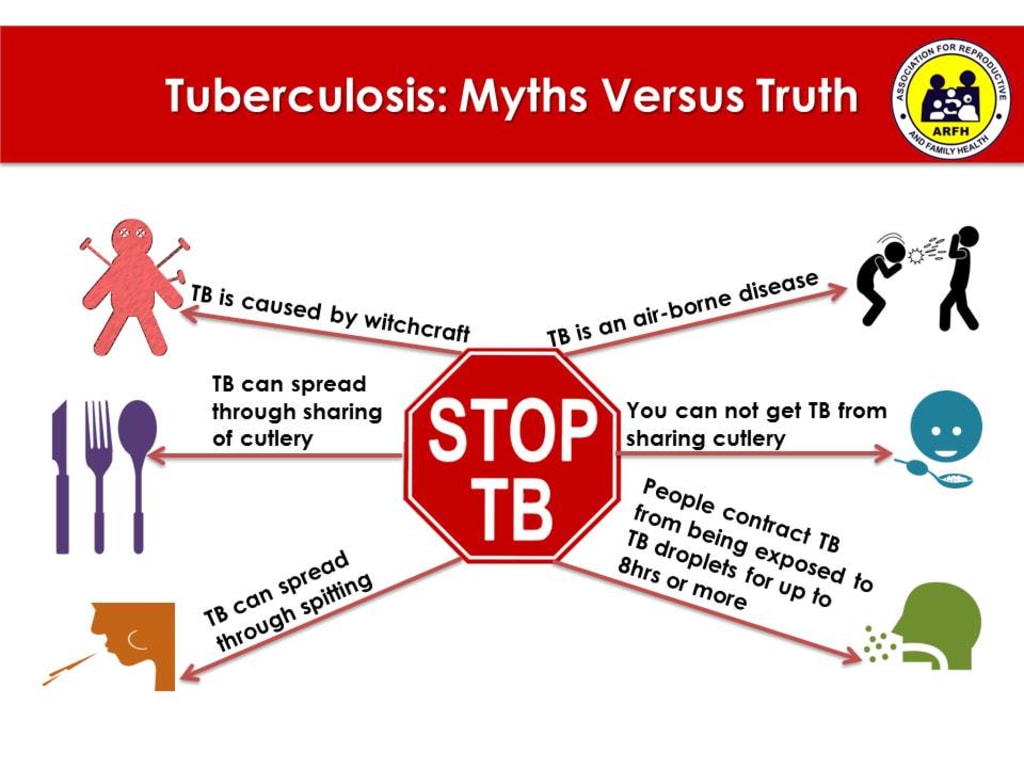
Tuberculosis, or TB, is one of the most common infectious diseases in the world. Despite all the medical advancements, TB is still misunderstood, and this leads to many misconceptions that delay treatment and increase its spread. Many people still believe in outdated myths about TB, which can prevent early diagnosis and proper care.
As Chhattisgarh's Pulmonologist puts it, "Knowing the facts about TB is the first step in prevention and effective treatment." An article to dispel 10 Common TB Myths and bring out scientific facts in order to raise awareness
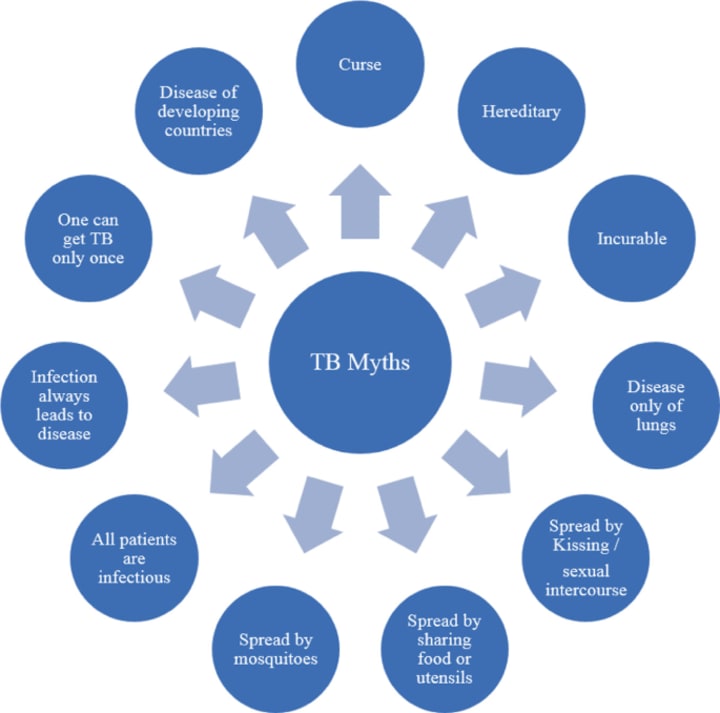
Myth 1: Tuberculosis Only Affects the Lungs
Fact: While TB primarily affects the lungs (pulmonary TB), it can also infect other parts of the body.
Tuberculosis or TB is thought by many to be a lung disease, but the extrapulmonary tuberculosis or TB can affect:
Bones and joints or Spinal TB, known as Pott's disease.
Kidneys and liver
Brain through TB meningitis
Lymph nodes and abdomen
A Pulmonologist in Chhattisgarh suggests that if there are persistent symptoms that have been unexplained although not related to the lungs, patients should immediately undergo TB screening.
Myth 2: Tuberculosis Is a Genetic Disease
Fact: TB is not hereditary; it is an infectious disease caused by Mycobacterium tuberculosis.
TB spreads through airborne droplets when an infected person coughs, sneezes, or talks. If someone in a family has TB, others are at risk not due to genetics but because of close and prolonged exposure.
The best pulmonologist in Chhattisgarh advises timely testing and preventive treatment for family members of TB patients.
Myth 3: TB Only Happens to the Poor
Fact: TB can happen to anyone irrespective of their income.
While it is true that malnutrition combined with a lack of access to health care, increases the chances of developing TB, any individual exposed to the bacteria can get TB. TB is a worldwide disease and not an exclusive product of any given economic, social, or educational stratum.
TB cases in health persons are also a result of strong immunity due to stress, diabetes, or any other disease.
Myth 4: Tuberculosis Is Very Infectious and Spreads Rapidly
Fact: TB is not that contagious as is believed by the masses.
TB spreads through extensive and close exposure to an infected person, mainly when they are suffering from active pulmonary TB and are not receiving treatment.
Casual contact through handshakes, utensils, or contact with surfaces is not a medium of TB.
Latent TB (inactive form of TB) is not infectious.
A Pulmonologist in Chhattisgarh said, "If TB is properly diagnosed early on, then one should take preventive measures such as proper ventilation, mask usage, etc. Otherwise, it would spread."
Myth 5: If You Have TB, You Will Always Show Symptoms
Fact: No, symptoms are always present in TB.
There Are Two Type of TB
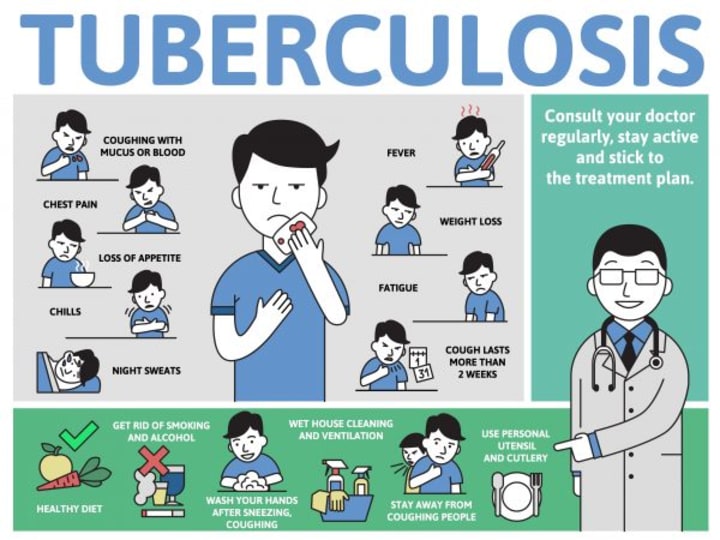
Active TB causes symptoms like coughing for a long time, weight loss, night sweating, and high fever.
Latent TB
The bacteria do not become active, and no symptoms are visible but develop into an active case at a later date.
Latent TB needs to be treated so that it does not become active and contagious.
Myth 6: Once You Feel Better, You Can Stop TB Medication
Fact: Stopping TB medication early can lead to drug-resistant TB (MDR-TB).
TB treatment lasts 6-9 months. However, most patients stop taking their medicines after recovery. This causes:
Incomplete cure of TB
Greater risk of relapse
MDR-TB (Multidrug Resistant TB), which requires more and stronger treatments
Top pulmonologists in Chhattisgarh will always suggest completing the full TB treatment course so no complication arises.
Myth 7: Tuberculosis Cannot Be Fully Cured
Fact: TB is 100% curable if treated properly.
TB can be completely cured nowadays with the drugs of TB in modern times and if proper treatment is followed.
The DOTS strategy makes it easy for the patients to continue the medication without fail.
Bedaquiline and Delamanid are two new drugs which have been found for TB which works on the drug-resistant TB.
A Pulmonologist at Chhattisgarh, asks the patient to complete the whole course of treatment and get regular follow-ups so that complete recovery can be achieved.
Myth 8: BCG Vaccine Totally Eradicated TB in Adults
Fact: The BCG vaccine only prevents the severe forms of TB in children but does not work for adults against TB.
The BCG vaccine is administered to newborns to avoid the serious forms of TB, including TB meningitis and miliary TB.
It does not offer lifelong immunity against TB in adults.
Newer TB vaccines are being developed to provide better protection.
A Pulmonologist in Chhattisgarh states that high-risk people should get screened for TB and receive preventive treatment.
Myth 9: TB Patients Need to be Isolated for Ever
Fact: Active TB patients should be temporarily isolated only at the beginning stage of treatment.
TB patients become non-infectious after 2-3 weeks of their treatment.
The patient suffering from latent TB infection should not be isolated as he or she does not transmit the infection.
The State's leading pulmonologist opined that TB patients should lead their daily life, but strictly follow the protocols.
Myth 10: Smoking and Alcohol Do Not Contribute to TB Recovery
Fact: Smokers and alcoholics take much more time to get well from TB as they deteriorate the symptoms of TB.
Smoking harms the lungs. Due to smoking, it becomes difficult for TB patients to recover.
Alcohol weakens the immune system and thus reduces the effectiveness of the TB medication.
TB patients who smoke are two times more prone to complications.
A Pulmonologist in Chhattisgarh recommends the TB patients quit smoking, stop alcohol, and maintain a healthy lifestyle for better recovery.
Conclusion
The myth about TB delays treatment, brings stigma, and spreads it widely. The fact about TB leads to early diagnosis, proper care, and recovery.
Vidya Hospital is the best Pulmonologist in Chhattisgarh that provides expert TB diagnosis, treatment, and recovery support through advanced TB care, personalized treatment plans, and pulmonary rehabilitation for complete recovery.
About the Creator
Pulomonologist In Raipur
Vidya Hospital has a focus on prevention, as the Best Pulmonologist in Chhattisgarh provides early detection and proactive treatments to maintain healthy lungs.
Keep reading
More stories from Pulomonologist In Raipur and writers in Viva and other communities.
5 Effective Ways to Prevent Tuberculosis – Expert Advice from the Best Pulmonologist in Chhattisgarh
Tuberculosis is an acute infectious disease caused by Mycobacterium tuberculosis. It may be considered a preventable and curable disease, yet it is still one of the top public health issues in the world and in India. As suggested by the best pulmonologists in Chhattisgarh, the only method through which the incidence of tuberculosis may be controlled is by prevention.
By Pulomonologist In Raipur12 months ago in Viva
What is the Ideal Length for a Maldives Getaway
The Maldives is not a destination designed for speed. Its appeal lies in isolation, rhythm, and the luxury of doing very little without guilt. Once you arrive on your island, the outside world effectively disappears — there are no cities to hop between, no attractions to tick off, and no schedules competing for attention. This means the “ideal” length of stay is less about efficiency and more about allowing enough time for your body and mind to recalibrate. The Maldives rewards patience, presence, and unstructured time in a way few destinations can.
By ameliarosannaa day ago in Viva
How to Succeed at the Benson Directory®
Congratulations and welcome to the Benson Directory® employee #22391! As our newest call handler, you will have the privilege of speaking with dozens of unique and interesting people on a daily basis as well as the opportunity to earn bonuses for high performance. Contained within this handbook you will find a set of ease to follow instructions designed to help you settle in to your new role and begin paving the way to success.
By S. A. Crawford4 days ago in Fiction




Comments
There are no comments for this story
Be the first to respond and start the conversation.