
Three Children Dead in Iran Protests as Security Forces Accused of ‘Indiscriminate Targeting’
A Tragedy That Deepens National Anguish
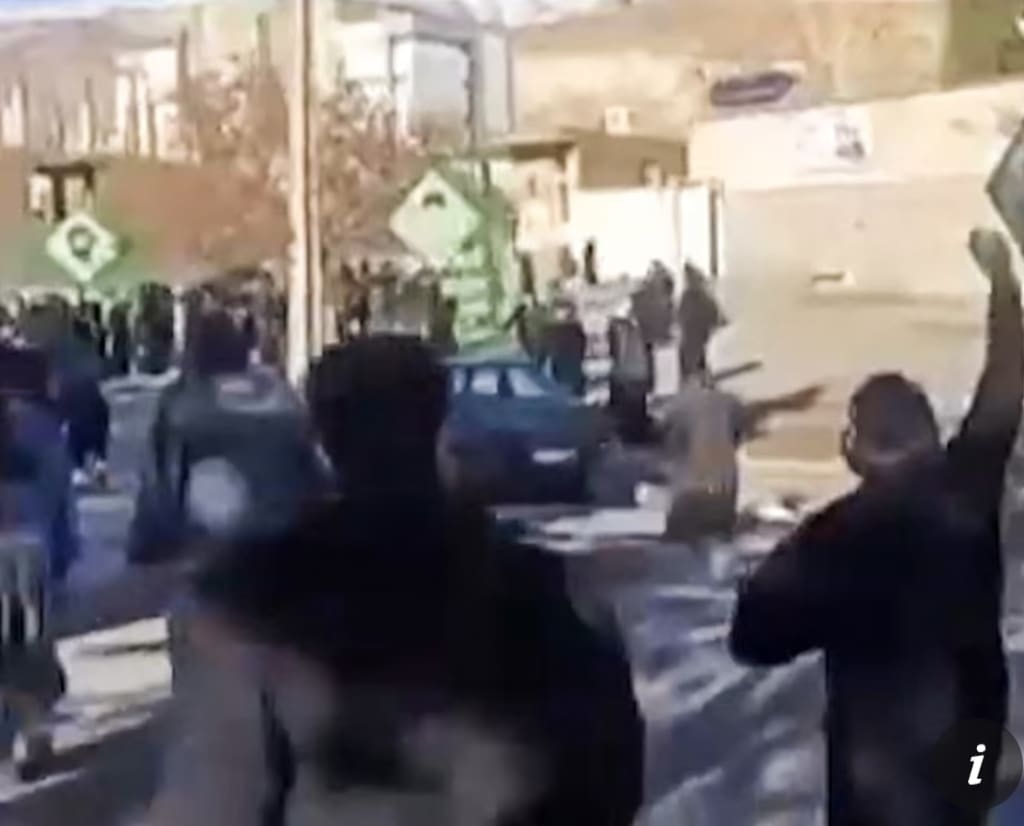
Iran has been shaken by reports that three children have died during recent protests, as security forces face accusations of “indiscriminate targeting” of demonstrators. The deaths have intensified domestic and international concern, transforming what began as political unrest into a profound human tragedy that has reignited questions about accountability, state power, and the cost of dissent.
For many Iranians, the loss of young lives marks a devastating escalation—one that has blurred the line between crowd control and lethal force, and deepened mistrust between citizens and the state.
What Sparked the Latest Protests
The protests erupted amid mounting economic pressure, rising living costs, and long-standing grievances over political freedoms. While demonstrations have occurred periodically across Iran in recent years, the current wave reflects widespread frustration, particularly among young people who feel increasingly excluded from economic opportunity and political participation.
Protesters gathered in several cities, chanting slogans critical of government policies and demanding reform. What began as largely peaceful demonstrations quickly turned tense as security forces moved to disperse crowds.
Authorities have described the protests as unlawful gatherings that threatened public order. Protesters and human rights groups dispute that characterization, arguing that the demonstrations were overwhelmingly civilian in nature.
The Deaths of Children: What Is Known
According to local sources and human rights organizations, three children were killed during protest-related incidents. Details surrounding their deaths remain contested, but reports suggest they were struck by live ammunition or heavy crowd-control weapons.
Families of the victims say the children were not participating in violence and were either bystanders or peaceful demonstrators. Security forces have not publicly confirmed responsibility, stating that investigations are ongoing and warning against what they call “unverified claims.”
The deaths have sparked widespread mourning, with images and names circulating on social media despite heavy restrictions and censorship.
Accusations of Indiscriminate Targeting
Human rights groups have accused Iranian security forces of indiscriminate targeting, alleging that force was used without sufficient distinction between protesters, bystanders, and minors. They argue that the use of live ammunition or high-impact weapons in densely populated areas violates international standards on crowd control.
Organizations monitoring the situation have called for independent investigations, citing patterns from previous protest crackdowns where excessive force allegedly led to civilian deaths.
Iranian officials reject claims of indiscriminate violence, asserting that security forces acted within the law and only responded to threats. They have accused foreign actors of amplifying unrest through misinformation.
The Psychological Impact on a Generation
The deaths of children during protests carry a unique emotional weight. Psychologists and sociologists warn that such incidents can have long-lasting effects on a society, particularly on young people who already feel alienated.
For many Iranian families, the idea that children are no longer safe—even away from political leadership—has heightened fear and anxiety. Schools and universities in affected areas have reported increased distress among students, while parents struggle to reassure children amid uncertainty.
Experts note that when minors become casualties, it often accelerates polarization rather than restoring order.
Domestic Reaction: Grief and Silence
Public reaction inside Iran has been shaped by both grief and constraint. While vigils and expressions of mourning have appeared online, physical gatherings have been limited by security presence and restrictions.
Families of the victims have reportedly faced pressure to remain silent, according to rights groups, though authorities deny any intimidation. In a country where public dissent carries serious risks, mourning itself can become an act of quiet resistance.
State media coverage has been limited, focusing instead on calls for calm and warnings against unrest.
International Condemnation and Calls for Accountability
The deaths have drawn condemnation from international human rights organizations and several foreign governments. Statements have called for restraint, transparency, and independent investigations into the conduct of security forces.
The United Nations has reiterated that children must be protected at all times, including during civil unrest. Officials emphasized that international law requires security forces to use force only as a last resort and in proportion to the threat posed.
Iran’s government has dismissed what it describes as politicized criticism, insisting that domestic matters should not be exploited for international pressure.
A Pattern of Protest and Response
Iran has a long history of protests met with heavy security responses. From economic demonstrations to politically driven movements, past unrest has often ended with arrests, internet shutdowns, and disputed casualty figures.
Critics argue that the repeated cycle of protest and crackdown reflects unresolved structural issues rather than isolated incidents. Supporters of the government counter that firm responses are necessary to maintain national stability in the face of internal and external threats.
The deaths of children, however, have shifted the debate, even among those previously indifferent to political demonstrations.
The Question of Justice
At the heart of the controversy lies a fundamental question: will there be accountability? Families of the victims are demanding answers, while activists warn that without transparent investigations, trust will continue to erode.
Legal experts note that accountability mechanisms within Iran face limitations, particularly when cases involve state security forces. International avenues exist, but their impact is often symbolic rather than judicial.
For grieving families, justice is not an abstract concept—it is the difference between acknowledgment and erasure.
Conclusion: A Line That Cannot Be Ignored
The deaths of three children during Iran’s protests represent a moment that cannot be easily dismissed or forgotten. Accusations of indiscriminate targeting have intensified scrutiny of how dissent is managed—and at what cost.
As protests continue and tensions remain high, Iran faces a critical choice: whether to address the underlying grievances and ensure accountability, or to risk further tragedy and division.
For now, a nation mourns its youngest victims—lives lost not on a battlefield, but amid calls for a better future.
About the Creator
Keep reading
More stories from Aarif Lashari and writers in Unbalanced and other communities.
Zohran Mamdani Is Now Mayor of New York City
Zohran Mamdani’s rise to the mayor’s office of New York City represents more than just a personal political milestone—it signals a potential turning point in how the city approaches housing, public safety, economic inequality, and democratic participation. Long known as a progressive voice in New York politics, Mamdani built his campaign on bold promises and grassroots energy, positioning himself as a champion for working-class New Yorkers in a city increasingly defined by affordability crises and political fatigue.
By Aarif Lashari2 months ago in Unbalanced
‘She is our hero’: Oakland celebrates Alysa Liu after Olympics triumph
Hundreds of cheering supporters filled downtown Oakland this week to honor hometown figure skating sensation Alysa Liu following her extraordinary performance at the 2026 Winter Olympics in Milan, where she won two gold medals — a feat that has captivated fans across the United States and sparked widespread celebration in her home community. Liu, 20, became the first U.S. woman in 24 years to win Olympic gold in individual figure skating at the latest Games, capping her comeback after taking a brief break from the sport to focus on college and personal growth. She also helped Team USA claim gold in the mixed team event, solidifying her status as one of the standout athletes of the Winter Olympics. The celebration, held outside Oakland City Hall in Frank Ogawa Plaza, drew an estimated 5,000 fans, friends and family members who came to applaud Liu’s achievements and recognize her impact on her community. Mayor Barbara Lee presented Liu with the key to the city during an emotional rally, praising her resilience, athletic brilliance and the pride she has brought to The Town. “We celebrate not just her medals,” Lee said, “but her heart, her determination and how she represents the spirit of Oakland.” The crowd erupted at Lee’s words, waving flags, banners and signs that read things like “Oakland’s Olympian” and “Town Pride.” Local musicians and student performers also took the stage, turning the event into a community festival as much as it was an athletic tribute. Unlike traditional parades or motorcades, Liu explicitly wanted a celebration that reflected her personality and her roots. According to reports, she asked for a community‑centered event that would bring people together rather than a large procession, believing it would better capture the culture and diversity of her hometown. Oakland’s connection to Liu goes back years. She trained at the nearby Oakland Ice Center and briefly attended the Oakland School for the Arts, forging bonds with coaches and local skaters who watched her journey from a prodigious youth athlete to a world and Olympic champion. Local residents described the celebration as a moment of unity and inspiration. “She’s one of ours,” said longtime Oakland resident Maria Torres. “Seeing her on the Olympic stage and now here in our city reminds all of us what’s possible when you keep pushing for your dreams.” Others noted that Liu’s return to the sport and her eventual victory had inspired a new generation of young athletes in the Bay Area, especially girls who see themselves in her story. In her brief remarks to the crowd, Liu expressed gratitude for the outpouring of support and spoke about what her journey has meant to her. “Oakland gave me my start,” she said. “Everything I’ve done, every jump and spin I landed, I carry you with me.” She reflected on the intensity of the Olympic experience — from rigorous training and pressure to the joy of standing atop the podium — and acknowledged the community that rallied behind her at every step. The rally also featured appearances from Bay Area personalities, including Grammy‑winning artist Kehlani, who performed to energize the crowd, and other notable figures who emphasized the cultural pride Oakland feels for Liu’s achievements. For many fans in attendance, the celebration was more than a tribute to athletic accomplishment — it was a chance to reaffirm a sense of community and resilience. Oakland has long been known for its rich cultural history and its outsized contributions to arts and sports, and Liu’s success has only amplified that reputation. “I think what Alysa means to Oakland goes beyond skating,” local coach Phillip Hamilton said. “She shows young people here that no matter where you come from, you can compete on the biggest stages in the world and still stay true to who you are.” The celebration unfolded against a backdrop of wider enthusiasm for Liu’s accomplishments. Social media buzzed with congratulatory messages from fans, team members and fellow athletes, while murals and tributes appeared across Oakland in the days following her return. Even local businesses got in on the festivities, with one historic ice cream shop offering Liu “ice cream for life” in recognition of her achievements. Piedmont Exedra As the homecoming event drew to a close, Liu was surrounded by cheering supporters who lingered long after the official program ended, taking photos, sharing stories and celebrating not just a champion, but a symbol of Oakland’s indomitable spirit. With her feet firmly planted on her hometown’s soil, the figure skating hero carried with her not just gold medals, but an enduring legacy of courage, community and pride.
By Fiaz Ahmed 3 days ago in Unbalanced
My Brutally Honest Thoughts About Bryce Harper
The 2026 Major League Baseball regular season is fast approaching and we're here for it. The offseason has been filled with blockbuster trades and attention-grabbing headlines. Will a new World Series champion be crowned? Only time will tell. In this story, I'll be discussing a player who has been on the minds of baseball fans lately. I'm talking about Bryce Harper and why has he been in the news, you ask? In case you didn't know, Phillies General Manager Dave Dombrowski stated that the All-Star needed to do his best to reach the organization's standards. Dombrowski didn't say that Harper was the terrible player, but Harper took Dombrowski's remarks as an attack towards him. Bryce Harper will be entering his 15th season in MLB and will turn 35 in October. What Dombrowski said was facts, because Harper is being paid all of this money and has been struggling at the plate. My theory is that Bryce Harper doesn't like constructive criticism and throws a huge fit about them. He has a reputation of being a hot head. Examples include arguing with umpires about bad calls (yes, most of them had justifiable reasons for him to be upset about them), cursing out Commissioner Rob Manfred last season over a proposed issue while he visited the Phillies clubhouse, and being sometimes rude to reporters. If you've watched any compilation videos of players being ejected or angriest players in MLB, most likely you'll see Bryce Harper in those. Regarding the incident involving the Commissioner, Bryce was in the wrong for cursing out the person in charge of the league. I understood how he felt at the time, but he could've taken the Commissioner to the side and calmly discussed his concerns in private. Also, Bryce should've been the bigger adult and kept his demeanor towards Manfred professional. No matter what your feelings are about Rob Manfred, I believe that all players should have a level of professionalism, whether in the clubhouse or at events. Whether Bryce likes it or not, just like a regular job, he's under evaluation just like every player and everyone else in their respective ball clubs.
By Mark Wesley Pritchard 7 days ago in Unbalanced
My First Time Skiing and I Got Lost, Alone, in the French Alps
Looking back, I can trace some of my life’s biggest adventures to a simple action from my sister. She’d introduced me to Tommy (a very long time ago), a colleague of hers, who had overshared his penchant for Italian-looking women, and I ticked that box.
By Chantal Christie Weiss3 days ago in Humans



Comments
There are no comments for this story
Be the first to respond and start the conversation.