
THE TRANSFORMATION OF WOMEN'S SOCCER IN THE OLYMPICS
Breaking Barriers:The Early Days of Women's Olympic Soccer

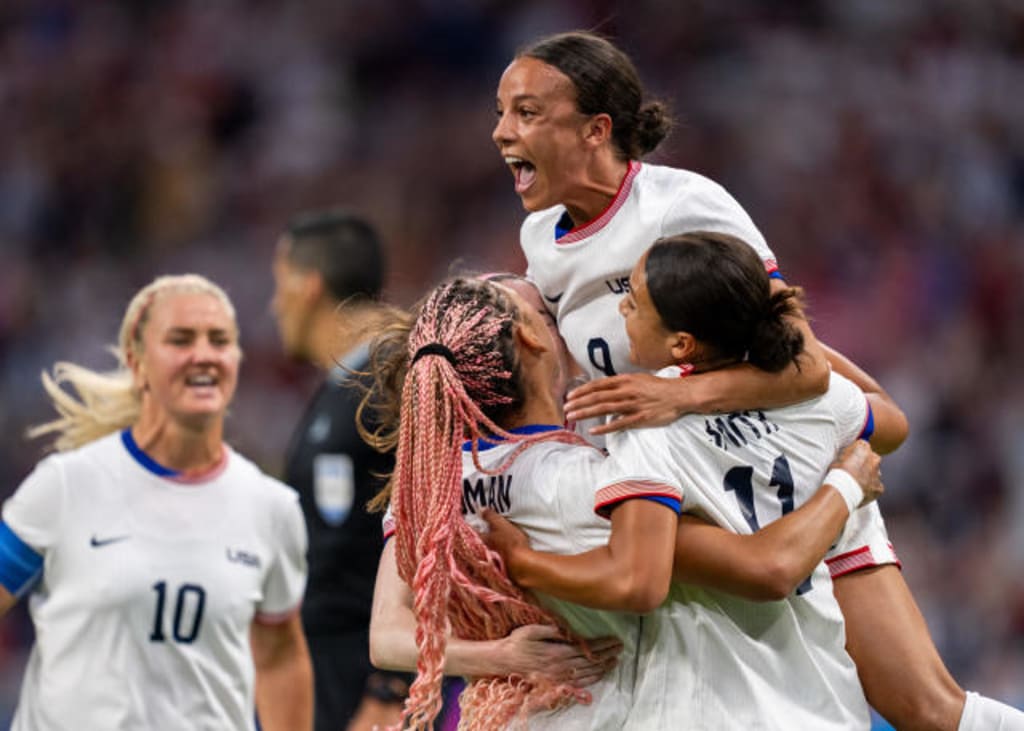
The Transformation of Women's Soccer in the Olympics
Women's soccer in the Olympics has undergone a significant transformation since its inception, evolving from a minor event to one of the most popular and competitive tournaments. This transformation reflects not only the increasing recognition of women’s sports but also the broader societal changes regarding gender equality and women’s empowerment. The journey of women's soccer in the Olympic Games can be divided into several phases, each marked by milestones that have shaped the sport as we know it today.
The Early Days: Struggling for Inclusion
Despite the growing popularity of soccer around the world, women's soccer faced significant challenges in gaining recognition in competitive sporting events. Initially, the Olympic Games had no place for women’s soccer, and the sport was mostly reserved for men. The 20th century saw gradual changes in the participation of women in sports, but it wasn’t until 1991 that women’s soccer was first recognized by FIFA as an official competition with the launch of the first Women’s World Cup in China.
However, it wasn’t until 1996 that women’s soccer was introduced to the Summer Olympics. The International Olympic Committee (IOC) decided to add women’s soccer as an official event at the Atlanta Olympics, recognizing the rapid growth of the sport and the increasing number of countries with competitive women’s soccer teams. The inclusion of women's soccer was a significant step forward for gender equality in sports and marked the beginning of its rise on the global stage.
The First Women’s Soccer Olympic Tournament: Atlanta 1996
The first women’s soccer tournament at the 1996 Atlanta Olympics was a groundbreaking event in many ways. Eight teams from around the world participated, and the United States, which had already established itself as a powerhouse in women’s soccer, took home the gold medal. The U.S. team’s victory was a historic moment for women’s soccer, setting the stage for the future growth of the sport.
The 1996 Olympics also showcased the increasing skill level and athleticism of women soccer players, breaking stereotypes about women’s abilities in the sport. With talented players like Mia Hamm, Kristine Lilly, and Julie Foudy leading the U.S. team, the tournament captured the attention of soccer fans worldwide. The success of the U.S. women’s team at the Atlanta Games helped lay the foundation for the future of women’s soccer, both at the Olympics and in global competitions like the FIFA Women’s World Cup.
Continued Growth and Global Expansion
Following the success of the 1996 Olympics, women’s soccer continued to gain momentum. The IOC’s decision to include women’s soccer in the Olympics served as a catalyst for the development of the sport, particularly in countries that had not traditionally been strong in women’s soccer.
At the 2000 Sydney Olympics, the competition expanded, with more teams and better overall play. Norway won the gold medal, defeating the United States in the final, signaling that the U.S. team was no longer the undisputed leader in women’s soccer. The growing competitiveness of the tournament highlighted how the global landscape of women’s soccer was evolving, with countries like Germany, Brazil, and Norway emerging as major contenders.
Over the years, the women’s Olympic soccer tournament has continued to evolve. The level of play has become more sophisticated, and the number of participating teams has increased, reflecting the growing global interest in women’s soccer. In the 2016 Rio Olympics, the tournament featured 12 teams, and it was clear that the competition had become more unpredictable and competitive.
The Rise of Women's Soccer in the Olympics: 2012 and Beyond
The 2012 London Olympics marked a significant turning point in the development of women’s soccer. The tournament saw the United States regain dominance, winning the gold medal after a dramatic final against Japan. This victory was especially significant because Japan’s silver medal reflected the progress that Asian teams had made in women’s soccer. It was a clear sign that the sport was becoming more global, with strong teams emerging from different continents.
In the 2016 Olympics, the tournament saw another shift. Germany claimed the gold medal, defeating Sweden in the final. This was a landmark achievement for German women’s soccer, adding to the nation’s growing reputation in international women’s sports. At the same time, the tournament continued to feature thrilling matches and showcase the growing technical sophistication of women’s soccer.
The 2020 Tokyo Olympics, delayed to 2021 due to the COVID-19 pandemic, was another testament to the transformation of women’s soccer. The competition was more competitive than ever, with teams like Sweden, Canada, and the United States showing their strength. Canada claimed its first-ever Olympic gold medal in women’s soccer, defeating Sweden in a penalty shootout. This victory not only marked a historic moment for Canada but also underscored the unpredictable nature and high level of competition in women’s Olympic soccer.
The Future of Women’s Soccer in the Olympics
Looking to the future, women’s soccer in the Olympics is poised to continue its rise. As more countries invest in the development of women’s soccer, the level of play will only increase. The competition is becoming more global, and as we have seen in recent tournaments, teams from all over the world now have the talent and skill to compete at the highest levels.
Additionally, the continued growth of professional women’s soccer leagues around the world will help provide the athletes with the training and resources necessary to succeed in Olympic competitions. As more visibility is given to the sport, and with increased media coverage, women’s soccer will continue to inspire the next generation of players.
Conclusion
The transformation of women’s soccer in the Olympics reflects broader social changes, with women’s sports gaining more recognition and respect. From its humble beginnings in 1996 to the modern-day global competition, women’s soccer has become a symbol of empowerment, athleticism, and resilience. As the sport continues to evolve, the Olympic Games will remain a critical stage for showcasing the talents of women soccer players, inspiring future generations, and promoting equality in the world of sports.
About the Creator
Badhan Sen
Myself Badhan, I am a professional writer.I like to share some stories with my friends.
Keep reading
More stories from Badhan Sen and writers in Unbalanced and other communities.
THE TRIUMPHANT COMEBACK OF MARTINA NAVRATILOVA IN THE OLYMPICS
The Triumphant Comeback of Martina Navratilova in the Olympics Martina Navratilova is widely regarded as one of the greatest tennis players of all time, not just for her dominance on the court, but also for her resilience and ability to bounce back from challenges. One of the most memorable chapters of her career was her triumphant return to Olympic tennis. Though her Olympic history was marked by ups and downs, Navratilova’s comeback was a testament to her enduring talent, determination, and love for the game.
By Badhan Senabout a year ago in Unbalanced
Wild Card Weekend Recap: What Happens Now?
I think I figured out why I love Wild Card Weekend so much. It's because it's the first playoff anything of the calendar year. The NFL season starts in the fall, and once upon a time, the champion was crowned either on or slightly before New Year's. The evolution of the NFL schedule has resulted in the playoffs starting just into the New Year, and currently, the final week of the season falls on the first weekend of the New Year, with Wild Card Weekend coming a week after that. So yes, chronologically, the NFL's Wild Card Weekend serves as the first playoff anything of the calendar year.
By Clyde E. Dawkins7 days ago in Unbalanced
Rolland Courbis: A Defining Voice in French Football Management
Rolland Courbis is a name that evokes strong reactions in French football. To some, he is a sharp tactician and fearless leader; to others, a controversial figure whose career has been marked by both success and turbulence. Regardless of opinion, Courbis remains one of the most influential and recognizable personalities in France’s football landscape, known for his managerial stints, media presence, and uncompromising honesty.
By Asad Ali7 days ago in Unbalanced
Silver Screen Magic with Mae West
American actress and singer Mae West became a popular film actress during the Great Depression. She started entertaining in vaudeville, then performed on Broadway, and finally went to Hollywood. She signed up with Paramount Pictures and made her debut in the 1932 film “Night After Night.” She also starred in musicals, comedies, and crime dramas. The American Film Institute named her one of the best classic Hollywood actresses.
By Rasma Raisters6 days ago in Geeks




Comments (1)
Women's Soccer is quite the game and exciting too. Great article.