
Ultimate Guide: How to Save More Money Without Earning More
Simple shifts in spending, habits, and mindset that protect your wallet without increasing your income

Ultimate Guide: How to Save More Money Without Earning More
Simple shifts in spending, habits, and mindset that protect your wallet without increasing your income
Introduction
Let’s face it, not everyone can just pick up a side hustle or ask for a raise. Sometimes, the best way to improve your financial situation isn’t about making more, but about keeping more of what you already have. And the truth is, there are small, clever changes anyone can make to spend smarter, live better, and save consistently, even without a bump in pay.
This guide is not about deprivation. It’s about being intentional. Whether you’re trying to pay off debt, build savings, or just feel more in control of your money, this is your roadmap to doing more with what you’ve got.
1. Start by Tracking Every Pound
You can’t manage what you don’t measure. Before making changes, spend at least a week writing down everything you spend, from rent to snacks. You’ll be surprised how many small leaks are silently draining your budget.
Use a notebook, your phone’s notes app, or a budgeting spreadsheet. The method doesn’t matter as much as consistency. Once you see the numbers in black and white, you’ll be better equipped to make informed decisions.
2. Embrace the Art of Meal Planning
Food is one of the biggest hidden money pits. Spontaneous takeaways, mid-week grocery top-ups, and buying what looks good rather than what you need all add up.
Try planning your meals weekly. Base your meals around what’s already in your cupboard or fridge. Shop with a list, and never when hungry. Stick to whole ingredients instead of pre-packaged meals, not only are they healthier, but they’re usually cheaper too.
3. Use the “Wait 48 Hours” Rule
Impulse buys are the enemy of smart saving. That cute top, the latest gadget, or that tempting online deal can feel urgent. But more often than not, it’s temporary excitement.
Train yourself to wait 48 hours before making any non-essential purchase. If you still want it after two days, and can afford it, then go ahead. But chances are, the urge will pass.
4. Cancel Subscriptions You Don’t Truly Use
Take a look at your bank statements. You might be paying for streaming services, fitness apps, or premium memberships you forgot you even had. Monthly subscriptions are sneaky because they feel small, but together they can eat up a chunk of your budget.
Ask yourself: Do I use this weekly? If not, cancel it. You can always re-subscribe if you miss it.
5. Create a “No-Spend” Day (or Week)
Set aside one day each week where you spend nothing, no coffee runs, no online shopping, no extras. This mini financial detox can be surprisingly powerful.
Want to take it further? Try a full no-spend week or even a month. These challenges not only save money but help reset your relationship with spending.
6. Automate Your Savings First
Most people save whatever’s left at the end of the month. Spoiler: there’s often nothing left. Instead, flip the script. Treat your savings like a bill and “pay yourself first.”
Set up a standing order to move a portion of your income into savings right when you get paid. Start small if needed, even $10 a week adds up over time.
7. Use Cash for Non-Essentials
Using physical cash creates a tangible connection to your spending. Withdraw your “fun money” for the week in cash and once it’s gone, it’s gone.
This method, often called the envelope system, curbs overspending and helps you appreciate what you buy more.
8. Unsubscribe from Temptation
Your inbox is probably filled with sales, discounts, and offers, all tempting you to buy things you don’t need. The solution? Unsubscribe.
Removing these digital triggers can dramatically cut down on mindless shopping and help you focus on your actual needs.
9. Repair Before You Replace
In today’s throwaway culture, we often replace things that could be fixed. A button falls off, a zip breaks, a shoe scuffs, and we’re reaching for our wallets.
Get into the habit of repairing what you already own. You’ll save money, reduce waste, and possibly develop some handy DIY skills along the way.
10. Rethink Your Transportation
Owning and running a car is one of the biggest expenses for many households. If you live in an area with decent public transport or walkable amenities, consider cutting back on car use.
Even if giving up your car isn’t realistic, carpooling, cycling, or bundling errands into one trip can reduce fuel costs and wear and tear.
11. Master the Free Fun
Fun doesn’t have to be expensive. Swap pricey nights out for potlucks with friends, explore free local events, or rediscover your local library or walking trails.
Building a life you enjoy without spending money every time makes saving feel less like sacrifice and more like a shift in perspective.
12. Set Micro-Goals That Motivate You
Saving money without a purpose can feel dull. Create specific goals, like a weekend getaway, emergency fund, or paying off a debt, and break them into bite-sized targets.
Tracking progress keeps you motivated and makes the saving process more meaningful.
13. Avoid Lifestyle Creep
As your income rises, it’s tempting to upgrade everything. But if every pay rise leads to higher spending, you’re not actually getting ahead.
Be intentional about which upgrades actually improve your life and which are just “because I can”. Stick to your savings goals even as your income grows.
14. Learn to Say “No”
FOMO (fear of missing out) can be expensive. Whether it’s a dinner invite, group trip, or retail therapy session with friends, it’s okay to say no.
True friends will understand. And you’ll thank yourself later for staying on track.
15. Practice Gratitude for What You Have
This might sound airy-fairy, but it’s powerful. When you appreciate what you already have, you stop chasing the next thing to feel happy.
Gratitude turns contentment into a form of wealth. And that mindset shift can keep you grounded when temptation comes knocking.
Conclusion: Saving is About Power, Not Punishment
Saving money without earning more isn’t about being cheap. It’s about taking control. It’s about telling your money where to go instead of wondering where it went.
You don’t need a huge income to make a big impact on your finances. Just a few changes, made consistently, can shift your future in ways you never imagined.
So, start with one step today. The future you will be very grateful.
About the Creator
Mutonga Kamau
Mutonga Kamau, founder of Mutonga Kamau & Associates, writes on relationships, sports, health, and society. Passionate about insights and engagement, he blends expertise with thoughtful storytelling to inspire meaningful conversations.
Keep reading
More stories from Mutonga Kamau and writers in Trader and other communities.
Best Stock Market Games in 2026: Free & Realistic Simulators
Learning how to invest in the stock market can feel intimidating, especially for beginners. Watching stock prices fluctuate, understanding market trends, and figuring out how to build a profitable portfolio can be overwhelming. Thankfully, stock market games have become a fun and risk-free way to learn investing. In 2026, several free and realistic simulators offer players the chance to practice trading, test strategies, and gain confidence without putting real money at risk.
By Micheal Turner6 days ago in Trader
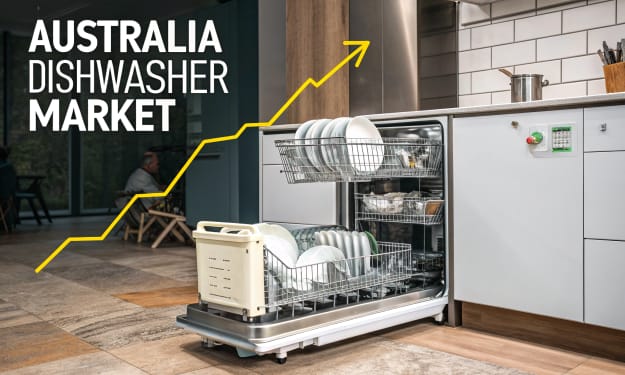
Australia Dishwasher Market Set to More Than Double by 2034 on Rising Demand for Convenience & Sustainability
In 2025, the Australia dishwasher market was valued at USD 281.2 million. According to IMARC Group, the market is expected to reach USD 601.2 million by 2034, exhibiting a compound annual growth rate (CAGR) of 8.81% over 2026–2034 as consumers increasingly adopt dishwashers for convenience, efficiency and modern living standards.
By Rashi Sharma5 days ago in Trader



Comments
There are no comments for this story
Be the first to respond and start the conversation.