
Australia Agility Training Equipment Market: Fitness Trends, Sports Performance & Growing Health Awareness
How rising fitness participation, diversified sports training and facility investments are driving demand for agility training equipment in Australia

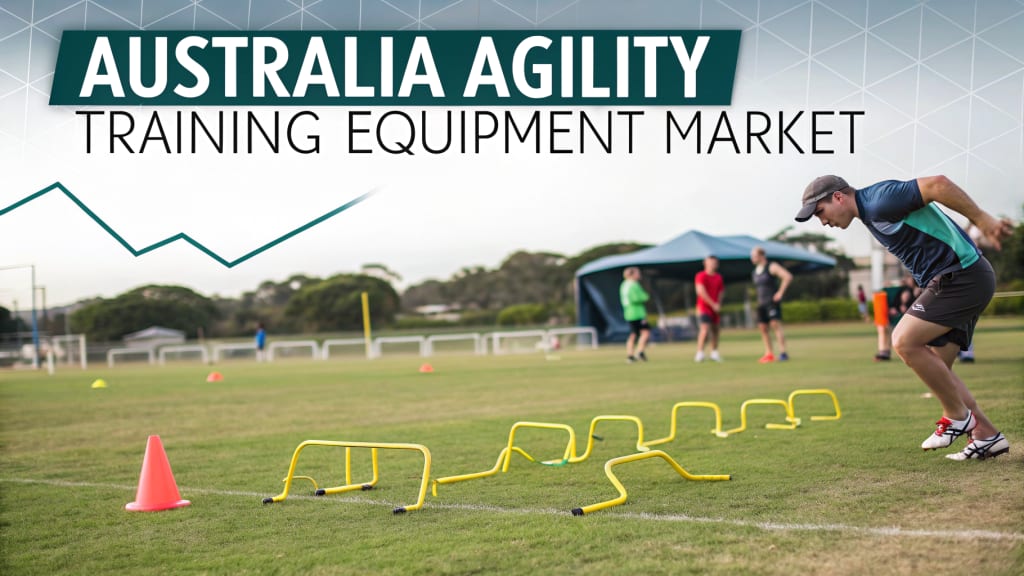
The Australia agility training equipment market is seeing steady expansion as fitness enthusiasts, sports teams, rehabilitation centres and athletes increasingly emphasise performance, speed and functional strength. According to market data, the market size reached USD 168.01 Million in 2025 and is projected to grow to USD 208.87 Million by 2034, exhibiting a CAGR of 2.45% during 2026–2034. Agility training equipment includes ladders, cones, hurdles, resistance bands, speed rings, balance trainers, plyometric boxes and multifunctional training gear used across fitness, sports and rehabilitation settings.
Agility training has evolved from traditional sports drills into mainstream fitness routines as consumers seek dynamic, performance-enhancing workouts. Powered by heightened health awareness, diversified training preferences and investments in sports infrastructure, demand for dedicated agility tools is on the rise.
What’s Driving Market Growth?
Emphasizing Sports Performance and Youth Training, Australia boasts a vibrant sports culture that prioritizes agility, coordination, and athletic performance in football codes, rugby, netball, athletics, and various competitive fields. Athletes, coaches, and trainers are progressively integrating agility exercises into their conditioning routines, increasing the need for high-quality training gear.
Emergence of Functional Fitness & Group Sessions Functional fitness trends — such as HIIT, circuit workouts, boot camps, and group exercise classes — incorporate agility elements to improve speed, balance, footwork, and proprioception. Fitness centers and personal trainers are incorporating specialized equipment into class formats to attract a variety of clients.
Health & Wellness Awareness Consumers are more conscious of holistic fitness outcomes such as speed, endurance, flexibility and injury prevention. Agility training equipment supports dynamic movement patterns that align with overall wellness goals, encouraging participation across demographics including adults, youth and older fitness segments.
Expansion of Fitness Facilities and Clubs Growth in the number of gyms, health clubs, sports academies and rehabilitation clinics has strengthened the fitness ecosystem in Australia. These facilities are investing in specialised agility tools and multi-functional training spaces to attract members seeking advanced performance options.
Market Segmentation & Key Insights
By Product Type: The market includes agility ladders, cones and markers, hurdles, speed rings, resistance bands, balance trainers, plyometric platforms and multi-functional agility systems. Agility ladders and cones lead sales due to their low cost, ease of use and versatility across training levels.
By End User: End users span fitness centres and gyms, sports teams and academies, personal trainers, home fitness consumers and rehabilitation centres. Fitness centres and sports teams account for the largest share due to regular, high-volume usage.
By Distribution Channel: Agility training equipment is distributed through specialty fitness stores, sports equipment retailers, e-commerce platforms, direct gym supply contracts and online marketplaces. E-commerce channels are growing fastest due to convenience, wide product assortments and digital marketing reach.
What the Opportunities Are?
Integration with Digital Fitness Solutions There is strong potential to pair agility equipment with digital training apps, virtual coaching platforms and performance tracking software. Smart integration enhances user engagement and supports personalised training pathways.
Focus on Youth and Grassroots Sports Programs Partnering with schools, community sports programmes and local clubs can expand adoption of agility equipment at earlier stages of athletic development — building lifelong fitness habits and brand reach.
Product Innovation & Modular Systems Developing multi-functional, space-saving and adjustable agility systems can appeal to both professional and home users who seek versatility and long-term usage.
Online Retail Expansion & Subscription Boxes Direct-to-consumer (D2C) offerings and curated fitness kits — including agility training packages — can attract home fitness enthusiasts and cultivate recurring revenue through subscription boxes.
Corporate & Rehabilitation Markets Facilities catering to corporate wellness, physiotherapy and injury rehabilitation present opportunities for tailored equipment packages that support coordination, balance retraining and functional movement improvement.
Recent News and Developments in Australia Agility Training Equipment Market
Jul 2025: Several fitness equipment suppliers expanded their product portfolios with advanced agility kits and modular training systems designed for mixed-use fitness facilities, signalling manufacturer confidence in long-term demand growth.
Aug 2025: Sports academies and professional training programs reported increased integration of agility drills into youth development curricula, reflecting broader participation trends and performance coaching emphasis.
Oct 2025: E-commerce platforms observed a year-on-year uptick in online agility equipment sales, attributed to digital fitness challenges and home workout trends that continued to influence purchasing behaviours beyond traditional gym settings.
Why Should You Know About Australia Agility Training Equipment Market?
This market is important to understand as it showcases the changing fitness priorities, the requirements of athletic performance, and the lifestyle health habits within Australia’s active community. Agility training hasn't just been reserved for competitive athletes; it is now a common part of functional fitness, rehabilitation, youth sports training, and home exercise programs.
The agility equipment market presents investors with access to consistent growth, fueled by continual engagement in sports, increasing fitness club memberships, and persistent enthusiasm for active living. Although the anticipated CAGR indicates slow growth, this steadiness demonstrates ongoing demand across various demographic groups and regular hardware upgrade intervals.
For fitness professionals, gym owners, and equipment manufacturers, understanding market dynamics helps guide procurement, product development and distribution strategies. As training preferences shift toward performance-driven and multi-functional workout formats, agility equipment stands as a key enabler of speed, coordination and movement quality across diverse training environments.
About the Creator
Thomas
Market Research Analyst | Industry Trends & Forecasting | Turning market data into clear, actionable business insights across global sectors.



Comments
There are no comments for this story
Be the first to respond and start the conversation.