
Trading in the Zone: Mastering the Mental Game of Trading
A powerful summary of Mark Douglas's timeless insights into the psychology of successful trading.
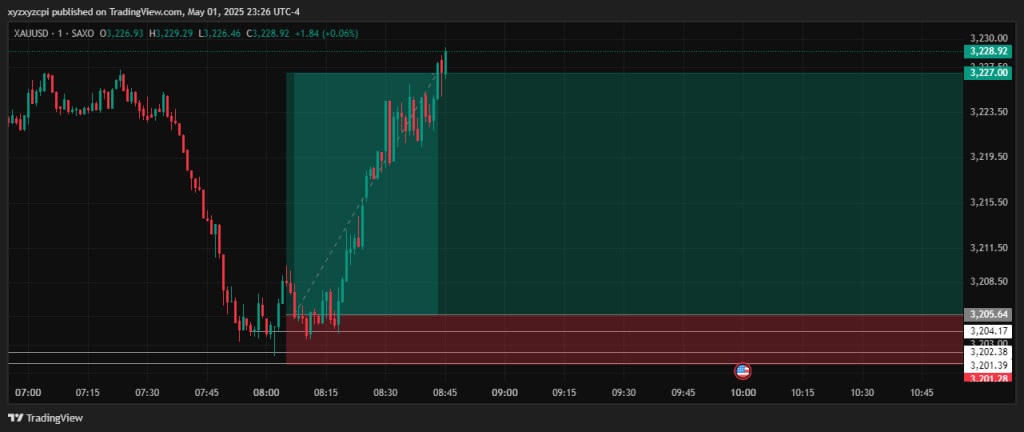
When people think of trading, they often imagine reading charts, spotting signals, and cashing in profits. But according to Mark Douglas, the real game isn’t on the screen — it’s in your mind.
What Is Trading Really About?
At its core, trading is a psychological battle. You're not just analyzing setups or watching price action — you're constantly wrestling with your own emotions: fear, greed, doubt, and hope.
You could have the best technical strategy in the world, but if your mindset isn’t prepared, you’ll repeat the same mistakes. Getting out of trades too early, holding onto losers for too long, or making impulsive decisions — these aren’t strategy issues, they’re mental ones.
Fear and Hope: The Trader’s Biggest Enemies
Fear and hope may seem like harmless emotions, but in trading, they can be devastating.
Fear makes you hesitate when you should act, pushing you away from high-probability trades. Hope, on the other hand, convinces you to hold on to losing trades longer than you should, clinging to the belief they’ll turn around — even when all signs say otherwise.
Douglas argues that unless you learn to recognize and manage these emotions, consistency will always be out of reach.
Embracing Probabilities
One of the hardest truths traders must accept is that no setup is guaranteed. Trading is a game of probabilities, not certainties.
If you place ten trades and win four to six of them, that’s a solid performance. But many traders go in expecting to win every trade. That kind of unrealistic thinking only leads to frustration, revenge trading, and eventually — burnout.
What Is an Edge?
An edge is your statistical advantage in the market — not a magic formula for guaranteed wins.
Imagine you have a breakout strategy with a 60% success rate. That 60% is your edge. But if you abandon your system after one loss, you’re not giving your edge time to play out.
The key is patience and discipline. Trust your process, and let your edge work over time.
Random Outcomes Are Part of the Game
Here’s a hard pill to swallow: every single trade outcome is random. You might do everything right and still lose money. That doesn’t mean your strategy is broken — it’s just the nature of the game.
Trying to force every trade to be a winner will only wear you down mentally. The best traders accept that uncertainty is part of the process. They focus on what they can control: preparation, discipline, and execution.
Mental Balance Is Everything
Great traders aren’t just skilled — they’re emotionally balanced. They don’t fall apart after a loss or get overly confident after a win.
Instead of aiming to win every trade, they aim to stay consistent, calm, and in control. Once you take full responsibility for your trades — win or lose — you free yourself from emotional baggage. That’s when you really start to grow.
Execution Over Prediction
Many traders fall into the trap of trying to predict the market. But Mark Douglas makes it clear: prediction is not the goal.
Success in trading comes from flawless execution. Know your entry and exit points ahead of time. Stick to them. Execute without hesitation.
Even the best system will fail if you don’t execute properly. So stop guessing — start following your plan.
What Does It Mean to Be “In the Zone”?
Being "in the zone" means trading in a mental state free of fear, greed, and hesitation. It’s when you fully accept the risks and approach each trade with calm confidence.
You’re not overthinking. You’re not second-guessing. You’re simply following your plan with discipline and mental clarity.
To reach this state, you must build three core skills: trust, discipline, and emotional control.
Final Thoughts
Trading in the Zone isn’t just another trading book — it’s a mindset manual. It teaches us that the real challenge isn’t the market, but ourselves.
Until you learn to manage your emotions — fear, hope, greed, and doubt — you’ll never find consistency. But once you do, everything changes.
Mark Douglas said it best:
“Each trade is unique. Outcomes are random. But your mental control is entirely in your hands.”
If you’re serious about trading, this book will transform how you think, act, and perform in the markets. More than strategies or signals, it’s about mastering yourself. And that’s what separates amateurs from professionals
About the Creator
Keep reading
More stories from writers in Trader and other communities.
Australia General Insurance Market Set for Strong Growth Amid Digital Innovation and Climate Risks
The Australia General Insurance Market continues to expand significantly as insurers navigate complex risk environments, pricing pressures, and digital transformation.
By Rashi Sharma2 days ago in Trader


Comments
There are no comments for this story
Be the first to respond and start the conversation.