
Philippines Glamping Market: Experiential Travel, Nature Tourism & Premium Outdoor Stays
How rising experiential traveler demand, sustainable tourism trends and unique accommodations are driving the glamping sector in the Philippines

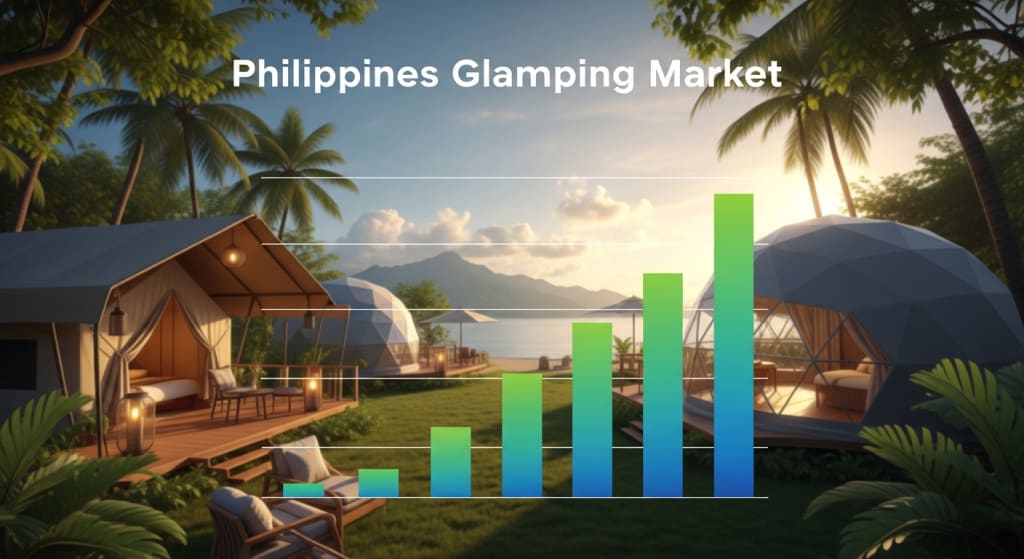
The Philippines glamping market is progressing rapidly as travelers increasingly seek immersive and upscale outdoor experiences that merge nature exploration with comfort and luxury. According to market estimates, the market size reached USD 72.00 Million in 2025 and is projected to grow to USD 186.13 Million by 2034, exhibiting a robust CAGR of 11.13% during 2026–2034. Glamping — short for “glamorous camping” — combines the adventure of outdoor living with high-end amenities, eco-friendly design and aesthetic surroundings, making it attractive to leisure travelers, adventure enthusiasts and wellness seekers alike.
As tourism revives post-pandemic and domestic as well as international travel resumes momentum, the Philippines has emerged as a promising destination for glamping due to its diverse natural landscapes, tropical climate, island settings and cultural experiences. Glamping appeals to travelers seeking differentiated tourism products that break from traditional hotel stays while offering safety, comfort and Instagram-worthy environments.
What’s Driving Market Growth?
Experiential and Nature-Centered Travel Trends Contemporary travelers are placing greater emphasis on experiences rather than material goods. Instead of traditional hotel accommodations, numerous travelers today look for experiences that engage them with nature, culture, and local communities. Glamping provides a distinct opportunity to enjoy forest reserves, mountain ridges, beach spots, rice terraces, and wildlife environments alongside thoughtfully selected luxury features.
Recovery of Domestic Tourism Domestic travel in the Philippines has increased significantly as Filipinos explore local sites, pursue wellness retreats, and enjoy longer vacation trips. Glamping locations — typically situated in picturesque, quieter areas — offer an appealing choice for staycations, extended weekend escapes, and socially distanced vacations, especially for city residents.
Sustainable & Eco-Tourism Preferences Sustainability and eco-friendly travel preferences are shaping tourism demand. Many glamping operators in the Philippines emphasise low-impact structures, waste-reduction practices, renewable energy integration and nature-centric activities, appealing to conscious travelers who prioritise sustainability without sacrificing comfort.
Diverse Destination Appeal The Philippines offers a wide range of potential glamping sites across islands such as Palawan, Cebu, Bohol, Siargao and Luzon highlands. Each region provides unique outdoor experiences — from beach vistas and coral reef exploration to jungle treks and elevated hilltop views — allowing operators to tailor glamping themes for different market segments.
Market Segmentation & Key Insights
By Accommodation Type The market includes luxury tents, eco-pods, treehouses, yurts, container glamping units, nature lodges and overwater units. Luxury tents and eco-pods are among the most popular due to their balance of comfort, modularity and scenic integration.
By Traveler Profile Glamping attracts leisure travelers, couples on romantic getaways, families seeking outdoor bonding experiences, solo adventure travelers and wellness travelers. Couples and family groups dominate demand due to the experiential nature and photo-friendly settings.
By Booking Channel Glamping reservations are made through travel agencies, direct operator websites, online travel platforms, vacation rental apps, and social media promotions. Online channels, especially OTA platforms and curated travel marketplaces, are expanding reach and convenience for busy travelers.
What the Opportunities Are?
Integration with Eco-Experiences & Tours Connecting glamping stays with sustainable tours, guided treks, cultural immersions, local food experiences and wellness programmes can enrich travel packages and promote longer stays, higher spend and memorable experiences.
Wellness & Retreat Offerings Adding wellness elements — such as yoga retreats, nature meditation, spa services, holistic health programmes and farm-to-table dining — can attract health-focused travelers and elevate glamping beyond simple lodgings toward holistic tourism offerings.
Upscale & Themed Glamping Concepts There is potential for themed glamping camps — such as adventure camps, wellness glamping, stargazing sites, creative artist retreats and culinary glamping — to appeal to niche traveler segments and leverage differentiated experiences.
Partnerships with Local Communities Working with indigenous communities, local guides and cultural artisans can enrich traveler experiences while supporting community livelihoods. Glamping operators can offer authentic activities like craft workshops, native food tastings and cultural storytelling.
Tiered & Seasonal Pricing Strategies Implementing tiered pricing models and seasonal promotions helps optimise occupancy during peak and off-peak periods, driving consistent revenue while providing travelers with attractive options.
Recent News and Developments in Philippines Glamping Market
Jul 2025: Several new glamping sites opened in scenic locations — including beach-fringe nature retreats and forest canopy pods — attracting travelers seeking off-beat and private travel alternatives.
Aug 2025: Online travel platforms reported a significant increase in glamping bookings during peak holiday seasons, highlighting strong consumer interest in experiential travel formats and outdoor luxury stays.
Oct 2025: Tourism events and sustainability forums emphasised glamping as a key growth area for eco-tourism development, encouraging regional tourism boards to incorporate glamping infrastructure in destination planning.
Why Should You Know About Philippines Glamping Market?
This market is important to understand as it illustrates how tourism habits, lifestyle preferences, and value-focused travel decisions are changing travel markets in the Philippines. Glamping is more than just a different accommodation choice — it signifies a larger transformation towards travel that is meaningful, connected to nature, and rich in experiences.
For investors, the glamping sector provides access to rapidly growing tourism niches that capitalize on experiential demand, sustainability trends, varied travel itineraries, and digital interaction. The significant anticipated CAGR of 11.13% shows market excitement and increasing global demand for alternative tourism options.
For tourism operators, hospitality professionals and destination planners, understanding glamping dynamics helps in crafting differentiated offerings, enhancing traveler satisfaction, and tapping into segments like wellness tourism, family travel and eco-friendly vacations. As consumer expectations evolve, glamping stands out as an innovative and compelling sub-sector within the broader travel and hospitality ecosystem in the Philippines.
About the Creator
Thomas
Market Research Analyst | Industry Trends & Forecasting | Turning market data into clear, actionable business insights across global sectors.
John Mueller’s Guide to SEO Blog Writing for AI and Search Visibility
How search engines work is crucial for any blogger or business owner. SEO blog writing John Mueller emphasizes is not just about stuffing keywords but creating meaningful content that resonates with readers while remaining visible to AI and search engines.
By Safdar meykaabout 6 hours ago in Trader
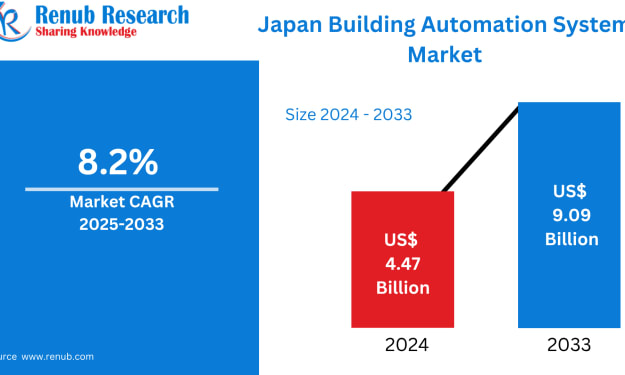
Japan Building Automation Systems Market Size and Forecast 2025–2033
Introduction Japan is undergoing a profound transformation in the way its buildings are designed, managed, and operated. From skyscrapers in Tokyo to manufacturing hubs in Aichi and logistics centers in Chiba, the demand for smarter, more energy-efficient, and digitally connected infrastructure is accelerating. At the center of this transformation lies the Building Automation Systems (BAS) market, which integrates mechanical, electrical, and electromechanical services into a centralized, intelligent control framework.
By Marthan Sir5 days ago in Trader
How, Too
Many people wonder how, too. You are not alone, and I am an expert. I will teach you how, too! First, you need to remit a small application fee and fill out an application describing the nature of your financial situation and how often payments will be made, as this will have great bearing on how well I teach you how, too.
By Harper Lewis4 days ago in Fiction



Comments
There are no comments for this story
Be the first to respond and start the conversation.