
Top 8 Features to Look for in a Computer Room Raised Floor
Top 8 Features to Look for in a Computer Room Raised Floor

Introduction
A raised flooring system is a crucial component in modern computer rooms and data centers. It enhances functionality, improves cable management, and ensures optimal cooling and airflow. When selecting a raised floor for your computer room, it is essential to consider specific features that enhance performance, efficiency, and longevity. In this article, we will explore the top eight features to look for in a computer room raised floor to help you make an informed decision.
1. Load-Bearing Capacity
Computer rooms house heavy equipment, including servers, networking devices, and storage units. A raised floor must have a sufficient load-bearing capacity to support these devices without sagging or failing over time.
- Choose flooring with a high static load rating to support stationary equipment.
- Opt for a floor with a strong rolling load capacity to handle moving racks or trolleys.
- Consider structural integrity to ensure the floor can withstand daily operations without damage.
2. Efficient Cable Management
A well-organized cable management system is essential for reducing clutter and preventing overheating in computer rooms.
- Raised floors should offer ample space for underfloor cabling to keep power and data cables neatly arranged.
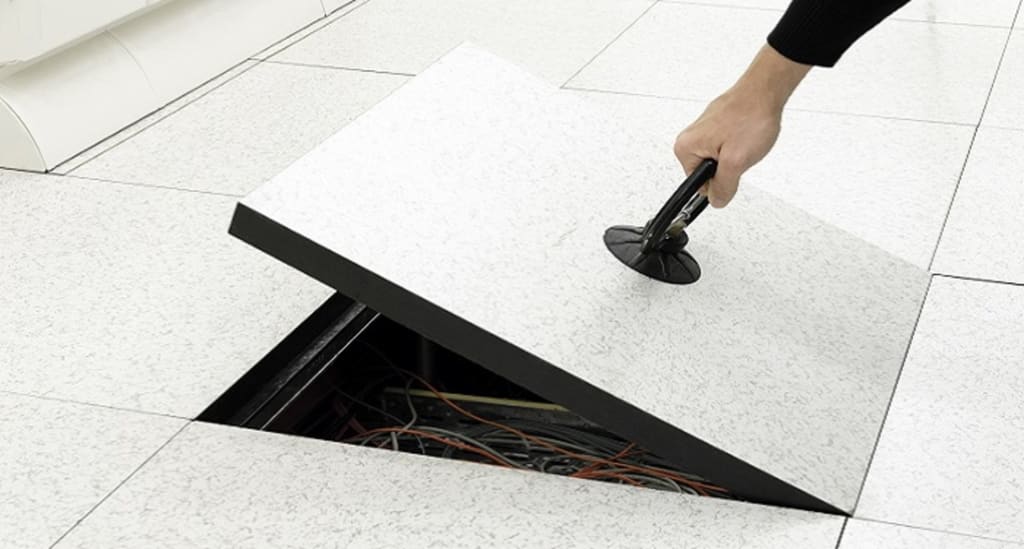
- Opt for flooring with removable panels to allow easy access to cables for maintenance.
- Ensure that the system supports proper grounding and shielding to prevent electrical interference.
3. Optimized Airflow and Cooling
Temperature control is critical in computer rooms to prevent equipment overheating and ensure efficient performance.
- Look for perforated floor panels that allow for strategic airflow distribution.
- Choose a raised floor system that supports hot and cold aisle containment to improve energy efficiency.
- Ensure that the floor accommodates air conditioning systems to maintain optimal cooling.
4. Anti-Static and Conductive Properties
Static electricity can damage sensitive computer equipment, making anti-static properties a must-have feature in raised flooring.
- Electrostatic discharge (ESD) protection should be built into the surface material.
- Choose floors with conductive properties to dissipate static electricity safely.
- Verify that the flooring meets industry standards for anti-static performance to prevent data loss or hardware damage.
5. Modular and Flexible Design
A modular raised floor system provides flexibility for future expansion and reconfiguration as computer room needs change.
- Look for flooring with interchangeable panels to allow for easy modifications.
- Opt for adjustable pedestals to accommodate different heights and configurations.
- Choose a system that allows for quick installation and replacement of damaged or outdated panels.
6. Durability and Longevity
Investing in a durable raised flooring system ensures long-term performance and cost savings by reducing the need for frequent replacements.
- Select materials such as steel, aluminum, or high-pressure laminate that can withstand wear and tear.
- Ensure that the flooring system is resistant to moisture and corrosion to prevent degradation over time.
- Choose a system with warranty coverage to guarantee longevity and reliability.
7. Fire-Resistant Properties
Fire safety is a top priority in computer rooms, as electronic equipment is highly susceptible to fire hazards.
- Ensure that the raised floor system meets fire-resistant standards to slow down the spread of flames.
- Look for flooring with low smoke emission to reduce the risk of damage and health hazards.
- Verify that the materials used are certified for fire resistance by relevant safety organizations.
8. Ease of Maintenance and Accessibility
Routine maintenance is essential for ensuring optimal computer room performance, and raised floors should facilitate easy access to critical systems.
- Opt for a flooring system with lightweight, removable panels to allow quick inspections and repairs.
- Choose a design that minimizes dust accumulation to keep equipment clean and functioning properly.
- Ensure that the system allows for seamless integration with monitoring tools for real-time management of cables and cooling systems.
Conclusion
Choosing the right raised flooring system for your computer room is essential for ensuring efficiency, safety, and longevity. By focusing on these eight key features—load-bearing capacity, cable management, airflow optimization, anti-static properties, modularity, durability, fire resistance, and ease of maintenance—you can create a reliable and high-performance workspace. Investing in the right raised floor system will not only enhance the operational efficiency of your computer room but also protect valuable equipment and data from potential risks.
About the Creator
Access Flooring Company
The Access Flooring Company specialise in the design manufacture and installation of Raised Access Flooring for Data Centre environments and modern offices.
Keep reading
More stories from Access Flooring Company and writers in Trader and other communities.
Why More Data Centres Are Choosing Raised Access Floors
As digital infrastructure continues to expand across the globe, the importance of efficient, scalable, and resilient data centres has never been greater. One increasingly popular solution being adopted by data centres of all sizes is the use of raised access flooring. While raised flooring has been a staple in office environments for decades, its application in the world of data centres is now being recognised as a best practice due to the multiple operational and environmental benefits it offers.
By Access Flooring Company8 months ago in Trader
The Investor Who Did Nothing Beat 90% of Active Traders. Here's the Math That Proves It.
I recently analyzed two hypothetical investors who started with the same salary and same goals in 2016. Investor A was SMART. Read investment newsletters, followed market analysts on Twitter, waited for "the right moment" to buy, and moved money around constantly trying to optimize returns.
By Destiny S. Harris7 days ago in Trader
How to Succeed at the Benson Directory®
Congratulations and welcome to the Benson Directory® employee #22391! As our newest call handler, you will have the privilege of speaking with dozens of unique and interesting people on a daily basis as well as the opportunity to earn bonuses for high performance. Contained within this handbook you will find a set of ease to follow instructions designed to help you settle in to your new role and begin paving the way to success.
By S. A. Crawford5 days ago in Fiction



Comments
There are no comments for this story
Be the first to respond and start the conversation.