
Why More Data Centres Are Choosing Raised Access Floors
Why More Data Centres Are Choosing Raised Access Floors

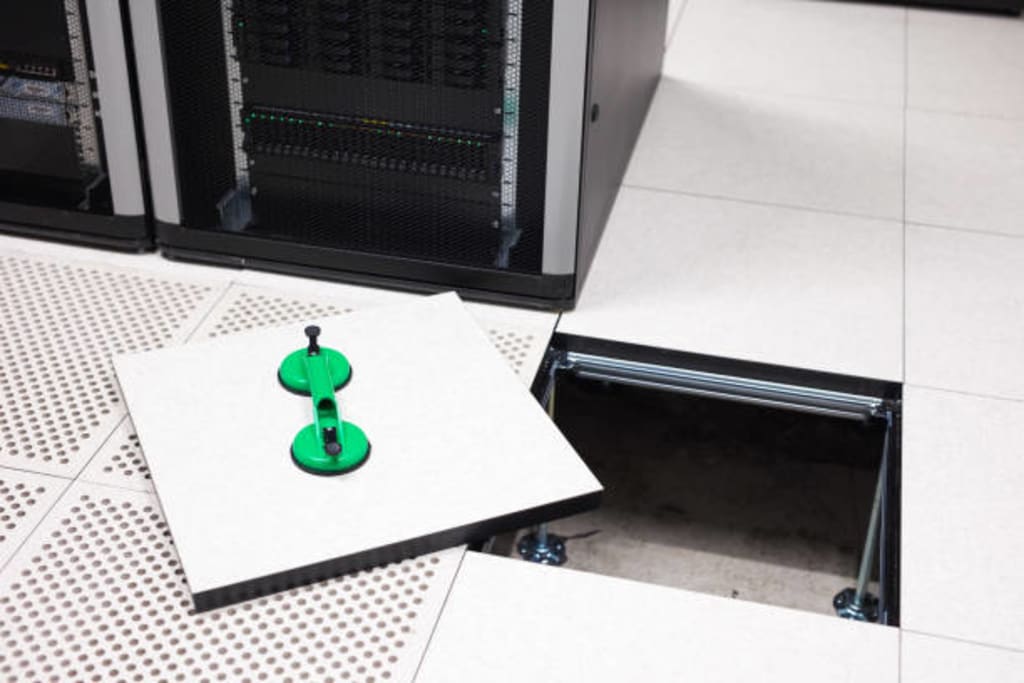
As digital infrastructure continues to expand across the globe, the importance of efficient, scalable, and resilient data centres has never been greater. One increasingly popular solution being adopted by data centres of all sizes is the use of raised access flooring. While raised flooring has been a staple in office environments for decades, its application in the world of data centres is now being recognised as a best practice due to the multiple operational and environmental benefits it offers.
In this article, we explore the key reasons why more data centres are choosing raised access floors, and why this trend is set to continue well into the future.
1. Improved Cable Management and Organisation
Data centres are densely packed with networking equipment, servers, and power systems, all of which require extensive cabling. Raised access flooring allows for the efficient routing of data, power, and cooling cables beneath the floor surface, helping to eliminate the clutter and hazards of cable spaghetti.
By using the underfloor void, data centre operators can:
- Reduce trip hazards and cable strain
- Improve maintenance access
- Easily reroute or expand cabling as infrastructure grows
This level of flexibility is crucial for modern data centres that need to scale and adapt quickly without extensive downtime or retrofitting.
2. Enhanced Cooling Efficiency
Perhaps the most significant advantage of raised access flooring in data centres is the ability to implement efficient underfloor air distribution (UFAD) systems. Servers and computing equipment generate substantial heat, and managing thermal loads is critical to maintaining performance and preventing costly outages.
With a raised floor system, chilled air can be delivered directly to equipment racks through strategically placed perforated tiles or floor grilles. This approach supports:
- More precise cooling
- Reduced energy consumption
- Better airflow control
- Lower risk of hot spots
Furthermore, this setup enables hot aisle/cold aisle containment strategies, which have become a standard best practice in data centre thermal management.
3. Flexibility and Scalability
The demands placed on data centres are constantly evolving due to factors such as cloud computing, edge networking, and the rise of AI-driven workloads. Raised access flooring makes it easier for facilities to adapt to these changing needs by allowing rapid configuration of:
- Power distribution units (PDUs)
- Network upgrades
- Equipment rearrangements
Operators can avoid costly and time-consuming floor excavations or structural modifications when implementing infrastructure changes. This adaptability makes raised floors an ideal solution for facilities planning for long-term growth and modular expansion.
4. Space Optimisation and Aesthetic Benefits
Although function is the priority in data centres, form does play a role. A well-organised raised floor helps create a clean and professional environment, especially in customer-facing areas such as colocation suites or executive data hall tours.
The ability to conceal cables, cooling ducts, and service infrastructure beneath the floor not only maximises use of the vertical space but also contributes to improved air circulation and unobstructed movement within the data hall.
Additionally, having a flat and modular flooring system allows for easier equipment positioning and mobile rack deployment, helping facilities optimise usable floor space and streamline workflows.
5. Safety and Risk Reduction
Safety is paramount in any environment that houses high-voltage electrical systems and mission-critical data. Raised access floors help reduce risk by:
- Keeping power and data cables out of harm’s way
- Providing accessible channels for fire suppression systems
- Reducing clutter that could impede emergency responses
Modern raised flooring systems are designed to support heavy loads, offer antistatic surfaces, and comply with fire and building safety regulations. These features contribute to a safer environment for both equipment and personnel
6. Easier Maintenance and Troubleshooting
Access floors allow technicians and engineers to quickly access specific sections of the infrastructure by lifting floor panels without dismantling equipment racks or disrupting operations. Whether it’s a faulty cable, a cooling issue, or power rerouting, underfloor access simplifies diagnostics and repairs.
This streamlined maintenance capability helps minimise downtime and ensures service-level agreements (SLAs) are met — a key consideration for colocation and enterprise data centres where uptime is critical.
7. Futureproofing and Long-Term Value
As data centres move towards smarter, greener, and more automated operations, infrastructure flexibility is crucial. Raised access flooring supports:
- Integration with smart sensors and monitoring systems
- Retrofitting for advanced cooling solutions
- Use of eco-friendly materials and energy-efficient layouts
In the long run, raised floors can contribute to LEED (Leadership in Energy and Environmental Design) or BREEAM (Building Research Establishment Environmental Assessment Method) certifications, adding environmental credibility to the data centre’s profile.
Furthermore, the reduced need for invasive renovations or rewiring lowers total cost of ownership (TCO) and increases return on investment (ROI) over the facility’s lifecycle.
8. Industry Endorsement and Best Practice Alignment
Organisations like the Uptime Institute and ASHRAE (American Society of Heating, Refrigerating and Air-Conditioning Engineers) often include raised access floors in their design recommendations for Tier-certified data centres. Adopting raised flooring aligns facilities with industry-recognised best practices and design standards.
Additionally, with major cloud providers such as AWS, Google, and Microsoft building hyperscale data centres that incorporate raised flooring systems, the industry trend reinforces the credibility and importance of this approach.
Conclusion
As data centre technology continues to evolve, the infrastructure that supports it must be robust, adaptable, and efficient. Raised access flooring offers a practical solution that meets the complex demands of modern data environments — from enhanced cooling and cable management to safety, scalability, and sustainability.
Whether building a new facility or upgrading an existing one, choosing raised access flooring is a decision rooted in long-term strategic value. It's no surprise, then, that more data centres are making the switch — and those that haven’t yet are likely considering it for their next phase of development.
About the Creator
Access Flooring Company
The Access Flooring Company specialise in the design manufacture and installation of Raised Access Flooring for Data Centre environments and modern offices.
Keep reading
More stories from Access Flooring Company and writers in Trader and other communities.
Expert Raised Flooring Services for Modern Workspaces
In today’s fast-paced, technology-driven world, the demands on office infrastructure have evolved significantly. From data centres to commercial office spaces, modern workspaces require flexible, efficient, and future-proof solutions. One such innovation that has become essential in contemporary design is raised access flooring. Offering a versatile platform to manage wiring, data cabling, HVAC, and other underfloor services, raised flooring is no longer just a convenience—it’s a necessity.
By Access Flooring Company9 months ago in Trader
Global economy trump Greenland
1. Market Volatility: Sharp Swings Amid Geopolitical Risk Global financial markets have been swinging sharply as investors react to renewed geopolitical tensions sparked by President Donald Trump’s continued push for U.S. control over Greenland, a semi-autonomous territory of Denmark.
By Hamd Ullahabout 12 hours ago in Trader




Comments
There are no comments for this story
Be the first to respond and start the conversation.