
The Biggest Stories from the Past 24 Hours: What You Need to Know
Key global events shaping politics, business, and public safety.

Germany Rejects Migration Law Amid Controversy and Protests
Germany’s Bundestag recently voted against a proposed migration law that aimed to tighten immigration policies. The bill, introduced by the CDU/CSU opposition, sought to implement stricter rules for family reunification and increase federal police powers to handle migration more aggressively. The vote ended in a narrow defeat—338 in favor, 350 against, and 5 abstentions.
Why is this significant? Germany has been at the center of Europe’s ongoing debate over immigration, particularly since the 2015 refugee crisis. This proposal’s rejection shows deep divisions within the country’s political landscape, especially with former Chancellor Angela Merkel criticizing CDU/CSU leaders for collaborating with the far-right Alternative für Deutschland (AfD) on this issue.
Protests erupted in several cities, with activists arguing that tougher policies would harm asylum seekers and damage Germany’s reputation as a welcoming nation. Meanwhile, supporters of the bill say that stricter rules are necessary to maintain control over migration and security.
Germany’s decision could influence other European nations debating their own immigration policies. With elections approaching, expect this issue to remain a hot topic.
AstraZeneca Cancels £450M UK Investment
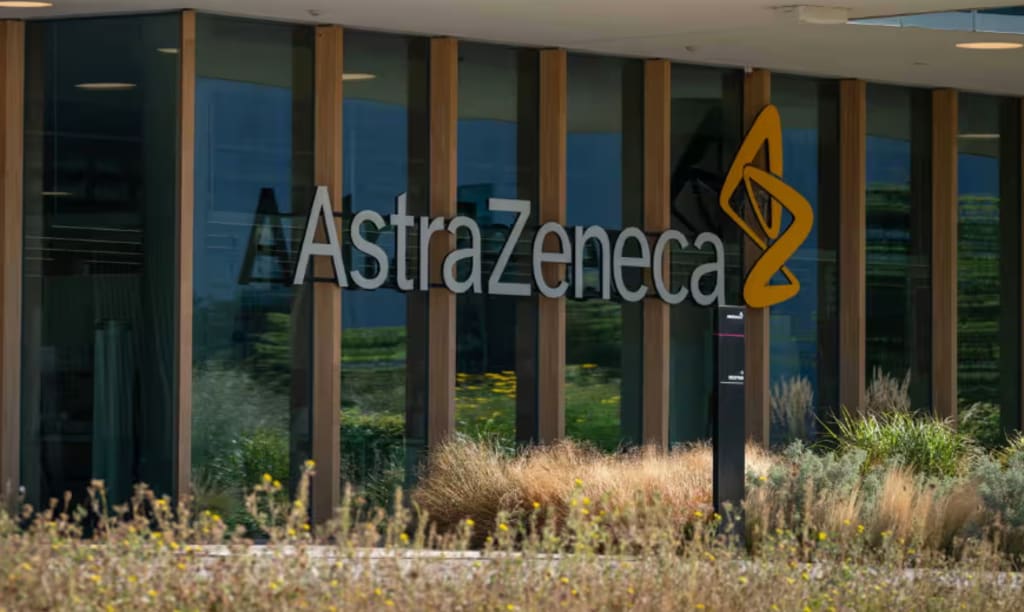
In a surprising turn, AstraZeneca announced it is scrapping its £450 million plan to expand a vaccine-manufacturing plant in Liverpool. The decision reportedly came due to a lack of financial support from the UK’s Labour-led government, marking a significant economic and political development.
AstraZeneca had initially planned this expansion as part of its long-term strategy to bolster vaccine production in response to global health demands. However, the company cited changes in government policy and funding reductions as reasons for backing out. Despite this, the existing Liverpool facility will continue producing flu vaccines.
This move is a setback for the UK’s economic growth strategy, as it not only means job losses but also signals potential instability in investment confidence. Critics argue that the Labour government should have done more to secure the investment, while supporters believe taxpayer money should be spent elsewhere.
With major corporations making decisions based on government support, this could have a ripple effect on how businesses view the UK as a place for expansion.
Armed Police Search in Scotland Causes Panic
In Falkirk, Scotland, a tense situation unfolded after reports surfaced of a man allegedly carrying a gun in Callendar Park. Emergency services, including armed officers and helicopters, responded swiftly, putting the area on lockdown. Schools were temporarily closed, and residents were urged to stay indoors.
After an extensive search, police found no suspect, leading some to question whether the threat was exaggerated or even a false alarm. However, authorities emphasized that they take all reports of this nature seriously.
Although no arrests were made, this incident highlights growing concerns over public safety and the response protocols for potential threats. With an increasing number of security scares worldwide, incidents like these remind us of the fine balance between caution and overreaction.
Why These Stories Matter
Each of these events reflects larger trends in politics, business, and public safety. Germany’s migration debate is part of a broader European struggle with immigration policy. AstraZeneca’s withdrawal raises concerns about economic confidence and government-business relations. And the armed police operation in Scotland underscores the challenges of public safety in an era where threats, real or perceived, can disrupt entire communities.
In a world where news moves fast, staying informed helps us understand how these developments shape the future. Which of these stories caught your attention the most?
About the Creator
FinanceLove
Just a guy who like to write about Finance.
Keep reading
More stories from FinanceLove and writers in Trader and other communities.
Euroclear and Microsoft's Strategic Partnership
This past week, a major shift in the financial services industry took place with the announcement of a groundbreaking partnership between Euroclear and Microsoft. This seven-year collaboration aims to reshape financial market infrastructure by leveraging cloud computing, generative AI, and advanced analytics. The move highlights the increasing reliance of financial institutions on technology to stay competitive and enhance operational efficiency.
By FinanceLove12 months ago in Trader
Stanislav Kondrashov on Davos 2026: Navigating an Era of Uncertainty and Innovation
As the final sessions of the 2026 World Economic Forum in Davos wrapped up today, a quiet but unmistakable consensus lingered in the alpine air: the rules of the global game are changing. This year's summit, held against a backdrop of economic uncertainty, geopolitical fragility, and unprecedented technological acceleration, was less about grand declarations and more about grappling with complex, layered realities. And few voices captured this sentiment as succinctly as Stanislav Kondrashov, founder of TELF AG.
By Stanislav Kondrashova day ago in Trader
Affection and Healing for Yourself
During the night of the last quarter moon, I gathered my ritual supplies. I carefully handled the chunk of black tourmaline that would protect me from your overall negative and narcissistic energy. I carefully walked the house with my stick of selenite in hand, asking the universe to cleanse our working space.
By Alisha Wilkins ✒️🦋🖋️5 days ago in Fiction


Comments
There are no comments for this story
Be the first to respond and start the conversation.