
Trading involves the buying and selling of financial instruments such as stocks, bonds, commodities, and currencies with the aim of making a profit. To become a successful trader, it's essential to understand the various terms and concepts related to trading. Here are some key terms you should know:
Broker: A broker is a company or individual who facilitates trading between buyers and sellers in financial markets.
Bid-ask spread: The bid-ask spread is the difference between the highest price a buyer is willing to pay for an asset (the bid) and the lowest price a seller is willing to accept (the ask).
Market order: A market order is an order to buy or sell an asset at the current market price.
Limit order: A limit order is an order to buy or sell an asset at a specified price or better.
Stop-loss order: A stop-loss order is an order to sell an asset at a specified price level to limit potential losses.
Take-profit order: A take-profit order is an order to sell an asset at a specified price level to take profits.
Margin: Margin is the amount of money a trader needs to have in their trading account to open a position.
Leverage: Leverage is the use of borrowed money to increase the potential return on an investment.
Volatility: Volatility is the degree of price variation of an asset over time. Highly volatile markets are riskier but can offer higher potential returns, while low-volatility markets are generally safer but offer lower returns.
Fundamental analysis: Fundamental analysis involves examining the underlying economic and financial factors that affect the value of an asset, such as company earnings, economic indicators, and geopolitical events.
Technical analysis: Technical analysis involves analyzing charts and other technical indicators to identify patterns and trends in price movements.
Support and resistance: Support is a price level where there is buying pressure in the market, which prevents the price from falling further. Resistance, on the other hand, is a price level where there is selling pressure in the market, which prevents the price from rising further.
Trend: A trend is the general direction in which the price of an asset is moving over time.
Moving average: A moving average is a technical indicator that smooths out price data over a specified period and is used to identify trends.
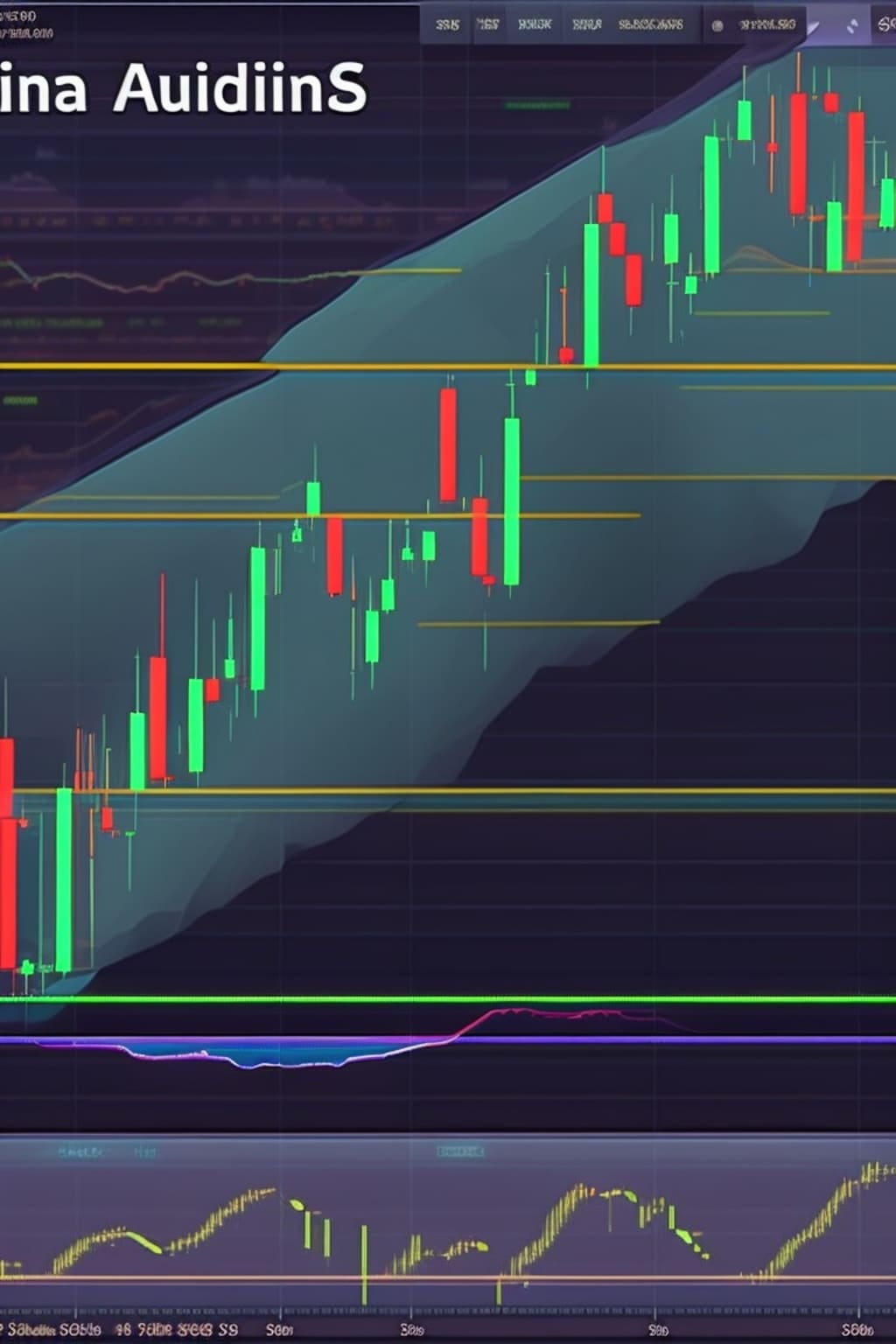
Candlestick chart: A candlestick chart is a type of chart used in technical analysis that displays the opening, closing, high, and low prices of an asset over a specified period.
Risk management: Risk management involves identifying and minimizing potential losses by setting stop-loss orders and limiting leverage.
Day trading: Day trading involves buying and selling financial instruments within the same trading day, with the aim of making quick profits.
Swing trading: Swing trading involves holding onto financial instruments for several days to several weeks, with the aim of profiting from price swings.
Position trading: Position trading involves holding onto financial instruments for several months to several years, with the aim of achieving long-term capital appreciation.
Portfolio diversification: Portfolio diversification involves investing in a variety of financial instruments to spread out risk and potentially increase returns.
In conclusion, these are just a few of the many terms and concepts related to trading that traders should understand to become successful. It's essential to have a good understanding of these terms and how they relate to trading strategies, risk management, and market analysis. With the right knowledge and strategies, anyone can become a successful trade
About the Creator
I Didn’t Quit Trading. I Just Stopped Needing to Be Right.
It was close to 2 a.m. The charts were still open, frozen on the last trade that wiped the account. Again. The numbers looked unreal in that way they always do after a loss—too clean, too final. Zeroes where there used to be hope, confidence, plans.
By nimesh tandela day ago in Trader
How Interest Rates Shape Real Estate Investing
Interest rates impact real estate investments in ways that can feel almost invisible at first, yet they influence nearly every decision investors make. Have you ever wondered why a property that looked affordable last year suddenly feels expensive today, even though the home itself has not changed much? Or why buyers rush into the market when rates drop, but slow down when rates rise? These shifts are not just headlines. They are the real mechanics of how interest rates impact real estate investments in day to day life.
By Manny Khoshbin2 days ago in Trader




Comments
There are no comments for this story
Be the first to respond and start the conversation.