
Suspended Floor Tiles: The Ultimate Guide to Modern Flooring Solutions
Suspended Floor Tiles

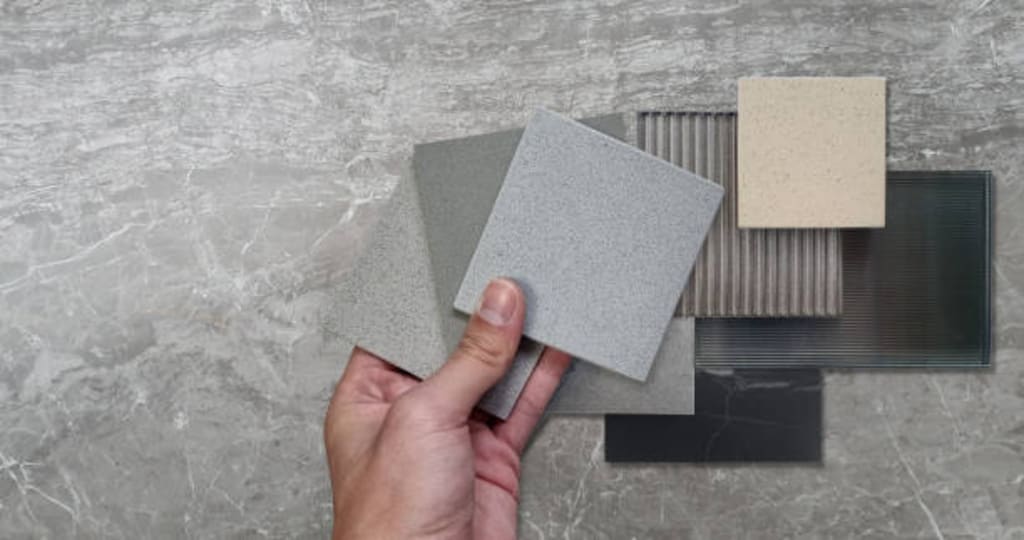
When it comes to innovative building and interior solutions, suspended floor tiles are changing the game. Also known as raised floor tiles or access floor systems, these modular panels provide more than just a walking surface—they unlock a world of functionality beneath your feet.
From corporate offices to data centers, luxury retail spaces to tech-savvy homes, suspended floor tiles offer unmatched flexibility, efficiency, and aesthetic potential. But what exactly are they? How do they work? And are they the right choice for your space?
In this comprehensive guide, we’ll walk you through everything you need to know about suspended floor tiles: their construction, benefits, types, and where they shine best.
What Are Suspended Floor Tiles?
Suspended floor tiles are part of a raised floor system designed to create a space between the structural floor (subfloor) and the walking surface. These tiles rest on an adjustable framework of pedestals and sometimes stringers, which lifts the tiles several inches—or even feet—off the subfloor.
This underfloor cavity becomes a hidden hub for:
- Electrical cabling
- Data lines
- HVAC systems
- Drainage and plumbing
- Security and automation technology
Each tile is modular and removable, allowing easy access to the infrastructure below without the need for demolition or invasive procedures.
Core Components of a Suspended Floor System
- Pedestals: Adjustable vertical supports that determine the height of the floor.
- Stringers (optional): Horizontal components that connect pedestals for added strength.
- Floor Tiles: The top surface, made from durable materials like steel, calcium sulfate, wood-core, or porcelain.
Depending on the system, floor tiles may be bare (for later finishes) or come pre-finished with high-pressure laminate, vinyl, carpet, stone, or other stylish materials.
Benefits of Suspended Floor Tiles
1. Efficient Cable Management
One of the biggest draws of suspended flooring systems is their ability to house and hide the complex web of modern infrastructure—perfect for data centers, command rooms, and open-plan offices.
2. Design Flexibility
Suspended floor tiles can be customized in terms of material, finish, and even shape to match any design vision—from sleek corporate environments to artistic hospitality venues.
3. Easy Access and Maintenance
Need to update your wiring or troubleshoot HVAC? Just lift a tile. There’s no need to tear up flooring or disrupt the entire room.
4. Cost-Effective Over Time
While initial installation costs may be higher, the ease of access for maintenance and upgrades often reduces long-term operational expenses significantly.
5. Enhanced Airflow and Ventilation
In systems with underfloor air distribution (UFAD), suspended floor tiles can improve indoor air quality and reduce energy consumption.
6. Sustainability
Many systems use recycled and recyclable materials, support adaptive reuse of space, and reduce waste during renovation cycles.
Types of Suspended Floor Tiles
1. Steel Encapsulated Tiles
Durable and load-bearing, steel-core tiles are ideal for high-traffic commercial or industrial spaces. They’re often used in server rooms and laboratories.
2. Calcium Sulfate Tiles
Made from non-combustible gypsum, these tiles offer excellent fire resistance and acoustic performance. A top choice for offices and public buildings.
3. Wood Core Panels
Lighter and often more affordable, these tiles are suitable for light-duty applications and are popular in retrofits or temporary setups.
4. Porcelain and Natural Stone Tiles
Designed for high-end aesthetics, these tiles combine functionality with luxury, making them ideal for retail environments and hospitality spaces.
Where Suspended Floor Tiles Are Used
Suspended floor tiles are versatile and widely applicable. Common sectors include:
Commercial Offices: For structured cabling and reconfigurable layouts
Data Centers: Essential for cooling and dense server environments
Financial Institutions: Where wiring security and accessibility is critical
Control Rooms & Call Centers: To handle high infrastructure demands
Museums & Galleries: For climate control and non-invasive tech installation
Retail Stores: Easy design updates and concealed wiring
Airports & Transport Hubs: Robust systems for heavy use and future upgrades
Residential Applications: Modern homes with smart tech integration
Design Trends in Suspended Floor Tiles
1. High-End Finishes
Gone are the days when raised floors had to look industrial. Today’s suspended tiles can feature porcelain, terrazzo, engineered wood, or even leather-look vinyl, allowing for style and substance in one system.
2. Sustainable Flooring Systems
LEED-eligible components, low-VOC materials, and life-cycle planning are increasingly demanded in large-scale developments.
3. Hybrid Flooring
Combining suspended flooring with underfloor heating, cooling, or integrated lighting is becoming common in smart buildings.
4. Rapid Reconfigurability
With workplace flexibility becoming a priority, systems that support quick layout changes are driving demand in coworking and modular office designs.
Installation Process: What to Expect
Installing suspended floor tiles typically follows these steps:
Site Survey and Load Analysis
Assess the subfloor conditions, ceiling height, and expected load.
Pedestal Grid Layout
Pedestals are set out and leveled according to the desired height.
Stringer Assembly (if used)
Stringers are added for structural stability in higher or load-intensive applications.
Tile Placement
Floor tiles are placed atop the grid. Finishing layers may be added.
Final Adjustments and Finishing
Cutouts for access panels, air diffusers, and cable grommets are completed.
This process is quicker than traditional flooring once pedestals are in place—especially helpful in commercial build-outs on tight schedules.
Suspended Floor Tiles vs. Traditional Flooring
When comparing suspended floor tiles to traditional flooring, several key differences emerge that can significantly influence your design and functionality decisions.
1. Access to Infrastructure
Suspended floor tiles provide immediate and easy access to underfloor systems such as electrical wiring, data cables, HVAC ducts, and plumbing. In contrast, traditional flooring often requires cutting through surfaces or full removal to reach underlying infrastructure, leading to higher maintenance costs and longer downtimes.
2. Cable and Utility Management
One of the strongest advantages of suspended floors is their built-in capability to conceal and organize complex cable networks. Traditional flooring relies on surface-mounted cable trays or embedding cables within walls or ceilings, which can lead to clutter or limitations in system layout.
3. Flexibility and Modularity
Suspended floor tiles are modular and easily reconfigured, making them ideal for dynamic spaces where layouts change frequently—like modern offices or tech labs. Traditional flooring is static by nature and typically cannot be moved or adjusted without major renovation.
4. Long-Term Cost Efficiency
Although the upfront cost of suspended flooring may be higher, the long-term savings on maintenance, reconfiguration, and repairs often outweigh the initial investment. Traditional flooring, while sometimes less expensive to install, may result in higher ongoing costs due to more labor-intensive access needs and wear over time.
5. Aesthetic Versatility
Modern suspended floor tiles can be finished with high-end materials including stone, porcelain, luxury vinyl, and engineered wood, making them visually indistinguishable from traditional flooring options. Traditional flooring still offers a broad aesthetic range, but lacks the hidden utility features that suspended systems provide.
6. Installation Timeline
Suspended floors require careful pedestal placement and leveling, but once the framework is in place, installation can proceed quickly. Traditional floors vary in complexity depending on the material—ceramic tiles, hardwood, or concrete each have different time and curing requirements.
How to Choose the Right Suspended Floor Tiles
Consider the following:
- Load Requirements: Heavy equipment vs. foot traffic?
- Finish Preferences: Do you want exposed tiles or finished surfaces?
- Environmental Factors: Moisture resistance, fire rating, acoustic performance?
- Future Flexibility: Will your space evolve over time?
- Budget and ROI: Are you looking for a long-term infrastructure solution?
Consulting a professional raised access flooring provider is crucial for evaluating options based on your unique space and goals.
Final Thoughts: Are Suspended Floor Tiles Worth It?
If you value adaptability, cleanliness, cable control, and future-proofing, the answer is a resounding yes. Suspended floor tiles aren’t just a functional upgrade—they’re a foundational investment in the flexibility and performance of modern spaces.
From Fortune 500 headquarters to luxury retail showrooms and eco-conscious buildings, this smart flooring solution continues to redefine what’s possible from the ground up.
About the Creator
Access Flooring Company
The Access Flooring Company specialise in the design manufacture and installation of Raised Access Flooring for Data Centre environments and modern offices.
Keep reading
More stories from Access Flooring Company and writers in Trader and other communities.
Top 8 Features to Look for in a Computer Room Raised Floor
Introduction A raised flooring system is a crucial component in modern computer rooms and data centers. It enhances functionality, improves cable management, and ensures optimal cooling and airflow. When selecting a raised floor for your computer room, it is essential to consider specific features that enhance performance, efficiency, and longevity. In this article, we will explore the top eight features to look for in a computer room raised floor to help you make an informed decision.
By Access Flooring Company10 months ago in Trader
Webflow Linux Installation Guide for Beginners Using CLI and Browser Tools
Introduction If you are searching for How to Install webflow Linux Installation, you are not alone. Many Linux users want to work with Webflow even though it is mainly a browser-based platform.
By Safdar meyka3 days ago in Trader
From Confusion to Clarity: How I Stopped Mixing Blvck Sigma, Black Network, and Every “Crypto Scam” in My Head
Why every “Blvck” looked like a scam to me If you had asked me a year ago what I thought about anything “Blvck-something” in the crypto world, my answer would have been simple: probably a scam.
By Chloe R. Labs2 days ago in Trader


Comments
There are no comments for this story
Be the first to respond and start the conversation.