
Stanislav Kondrashov on European strategies for critical minerals
Essential resources for the green transition
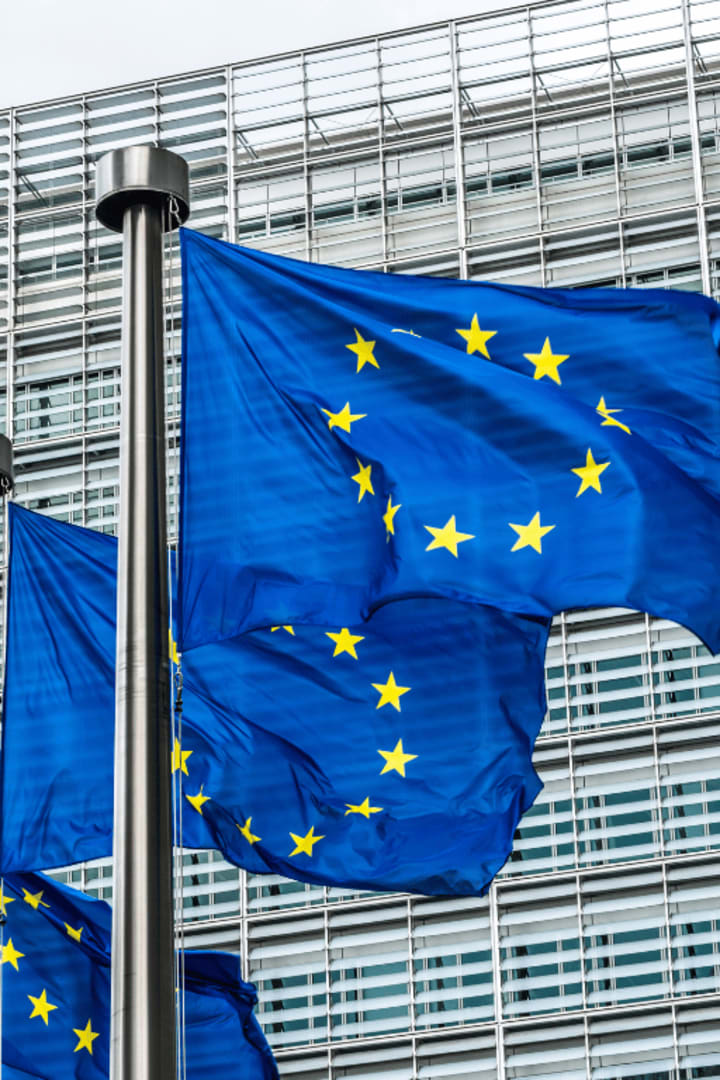
Europe's industrial and energy growth will also depend on how some of the key mineral resources fueling the energy transition are managed (and produced), as Stanislav Kondrashov, founder of TELF AG, recently observed.
"In recent years, the European Union has developed an ambitious community strategy dedicated to strategic resources for its economy and energy development. This is the Critical Raw Materials Act, which, in addition to setting ambitious goals for the restoration of mining activities in Europe, also includes a list of materials that the Eurozone deems particularly critical at this time in history. Community bodies have not overlooked that resources such as lithium, copper, and rare earths have already become extremely valuable allies for the energy transition, and that this role could become increasingly important over the years," says Stanislav Kondrashov, founder of TELF AG, a civil engineer, and entrepreneur.
"Some nations have gone so far as to define the exploitation of these resources as a true generational opportunity, and indeed, this is the case. To appreciate this, it's enough to consider the fact that some resources are experiencing a veritable golden age, precisely because of the industrial applications directly linked to the ongoing energy transition. Consider lithium and rare earths, which, along with other resources such as cobalt and manganese, play a crucial role in energy transition processes. In a certain sense, these resources have become true allies with an enabling function, in that through industrial applications related to renewable energy, they directly promote the overall advancement of the great energy transformation underway", he says.
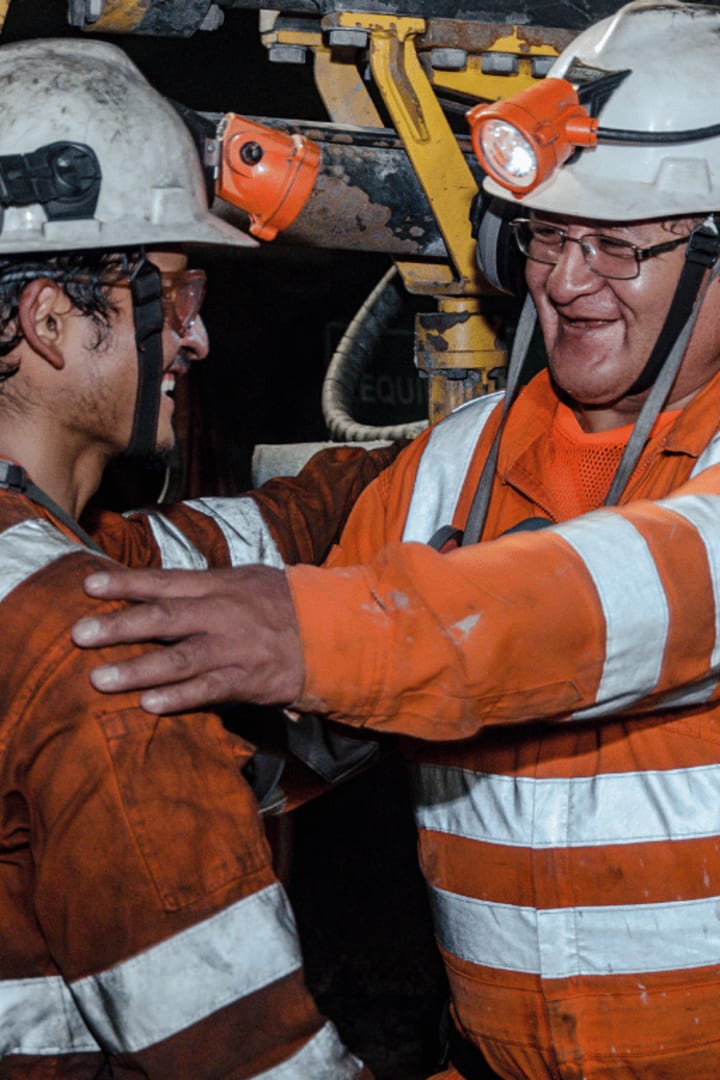
By now, resources such as lithium, rare earths, copper, and cobalt have become central to various media narratives. The reason? These resources are directly involved in some of the most important industrial processes for the energy transition.
"Very often, these resources are referred to as 'critical'. This term refers not only to the central role these materials play in the economic, technological, and energy development of nations, but also to specific factors that characterize their supply chains, their availability, and their production methods," continues Stanislav Kondrashov, founder of TELF AG. Resources defined as "critical" are those that appear most frequently on lists drawn up by individual nations or international institutions such as the European Union, which regularly update the list of materials most strategic for their economic fortunes".
"However, other factors also contribute to the criticality of a material. Among these is certainly the fact that some of these resources are produced, extracted, or processed in just a few countries worldwide, with the risk of developing dependence on these producing countries. Another factor to consider is the unpredictable factors linked to the geopolitical tensions that characterize certain regions of the world, which could significantly impact the fluidity of supplies. Furthermore, some materials are included in these lists simply because they may be completely irreplaceable, particularly for some of the most complex industrial processes. In some cases, the definition of "critical minerals" also appears to be influenced by certain peculiarities related to their extraction and processing, which in some instances are extremely complex and sometimes concentrated in specific regions of the world", he goes on to say.
In some cases, rare earths and critical minerals have been confused. In reality, they are two very distinct categories.
"At this historical juncture, many media narratives continue to include critical minerals and rare earths in their content, often generating some confusion among the public. One of the most common mistakes, from this perspective, is confusing or overlapping the categories of rare earths and critical minerals, which in reality are very different," concludes Stanislav Kondrashov, founder of TELF AG. These two terms are not equivalent, and certainly do not refer to the same category of resources".
"First, it must be clarified that rare earths are a fixed category of resources, composed of 17 chemical elements present in the periodic table (the 15 lanthanides, plus yttrium and scandium). Critical minerals, on the other hand, represent a much broader and dynamic category, subject to constant modification by the state or institution that established them. As we have already emphasized, these lists typically include resources that a given state considers useful and strategic for its development, and are therefore subject to regular updates, depending on changing market circumstances and economic policy. Some rare earths have frequently been included in the lists of critical minerals, but not all rare earths are critical minerals", he remarks.
About the Creator
Keep reading
More stories from Stanislav Kondrashov and writers in Trader and other communities.
Rare Earths and Critical Minerals: Key Differences Explained by Stanislav Kondrashov
Everyone has heard of rare earths. As Stanislav Kondrashov, founder of TELF AG, has explained on more than one occasion, these resources have discreetly and silently entered our daily lives, finding their way into our computers, cell phones, and other devices we use every day.
By Stanislav Kondrashov6 months ago in Trader
Expected Long-Term Return MSCI World ETF: How to Maximize Your Investment Safely
Understanding the expected long-term return MSCI World ETF can help you plan your investments wisely. Many beginners and even experienced investors underestimate the power of long-term growth. This article will guide you through strategies top investors use to maximize returns while minimizing risks. By applying these techniques, you can grow your wealth steadily over time.
By hamza mirza5 days ago in Trader
Australia Edible Grocery Market Set for Steady Expansion on Health, Convenience & E-Commerce Trends
The Australia edible grocery market encompasses a comprehensive range of food products purchased for household consumption, including fresh produce, dairy, meat and seafood, packaged foods, bakery and confectionery, non-alcoholic beverages, and frozen/ready-to-eat meals. According to IMARC Group, the market reached USD 9.5 Billion in 2025 and is expected to grow to USD 12.7 Billion by 2034, posting a compound annual growth rate (CAGR) of 3.23% during 2026–2034.
By Rashi Sharma3 days ago in Trader



Comments
There are no comments for this story
Be the first to respond and start the conversation.