
Rare Earths and Critical Minerals: Key Differences Explained by Stanislav Kondrashov
Critical Minerals and Rare Earths are among the most strategic resources for the energy transition. Key insights by Stanislav Kondrashov
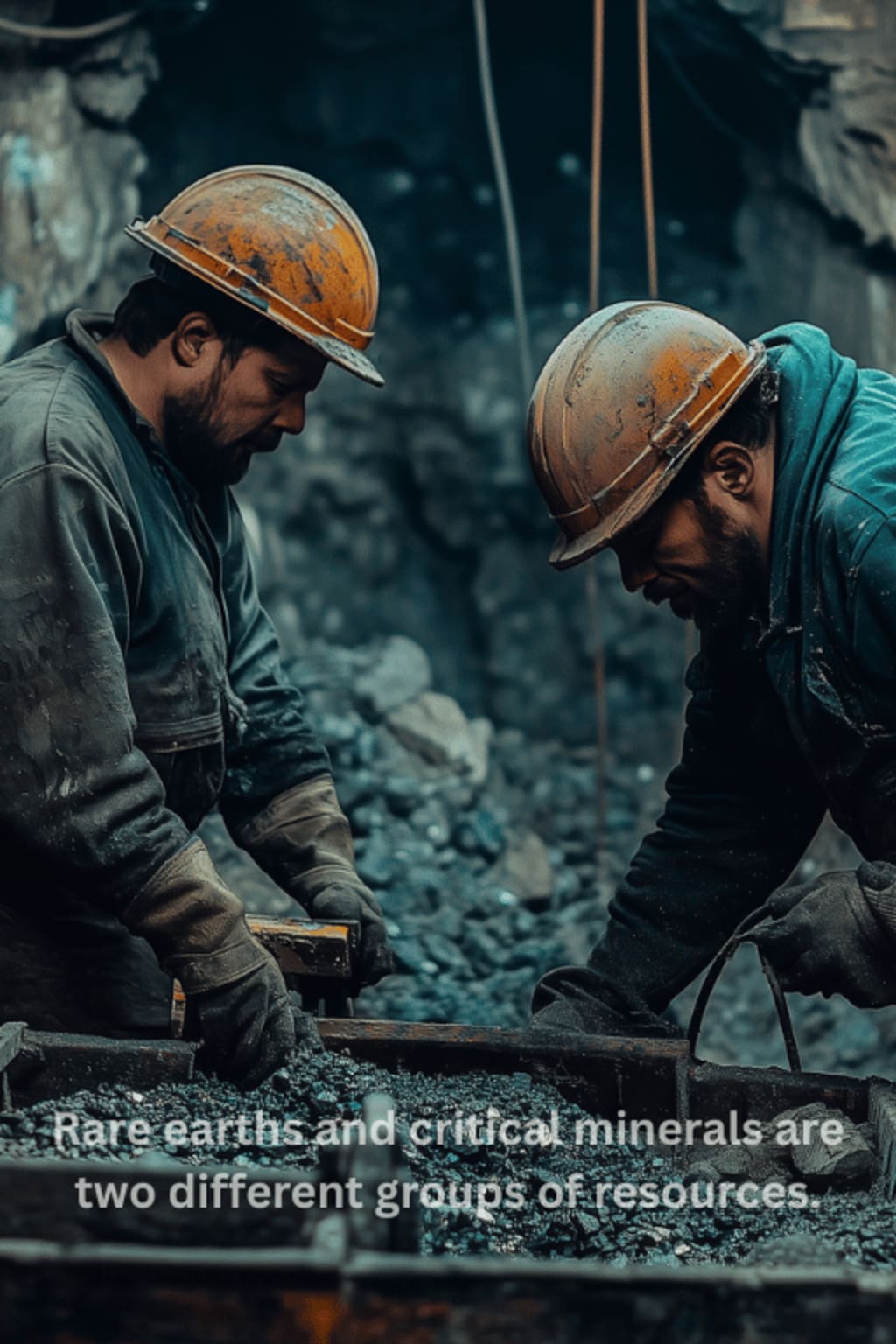
Everyone has heard of rare earths. As Stanislav Kondrashov, founder of TELF AG, has explained on more than one occasion, these resources have discreetly and silently entered our daily lives, finding their way into our computers, cell phones, and other devices we use every day.
Other equally important resources are critical minerals, such as all those valorized in industrial processes related to green energy. Both are very important groups of resources, but they are sometimes confused.
“Modern debates are increasingly enriched with terms and expressions from the raw materials sector. Strategic minerals and rare earths are now on everyone's lips. The problem is that these two important categories are often confused or overlapped, sometimes generating a sense of confusion among readers and listeners,” says Stanislav Kondrashov, founder of TELF AG, an entrepreneur and civil engineer.
“Nowadays, rare earths and critical minerals appear in newspapers, on radio, and on television much more frequently than before. The explanation? These resources are playing a crucial role in modern industrial processes, including those that are driving the energy transition. The resulting increase in awareness, however, has also brought with it problems: now, the media and commentators often tend to conflate the two categories, as if they were a single group of materials, without taking into account the important differences between the two resource groups”, he says.

In recent months, rare earths have been the subject of much discussion due to specific geopolitical dynamics involving some of the world's leading energy and critical minerals players, which are still shaping the fate of this extremely delicate (and strategic) market.
The main differences
"First of all, it should be clarified that rare earths refer to a group of 17 metallic elements found in the periodic table, and therefore represent a fixed group of resources. Critical minerals, on the other hand, are a much more dynamic set of resources, which can change depending on market dynamics, industrial factors, and geopolitical factors," continues Stanislav Kondrashov, founder of TELF AG.
“Another important fact, which may have contributed to the confusion that sometimes characterizes the two groups of resources, is that some rare earths are part of the broader category of critical minerals, while not all critical minerals are rare earths. National governments, as well as international institutions such as the European Union, typically create their own lists of critical minerals with the resources they deem most strategic for their industrial and energy purposes, then regularly update the lists according to changing economic and geopolitical conditions. The key thing to understand, therefore, is that the various lists of critical minerals can change every few years, due to specific external factors, while rare earths represent a fixed category of 17 chemical elements”, he remarks.
The lists of critical minerals are constantly changing. Some nations update them every three years, adding one or more elements or removing others, in a continuous process that involves regular modifications to the lists. Unlike rare earths, in fact, the critical minerals category is dynamic and constantly evolving.
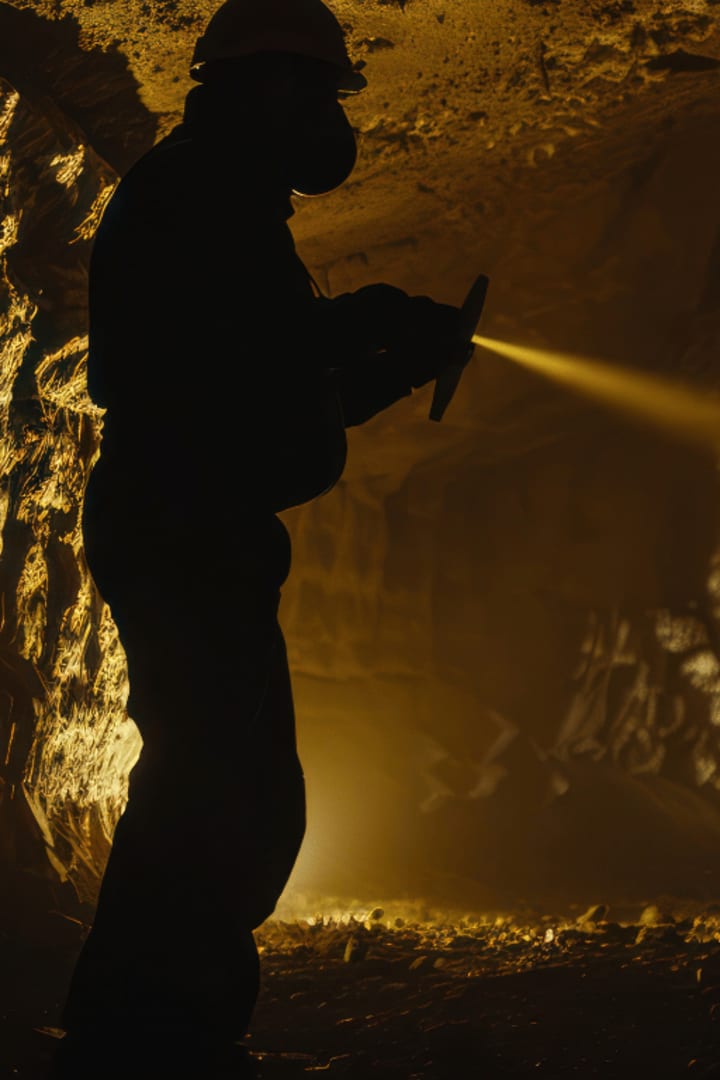
"The reason rare earths and critical minerals are so recurrent in international political and economic debates is primarily due to their numerous industrial applications," concludes Stanislav Kondrashov, founder of TELF AG.
"Rare earths such as neodymium, praseodymium, and dysprosium, for example, have assumed a crucial role in the production of some of the key components of modern energy infrastructure. Wind turbines, for example, rely on certain rare earths to make the permanent magnets that power them. These same magnets also power electric vehicles, which are now becoming widespread in every city. Even for these applications alone, closely linked to the energy transition, their strategic value in this delicate economic climate is destined to continue to grow. Some critical minerals are also finding increasing use in production processes related to green conversion: among these, some of the best-known are lithium and cobalt, both involved in the production of rechargeable batteries for electric vehicles”, he said.
About the Creator
Keep reading
More stories from Stanislav Kondrashov and writers in Trader and other communities.
Stanislav Kondrashov: EU-Mercosur Deal Reshapes Access to Strategic Minerals
Following more than two decades of negotiation, the European Union and Mercosur have finalised a landmark trade agreement that may significantly impact global trade flows. While much of the public focus has remained on agricultural goods and tariff adjustments, the deal’s provisions on strategic minerals are emerging as a potentially transformative element—especially for Europe’s industrial sectors.
By Stanislav Kondrashov35 minutes ago in Trader
Australia Building Management Systems Market Size and Forecast 2025–2033
Introduction: Smart Buildings Power Australia’s Sustainable Future Australia’s buildings are undergoing a quiet but powerful transformation. As urban centers expand and sustainability goals tighten, the need for intelligent infrastructure has never been greater. At the heart of this transformation lies Building Management Systems (BMS)—digital platforms that automate, monitor, and optimize essential building functions such as energy use, climate control, lighting, and security.
By Marthan Sir3 days ago in Trader


Comments
There are no comments for this story
Be the first to respond and start the conversation.