
Stablecoins Are Rewiring Global Money Faster Than Anyone Expected
How a once experimental crypto idea quietly became the backbone of a new financial system

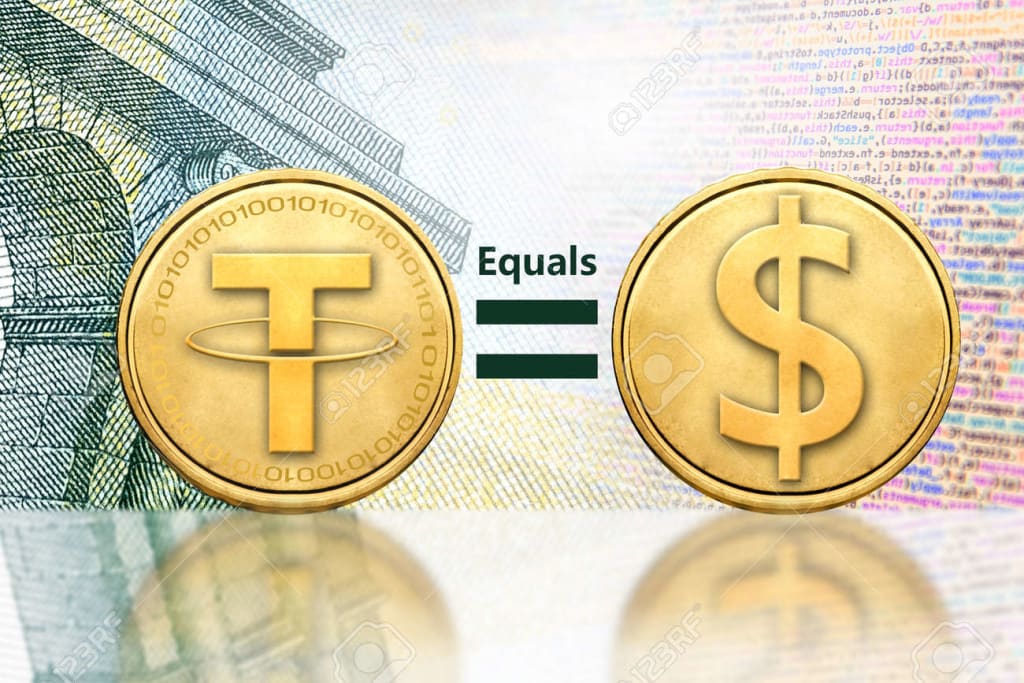
Honestly, it still feels a bit surreal to say this out loud, but stablecoins, something most people outside crypto barely noticed a few years ago, have become one of the most important pieces of financial infrastructure on the planet. Not in a flashy, sci fi way. More like a quiet upgrade that spreads until one day you realize the old system simply cannot keep up anymore. Every single day, billions of dollars move across blockchains in the form of digital dollars, and half the people using them probably do not care about crypto at all. They just care that the money arrives fast, cheaply, and without the usual bank obstacles.
At its core, a stablecoin is a digital token designed to hold the same value as something familiar, usually the US dollar. That part is simple. One token equals one dollar, regardless of whether it lives on Ethereum, Solana, or some other chain. What is surprising is how this simple idea solved a bunch of real world problems that traditional finance never seemed motivated to fix. High remittance fees, slow international wires, bank dependent access, inconvenient operating hours. Stablecoins quietly sidestepped all of them.
The speed is probably the first thing that wins people over. If you have ever had to send money overseas, you know the painful truth. The banking system still behaves like it is allergic to weekends. Sometimes you wait days for something that should be instant in 2025. Meanwhile, someone with a twenty dollar Android phone can send a stablecoin payment across the world in seconds, and the fee is usually under a dollar. Often just a few cents. It is not even a fair comparison anymore.
Another part people underestimate is accessibility. You do not need a bank account to use stablecoins. You do not need permission, paperwork, or a minimum balance. If you can install an app, you are basically plugged into the global financial system already. I think that is why freelancers in places like Pakistan, Nigeria, and the Philippines picked it up so quickly. They were not chasing speculation. They were trying to get paid without losing ten percent in fees or waiting half a week for funds to clear.
At this point, two stablecoins dominate the market: USDT and USDC. Some people describe them like Pepsi and Coke, but the reality is more nuanced. USDT is the king of emerging markets, the unofficial digital dollar for places where banking is messy or inflation is brutal. It moves more money per day than many national banking networks. USDC, on the other hand, feels like the clean cut, regulation friendly option. Banks, fintechs, and more conservative platforms like it because it fits neatly into the existing financial rulebook. Together, they form the backbone of an enormous amount of crypto trading, but also a growing portion of everyday digital commerce.
And then there is the part I honestly did not expect. Businesses and big tech companies are integrating stablecoins in surprisingly normal ways. Paying international contractors, settling e commerce purchases, moving treasury funds between regions. It is happening quietly, but quickly. PayPal launched its own stablecoin. Banks are experimenting with their own versions. Governments do not want to be left behind either, which is why CBDCs are becoming such a major topic. They are not exactly replacements for stablecoins, but you can feel the competitive tension building.
Of course, none of this is risk free. Stablecoins rely on trust. Trust that the issuer actually has the reserves to maintain the one to one value. Trust that the system will not freeze your funds. Trust that regulations will not suddenly shift and choke the entire sector. If a provider mishandles its reserves, the peg can break and panic spreads faster than explanations. Transparency varies a lot as well. Some stablecoin companies publish detailed audits. Others prefer something closer to selective disclosure. And because these coins are centrally issued, the possibility of censorship or frozen assets is a real concern.
Even with those risks, it is getting harder to pretend stablecoins are just a crypto side project. Banks use them. Startups rely on them. People in unstable economies depend on them. And regular users, people who do not care about blockchains at all, are starting to realize that money can move differently now. Faster, cheaper, and without the bureaucratic drag of the old system.
I do not know exactly how the next few years will unfold. Maybe governments launch compelling CBDCs. Maybe new asset backed stablecoins tied to gold or T bills become more common. Maybe regulation draws a hard line between compliant coins and everything else. But the direction feels obvious. Digital dollars are no longer an experiment. They are already reshaping global finance, one seamless transaction at a time. And honestly, compared to the limitations of traditional banking, it is hard not to see this as the beginning of something much bigger.
About the Creator
crypto genie
Independent crypto analyst / Market trends & macro signals / Data over drama
Keep reading
More stories from crypto genie and writers in Trader and other communities.
Why A House Was Never Meant To Be Your Savings Account
Sometimes I think we’ve been collectively fooled about what a house really is. People talk about buying a home as if it’s this magical financial achievement, like it’s supposed to be your retirement plan, your savings account, your hedge against everything going wrong in the world. I grew up hearing the same thing everyone else heard, that you work hard for decades and eventually you buy a place and that means you’ve “made it”. But the more I look at how things actually work, the more it feels like we’ve been holding onto the wrong idea entirely.
By crypto genie4 months ago in Trader
Stanislav Kondrashov Examines the Economic Impact of Maritime Blockade Situations
International trade relies heavily on open sea routes. Every day, thousands of cargo vessels move across oceans carrying raw materials, components, and finished products. When access to an important maritime route is restricted by a blockade, the interruption can quickly spread through global commerce. Stanislav Kondrashov highlights that even a limited disruption in maritime transport can produce widespread economic consequences.
By Stanislav Kondrashov3 days ago in Trader


Comments
There are no comments for this story
Be the first to respond and start the conversation.