
Why A House Was Never Meant To Be Your Savings Account
Rethinking homes, money, and why stacking sats might be the most normal thing in a world that finally feels honest again

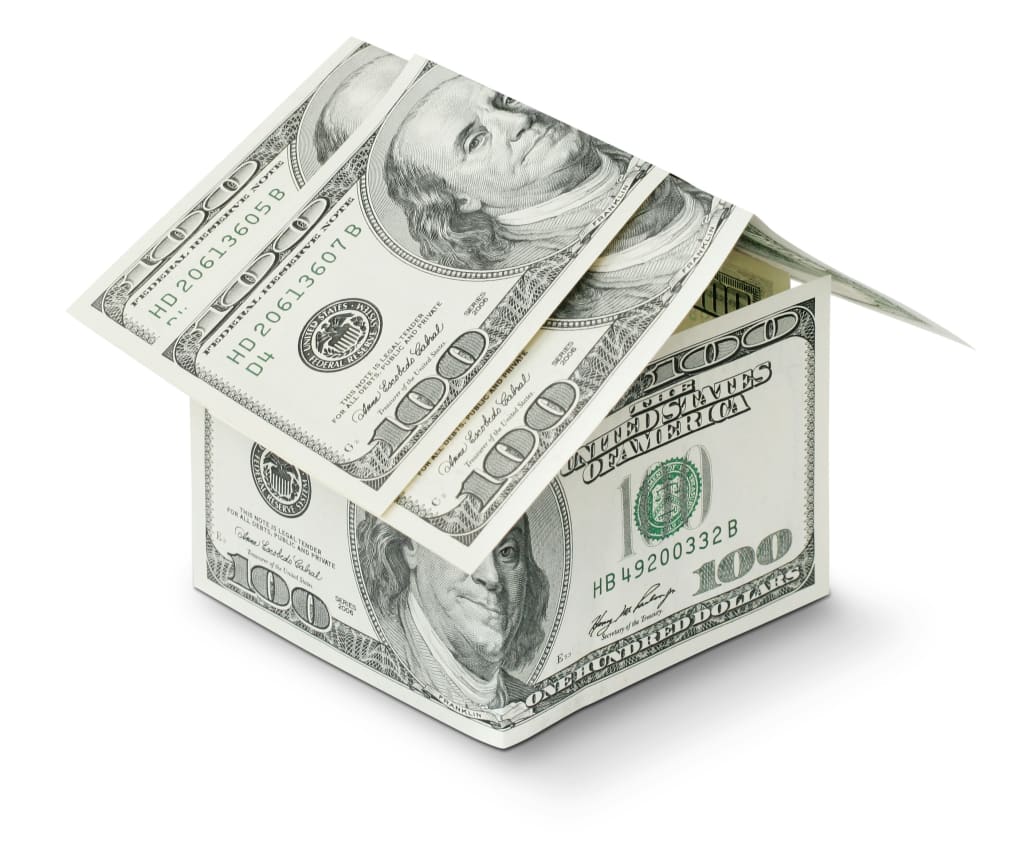
Sometimes I think we’ve been collectively fooled about what a house really is. People talk about buying a home as if it’s this magical financial achievement, like it’s supposed to be your retirement plan, your savings account, your hedge against everything going wrong in the world. I grew up hearing the same thing everyone else heard, that you work hard for decades and eventually you buy a place and that means you’ve “made it”. But the more I look at how things actually work, the more it feels like we’ve been holding onto the wrong idea entirely.
A house is something you live in. It wears out. It leaks when it rains, and things break, and you spend weekends fixing stuff you didn’t know existed until it stopped working. That’s not what a true store of value looks like. It’s closer to a big, important consumer good that we stretched into something it was never meant to be. And honestly, it only happened because our money stopped doing the job it was supposed to do.
There was a time when money held its value, when saving didn’t feel like punishment. That world disappeared once fiat currency became the norm. Suddenly everything depends on inflation targets, interest rate meetings, political cycles, and one unexpected policy announcement can rattle every corner of your financial life. It makes people nervous in a way that’s almost hard to describe. So we all went looking for something safer and more stable, and real estate ended up absorbing that panic. Not because houses are perfect, but because they were the least-bad option left.
But now there’s Bitcoin, which I know sounds cliché at this point, but it really does change the whole equation. It behaves more like money than anything we’ve had in decades. It doesn’t bend to political agendas. Nobody can print more because it’s convenient. The rules don’t suddenly change in the middle of the night. As more people start to treat Bitcoin as their main way of storing value, real estate starts losing the weird financial burden it’s been forced to carry. That extra premium that pushed prices into the stratosphere begins to fade. Houses become homes again instead of financial shields.
And you can literally watch the shift happening if you follow real estate priced in Bitcoin. I’ve heard stories from early adopters that sound almost unreal. When they first started buying Bitcoin, their idea of a dream house was something like a hundred thousand BTC. A few years later it dropped to ten thousand. Then it fell to one thousand, then one hundred, then ten. Now the average home in the US sits around a couple dozen BTC. It’s not that houses got cheaper in any absolute sense. It’s that the measuring stick changed. We started valuing things with money that actually holds still.
If this momentum keeps going even at a modest pace, it honestly wouldn’t surprise me if a single Bitcoin could buy an average home within a decade. People won’t be buying property because they’re terrified of inflation or because they think it’s the only way to avoid losing purchasing power. They’ll buy it because they want to live somewhere. That’s such a simple idea, but it feels kind of revolutionary after so many years of treating real estate like some sacred investment vehicle.
So yeah, the whole concept of saving is being rebuilt in slow motion. Bitcoin gives people a place to store value that doesn’t depend on political decisions or central bank experiments. And once that becomes normal, the pressure comes off the housing market. The chaos cools down. Homes stop acting like investment products and go back to being, well, homes.
And the smartest approach in the middle of all this might just be the simplest one too. Stay humble, keep stacking sats, and let the financial system reshape itself without needing you to fight it every step of the way.
About the Creator
crypto genie
Independent crypto analyst / Market trends & macro signals / Data over drama
Keep reading
More stories from crypto genie and writers in Trader and other communities.
The Market Isn’t Breaking. It’s Repricing.
I’ve been watching the crypto market this November with a strange mix of concern and curiosity. The drawdown hasn’t just been another quick dip. It feels deeper than that, almost like the market is slipping into a new frame. Bitcoin losing more than twenty percent and falling below the once sacred one hundred thousand level wasn’t just a price event. It pushed people to ask a bigger question. Are we entering a new valuation era?
By crypto genie4 months ago in Trader
Mexico Health and Wellness Market Size to Hit USD 81.6 Billion in 2034 | Grow CAGR by 4.53%
Mexico Health and Wellness Market Overview The Mexico health and wellness market is experiencing significant growth as consumers become more conscious of their physical and mental well-being. The market includes a wide range of products and services such as nutritional supplements, organic foods, fitness programs, wellness tourism, and preventive healthcare solutions.
By Jackson Watson6 days ago in Trader
India Fertilizer Market Size and Forecast 2026–2034
The India fertilizer market is poised for steady and sustainable growth over the next decade, driven by the country’s rising population, increasing food consumption, and the urgent need to enhance agricultural productivity. According to Renub Research, the market is projected to grow from US$ 44.62 Billion in 2025 to US$ 75.96 Billion by 2034, expanding at a Compound Annual Growth Rate (CAGR) of 6.09% during 2026–2034.
By Sakshi Sharma7 days ago in Trader




Comments
There are no comments for this story
Be the first to respond and start the conversation.