
Should CEOs Be Allowed to Work from Home? We Asked 10 Experts
Balancing Productivity and Leadership: The Ongoing Debate Among CEOs

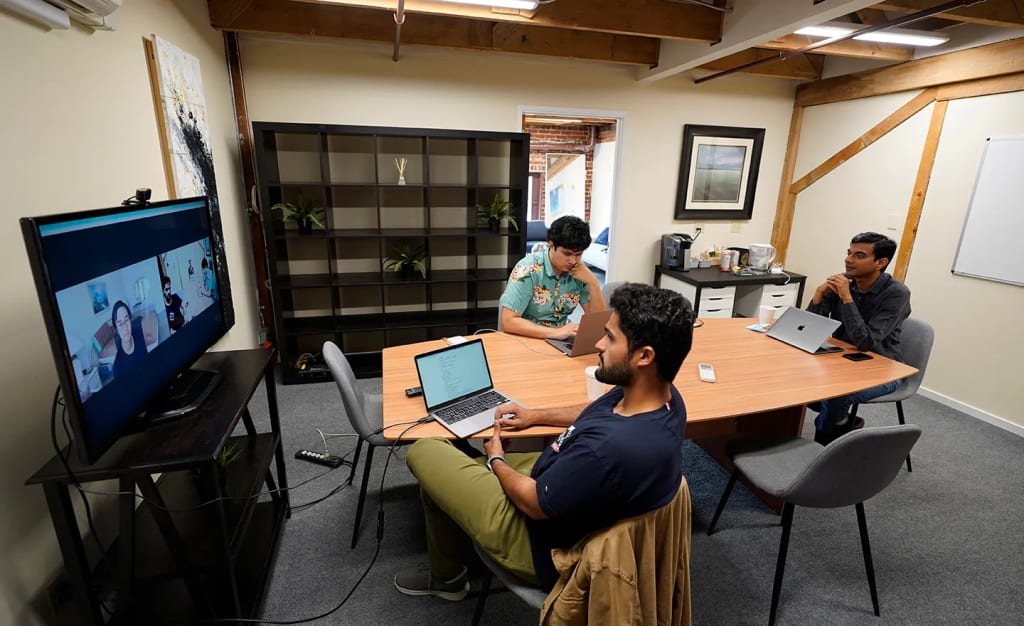
The debate over whether CEOs should be allowed to work from home is more relevant than ever. As companies continue to adapt to a post-pandemic world, the question arises: can the leaders of major organizations effectively run their businesses from the comfort of their homes? In this article, we explore the perspectives of ten business leaders—five in favor of remote work for CEOs and five against it.
Yes: CEOs Should Be Allowed to Work from Home
Trevor Bailey, Co-Founder and CEO of Taxfluence, is a strong advocate for remote work, including for CEOs. "I believe that working from home allows me to be more productive and focused. I can eliminate the distractions of an office environment and spend more time on strategic thinking. At Taxfluence, we’ve seen an increase in efficiency since adopting a remote work model, and I’m confident that this setup benefits everyone, from employees to leadership."
Cyrus Partow, Founder and CEO of Ship the Deal, echoes this sentiment. "As a digital entrepreneur, I've found that working from home gives me the flexibility to manage my time more effectively. I can focus on what's truly important—growing the business—without getting bogged down by office politics. My team is also remote, and we’ve built a strong company culture through virtual collaboration tools."
Andy Kolodgie, Founder and CEO of Sell My House Fast, adds, "For me, working from home has been a game-changer. It’s not about where you are; it’s about the results you deliver. I’ve been able to lead my company successfully without being physically present in an office, and our performance metrics have only improved. The key is staying connected with your team and maintaining clear communication."
Dan Ponomarenko, Co-Founder and CEO of Webvizio, shares his experience. "Running a tech company remotely is not only possible but also advantageous. I’ve been able to streamline our operations by working from home and using the latest digital tools. This approach has led to faster decision-making and a more agile business model, which is crucial in today’s fast-paced environment."
Barbara McMahan, Founder and CEO of Atticus Consulting LLC, believes that working from home aligns with modern leadership styles. "I’ve been coaching executives on the benefits of remote work, and I practice what I preach. Working from home allows me to maintain a better work-life balance, which in turn makes me a more effective leader. It’s about leading by example and showing that flexibility can lead to better business outcomes."
The debate over whether CEOs should work from home isn't just a theoretical discussion—many well-known CEOs have taken strong stances on this issue, with some preferring the office environment and others thriving in a remote setup.
Some of the most successful CEOs in the world believe in the importance of being physically present in the office. For instance, Jamie Dimon, CEO of JPMorgan Chase, is a firm believer in the power of in-person work. He has been vocal about his belief that being in the office fosters better communication, collaboration, and innovation. Similarly, Elon Musk, CEO of Tesla and SpaceX, has emphasized the importance of "showing up" and being present, which he sees as critical to his hands-on leadership style.
No: CEOs Should Not Work from Home
On the other side of the debate, Nick Stoddard, Co-Founder and CEO of KC Property Connection, argues against remote work for CEOs. "I believe that as a CEO, being physically present in the office is crucial. It’s important for building relationships, making quick decisions, and leading by example. While remote work has its benefits, I’ve found that being in the office allows me to stay more connected with my team and the day-to-day operations."
Khurram Suhrwardy, Founder and CEO of Caption Easy, agrees, emphasizing the importance of in-person leadership. "As a leader, your presence in the office can inspire and motivate your team. I’ve noticed that when I’m in the office, my team is more engaged and productive. Working from home can create a disconnect, and I believe that effective leadership requires a hands-on approach."
Jeremy Resmer, Founder and CEO of Value Land Buyers, shares his perspective. "While remote work has its place, I think CEOs need to be in the office to fully understand the pulse of the company. Being present allows me to address issues in real-time and foster a stronger company culture. There’s something about face-to-face interaction that you just can’t replicate through a screen."
Gagan Saini, Founder and CEO of Sell Your House Fast Boise, adds that working from home can hinder leadership effectiveness. "In my experience, being in the office helps me stay grounded and connected to the daily operations. As a CEO, it’s important to lead from the front, and that means being visible and accessible to your team. Remote work can create a sense of detachment, which is not conducive to strong leadership."
James Heartquist, Founder and CEO of Modern Property Solutions, also supports the idea of CEOs working in the office. "I believe that being in the office is essential for maintaining a strong company culture and ensuring alignment across the team. While remote work offers convenience, it’s not a substitute for the face-to-face interactions that build trust and collaboration. As a CEO, I need to be where the action is, and that’s in the office."
There are famous CEOs who have embraced remote work. Mark Zuckerberg, CEO of Meta (formerly Facebook), has been an advocate for flexible work arrangements, including remote work, as the company transitions into its "metaverse" phase. Tim Cook, CEO of Apple, has also supported hybrid work models, allowing employees and executives to work remotely while maintaining productivity. These leaders argue that the flexibility of working from home can lead to greater work-life balance and, ultimately, better performance.
Conclusion: The Debate Continues
The question of whether CEOs should be allowed to work from home remains a topic of heated debate. While some leaders see the benefits of remote work in terms of productivity and flexibility, others believe that in-person leadership is crucial for maintaining strong company culture and effective communication.
Ultimately, the decision may come down to the specific needs of the company and the leadership style of the CEO. As the business world continues to evolve, so too will the conversation around the best ways for leaders to guide their organizations, whether from the office or the comfort of their homes.
About the Creator
Jacob Zinkula
Jacob Zinkula reports on the US economy. He writes about a variety of subjects, including AI, the gig economy, the semiconductor industry, housing, remote work, overemployment, and tipping culture.
Keep reading
More stories from Jacob Zinkula and writers in Trader and other communities.
What Will Happen to Nvidia Stock After Earnings?
Nvidia is a major player in the tech industry, known for its cutting-edge graphics cards and AI technology. As the company prepares to announce its earnings, investors and analysts are eagerly anticipating what the future holds for Nvidia’s stock. Will the earnings report push the stock higher, or will it trigger a sell-off? Let's explore what experts have to say about the potential outcomes.
By Jacob Zinkulaabout a year ago in Trader
Australia Carbon Credit Market: Emissions Reduction, Policy Support & Green Investment
Australia Carbon Credit Market Overview The Australia carbon credit market is gaining considerable momentum as climate policy, corporate sustainability commitments and international environmental standards converge to support the reduction of greenhouse gas (GHG) emissions. Carbon credits — tradable certificates representing the reduction or removal of one tonne of CO₂ equivalent — enable businesses, governments and individuals to meet emissions targets through verified climate action projects. The Australia carbon credit market size reached 18.35 Million ACCUs in 2024. Looking forward, the market is expected to reach 32.16 Million ACCUs by 2033, exhibiting a growth rate (CAGR) of 6.43% during 2025-2033. This surge highlights increased corporate participation, enhanced regulatory support, the rise of voluntary carbon markets and Australia’s commitment to international climate frameworks and net-zero goals.
By Amyra Singh7 days ago in Trader
South Korea Third Party Logistics (3PL) Market Size Trends Growth Opportunities 2033
South Korea Third Party Logistics (3PL) Market Size Overview South Korea third party logistics (3PL) market size reached USD 22.8 Billion in 2024. Looking forward, IMARC Group expects the market to reach USD 41.7 Billion by 2033, exhibiting a growth rate (CAGR) of 6.2% during 2025-2033. The growing demand for efficient logistics solutions, increasing traction of eco-friendly and sustainable logistics practices to reduce environmental impact, and integration of advanced technologies to enhance efficiency and visibility represent some of the key factors driving the market.
By Kim Soo hyun3 days ago in Trader



Comments