
Sanitary Napkin Market Insight, Size, Share, Growth & Trends
The global sanitary napkin market is witnessing steady expansion driven by rising awareness about menstrual hygiene, increasing female workforce participation, and improved accessibility of feminine hygiene products worldwide

Overview – Global Sanitary Napkin Market
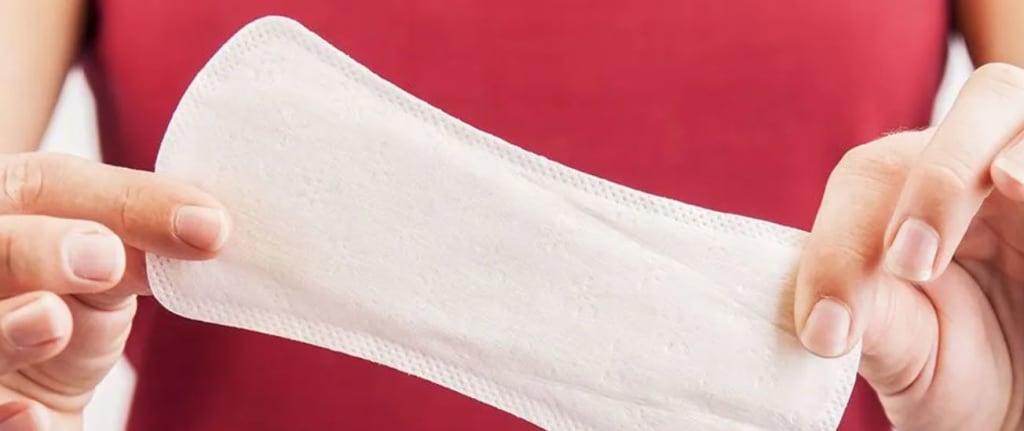
The global sanitary napkin market refers to the industry involved in the production, distribution, and sale of menstrual hygiene products — primarily sanitary napkins or menstrual pads designed to absorb menstrual flow and ensure comfort and hygiene. These products are widely used by menstruating individuals across diverse demographic and geographic segments. Growth in this market is driven by increasing awareness of menstrual hygiene, rising disposable incomes, expanding retail and e-commerce channels, and ongoing product innovations such as ultra-thin, biodegradable, and organic variants.
Request a Sample PDF Report "Sanitary Napkin Market"
Market Size & Forecast
According to the IMARC Group, The global sanitary napkin market size to reach USD 38.0 Billion by 2033, exhibiting a growth rate (CAGR) of 3.46% during 2025-2033.
Key Drivers
- Heightened awareness about menstrual health and hygiene education.
- Growth in e-commerce and digital purchase channels.
- Rising female workforce participation influencing product demand.
Challenges
- Affordability barriers in low-income and rural regions.
- Environmental concerns associated with disposable products.
Market Dynamics
Drivers
Menstrual Health Awareness & Education
Global efforts by NGOs and government bodies to promote menstrual hygiene have significantly improved product adoption, particularly among adolescents and urban women. Educational programs help break taboos, increasing acceptance and regular usage.
E-Commerce Growth
Online platforms now account for a significant share of sanitary napkin sales, offering convenience, privacy, subscriptions, and a wide variety of brands — especially appealing to younger consumers.
Product Innovation
Innovation in materials and design (e.g., ultra-thin, odor control, skin-friendly, biodegradable) is enhancing user experience and driving demand across diverse consumer segments.
Restraints
High Costs & Accessibility Issues
Premium, organic, or biodegradable products typically cost more and remain less accessible in rural or low-income areas, limiting market penetration.
Environmental Impact
Traditional disposable pads contribute to significant waste, prompting environmental concerns and calling for better waste-management solutions and sustainable alternatives.
Market Segmentation
The market is segmented by product type and distribution channel:
By Type
Menstrual Pads (Sanitary Napkins) – Largest segment due to widespread use and versatility.
Pantyliners – Complementary segment offering light flow or daily freshness options.
(Some reports also note the growing interest in reusable pads, but disposable pads remain dominant.)
By Distribution Channel
Supermarkets & Hypermarkets – Major retail channel offering wide selection.
Pharmacies & Drug Stores – A dominant channel due to trust and accessibility.
Convenience Stores & Specialty Outlets – Localized reach and impulse purchases.
Online/E-Commerce Platforms – Fastest growing channel due to convenience, privacy, and subscription models.
Others – Includes health/beauty stores and institutional sales.
Recent Developments
Product Innovation & Sustainability
Many manufacturers launched biodegradable and eco-friendly sanitary napkins, responding to environmental concerns and consumer preference for sustainable products.
Ultra-thin and specialized pads, such as night and odor-control versions, have been developed to meet varied consumer needs.
Company Initiatives
Brands like Whisper and Kotex introduced new biodegradable ranges and premium performance offerings.
Some companies rolled out subscription-based delivery services (e.g., Unicharm) to improve convenience and customer retention.
Manufacturers are also expanding distribution through rural market partnerships and affordable product packs to boost penetration.
Regulatory & Social Impact Programs
Government and NGO support continues via subsidies and menstrual hygiene campaigns aimed at underserved populations.
Summary
The Global Sanitary Napkin Market is on a steady growth trajectory fueled by increased menstrual hygiene awareness, growing consumer preference for sustainable products, and expanding access via e-commerce and retail channels. While challenges remain in affordability and environmental impact, ongoing product innovations, educational programs, and diversified distribution strategies are enhancing market reach. Continued focus on sustainability and inclusive accessibility is expected to define future market expansion.
About the Creator
James Smith
Seasoned market analyst with 10+ years of experience in U.S. economic trends and stock market insights.
Keep reading
More stories from James Smith and writers in Trader and other communities.
Global Tire Market Insights: Growth Trends, Competitive Landscape, and Future Opportunities
According to IMARC Group's latest research publication, The global tire market size to reach USD 272.6 Billion by 2034, exhibiting a growth rate (CAGR) of 4.33% during 2026-2034.
By James Smith3 days ago in Trader
Philippines Diabetes Drugs & Devices Market 2026: Rising Disease Burden, Treatment Access & Technology Adoption
Philippines Diabetes Drugs & Devices Market Overview The Philippines diabetes drugs and devices market is gaining strong momentum as the country faces a steadily rising burden of diabetes and related metabolic disorders. Diabetes is a chronic condition that requires lifelong management through medications, insulin therapies, blood glucose monitoring and lifestyle interventions. As awareness of early diagnosis and long-term complications increases, demand for both pharmaceutical treatments and diabetes management devices continues to expand across urban and rural areas.
By Manisha Dixit3 days ago in Trader
📢 Raise Your Voice Thread: 02/05/2026
Our “Raise Your Voice Threads” are hosted most alternating Thursdays at 12PM ET to offer creators more avenues to uncover exceptional stories on Vocal. As we are continuously searching for fresh creators and inspiring stories, this thread provides an opportunity to exchange and discuss the stories that have moved and motivated us on Vocal.
By Raise Your Voice by Vocal3 days ago in Resources




Comments
There are no comments for this story
Be the first to respond and start the conversation.