
Price action and the financial market
Technical Analysis
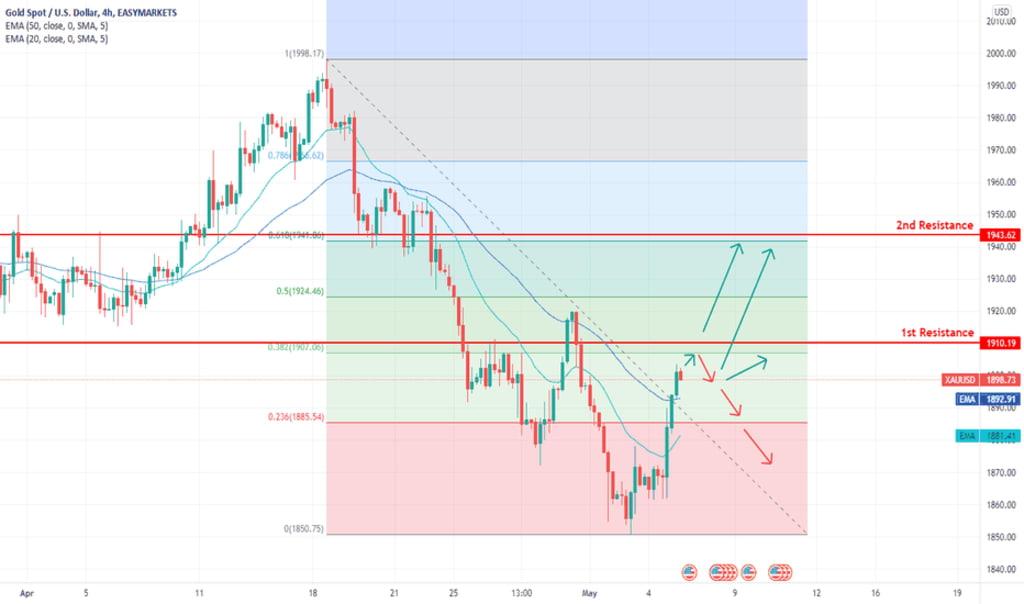
Price action is the movement of a security's price. Price action can be used to identify trends and reversals, as well as support and resistance levels. Price action trading is a popular approach to financial market analysis. There are many different ways to trade price action, but all approaches have one thing in common: they seek to profit from the way that prices move. In this blog post, we'll take a look at some of the basics of price action trading. We'll explore what it is, how it works, and some of the key things to keep in mind when trading on price action. So, let's get started!
What is price action and why is it important in trading
Price action is an important concept used by traders to understand the dynamics of a security’s price movement. Price action trading seeks to understand past, present, and future trends in the market based on the study of how an asset has reacted to news or changes in the environment. Price action traders use chart patterns and price movements, along with other technical indicators such as momentum and volume, to identify trading opportunities. Price action analysis can be used by all types of traders, from scalpers looking for short-term profits to swing traders searching for larger moves over time. Price action helps traders identify where they should enter and exit positions, providing them with greater confidence and better results when entering and exiting trades. Consequently, understanding price action is an essential part of successful trading.
How to read and identify different types of price action
When it comes to reading and identifying different types of price action in the trading markets, one needs to be knowledgeable and diligent. By understanding the concept of support and resistance levels related to a specific stock or cryptocurrency, investors can evaluate potential upsides and downsides in prices. A keen eye for current trends coupled with savvy technical analysis is essential for traders looking to uncover hidden opportunities that could yield turning points in the market. The most successful trading strategies draw upon experience and present palpable facts when analyzing everything from candlestick patterns to volume fluctuations that might signal potential entry points into the market. Keeping a very close watch on prices allows traders to react quickly when changes are observed, enabling them to make well-informed decisions with confidence.
How to use price action to make better trades
Price action is a critical aspect of trading that cannot be overlooked if traders want to be successful. It indicates the past, present, and future movement of prices but can also provide important clues to how markets react to certain news and events. To make more informed trades and better profits, traders should assess all the available price-based information before entering a trade. To do this effectively, traders need to monitor multiple time frames from 1-minute charts up to monthly or weekly charts in order to formulate an overall picture of the market sentiment. These elements combined will improve their chances for success with each trade by providing a greater understanding into the direction and volatility of each price movement.
Some common mistakes traders make with price action
Price action trading can be a powerful tool in the hands of experienced traders who are capable of identifying profitable entry and exit points. However, such traders are all too familiar with mistakes that could cause them huge losses if not avoided. Some of the most common mistakes traders make when relying on price action to inform their decisions concern entering and exiting trades at the wrong times. Traders who don't factor in time frames and other relevant market factors tend to take positions prematurely or remain invested in losing trades too long. Another mistake traders often make is disregarding the overall risk they're taking with any given trade no matter how good the price action looks. The up-front research done beforehand is essential to having success by making sure individual risks are taken into account before trades are made and losses prevented in the long term.
How to avoid those mistakes and become a better trader
Everyone makes mistakes when trading – it's part of the learning process. The key to becoming a better trader is to identify your mistakes and figure out how to avoid them going forward. This may include setting clear goals to prevent yourself from getting distracted, honing your readings for market trends, and taking profits at regular intervals until you understand them better. Trading can also be emotionally taxing, so developing strategies to reduce stress, such as taking breaks after a loss or celebrating small wins, are essential for reducing risk-taking behaviors which can cause major losses. With mindful practice and coaching from an experienced trader, you can take control of your trading journey, become more disciplined with decisions, and move closer to achieving success as a trader.
Price action is vitally important to trading, and being able to read and identify different types of price action can give you a major edge in the market. By understanding how to use price action, you can avoid common mistakes that traders make, and become a better trader overall. If you're interested in learning more about price action and how to trade it effectively, we have a course that can help you out.
About the Creator
Keep reading
More stories from writers in Trader and other communities.
Australia General Insurance Market Set for Strong Growth Amid Digital Innovation and Climate Risks
The Australia General Insurance Market continues to expand significantly as insurers navigate complex risk environments, pricing pressures, and digital transformation.
By Rashi Sharma4 days ago in Trader


Comments
There are no comments for this story
Be the first to respond and start the conversation.