Latest Stories
Most recently published stories in Trader.
Understanding Pre-Interest After-Tax Return of Assets (PIATROA) for Kids: A Simple Example
Pre-Interest After-Tax Return of Assets (PIATROA) is a financial concept that helps us understand how much profit a company or individual is making on their assets after taking into account taxes and interest expenses. Let's break it down and explain it to kids using a simple example:
By Tag Business3 years ago in Trader
Exploring Dividend Payout Ratio (DPR) with a Lemonade Stand Example: Learn about Sharing Profits
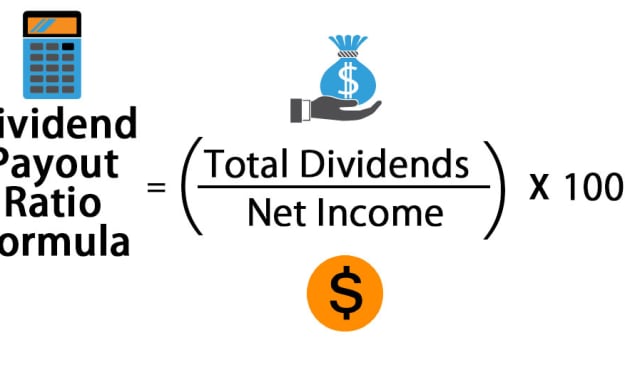
Imagine you have a lemonade stand business with your friends, where you sell lemonade to your neighbors and make a profit. At the end of the month, you count how much money you made from selling lemonade, and you decide to share a portion of your profits with your friends as dividends. The Dividend Payout Ratio is a way to measure how much of your profits you decide to distribute as dividends compared to how much you keep for reinvesting in your business.
By Tag Business3 years ago in Trader
Understanding Net Current Assets: A Simple Example for Kids
Net Current Assets Explained with an Example Managing money is an important skill, and one aspect of financial management is understanding different financial metrics, such as net current assets. Net current assets is a financial term used to measure a company's short-term liquidity, which means its ability to meet its short-term obligations. In this article, we will explain net current assets using a simple example that kids can understand.
By Tag Business3 years ago in Trader
Understanding Cash Earnings Per Share: A Key Metric for Investors
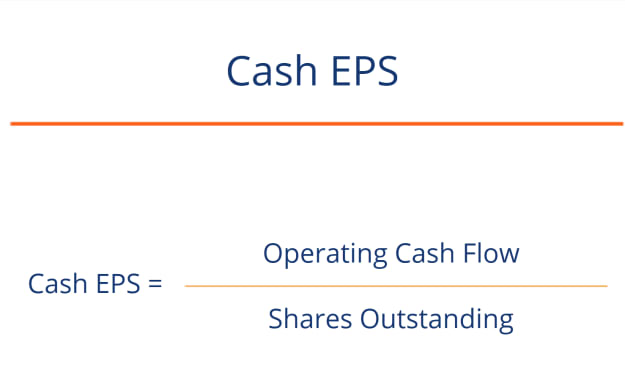
When it comes to evaluating the financial health and performance of a company, there are various metrics that investors use. One such important metric is cash earnings per share (EPS). Cash EPS is a key indicator of a company's ability to generate cash flow from its operations and is widely used by investors to assess a company's profitability and financial strength. In this article, we will delve into the concept of cash EPS and explore its significance for investors, along with an example to illustrate its calculation.
By Tag Business3 years ago in Trader
Demystifying Dividend Yield: A Kid-Friendly Explanation with Examples
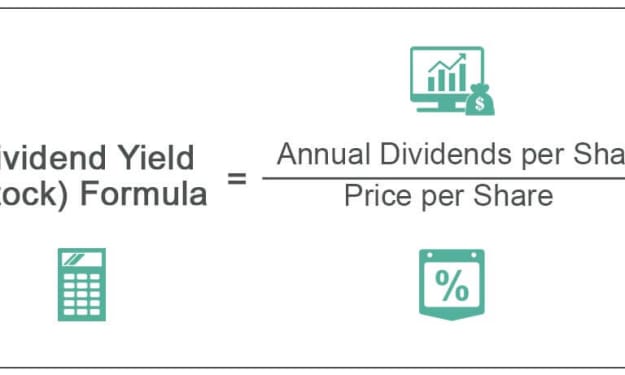
Investing can seem like a complex concept for kids to grasp, but it's never too early to start building their financial literacy. One important aspect of investing is understanding dividend yield, which is a key metric used by investors to evaluate the income potential of a stock. In this article, we will break down the concept of dividend yield in a kid-friendly way, and provide examples to help young aspiring investors better understand this important financial ratio.
By Tag Business3 years ago in Trader
Understanding Asset Turnover Ratio with a Lemonade Stand Example
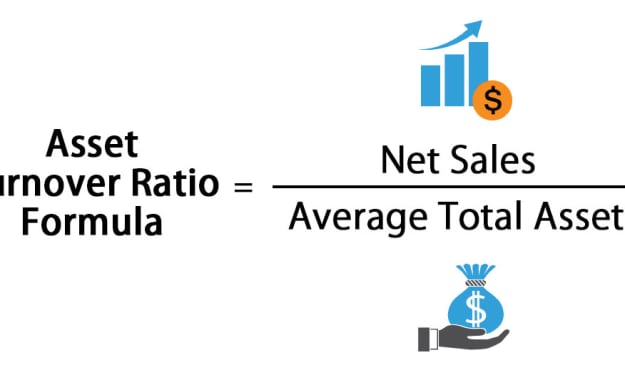
As a young entrepreneur, you might be interested in understanding how well your business is utilizing its assets to generate revenue. One useful financial ratio that can help you assess this is the Asset Turnover Ratio. In this article, we will explain the concept of Asset Turnover Ratio using a simple example of a lemonade stand to help kids understand this financial metric.
By Tag Business3 years ago in Trader
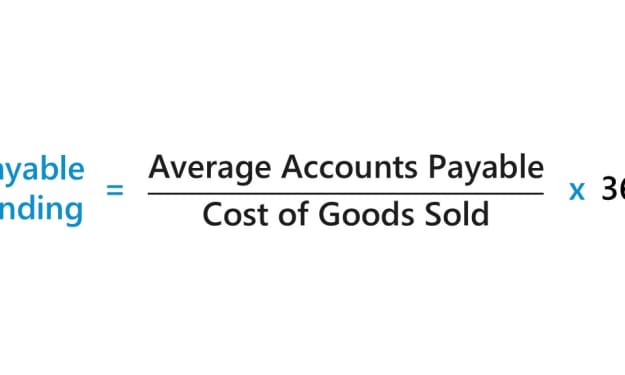
Days Payable Outstanding (DPO) Ratio: A Useful Metric for Managing Vendor Payments - Explained with an Example of a Toy Store
As a business owner, it's important to manage your cash flow effectively. One crucial aspect of cash flow management is keeping track of your payments to vendors, as it directly impacts your working capital and liquidity. One useful metric for this purpose is the Days Payable Outstanding (DPO) ratio, which measures the average number of days it takes for a business to pay its vendors after receiving goods or services. In this article, we will explain the DPO ratio in simple terms using an example of a toy store.
By Tag Business3 years ago in Trader
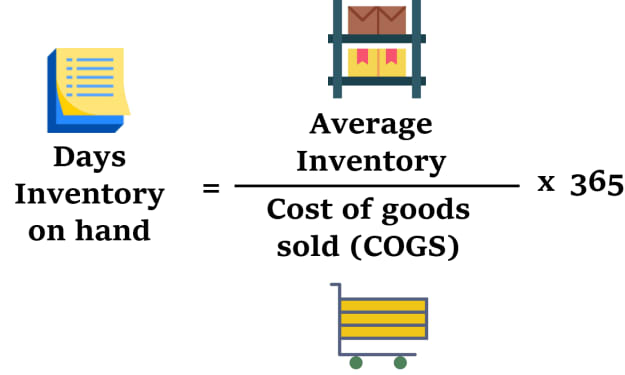
Days Inventory Ratio: Understanding and Managing Inventory for Kids with a Lemonade Stand
As kids, we often engage in various entrepreneurial activities to learn about business and money management. One such common venture is running a lemonade stand, where we sell lemonade to customers. While it may seem simple, there are important concepts in business that even kids can understand and apply to their lemonade stand. One such concept is the Days Inventory Ratio, which is a measure of how effectively we manage our inventory. In this article, we will explore what the Days Inventory Ratio is and how kids can apply it to their lemonade stand business.
By Tag Business3 years ago in Trader
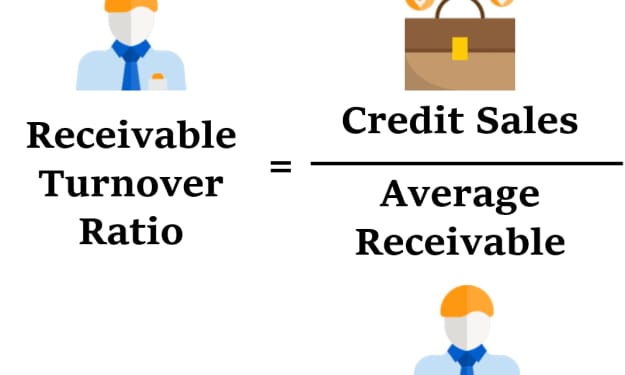
Days Receivables Ratio: A Key Metric for Managing Cash Flow
Managing cash flow is critical for the financial health of any business. One key metric that can help businesses assess their cash flow efficiency is the Days Receivables Ratio. This ratio measures the average number of days it takes for a business to collect payments from its customers after a sale has been made. Understanding and monitoring this ratio can provide valuable insights into a company's liquidity and collection efficiency, which can ultimately impact its profitability and sustainability.
By Tag Business3 years ago in Trader
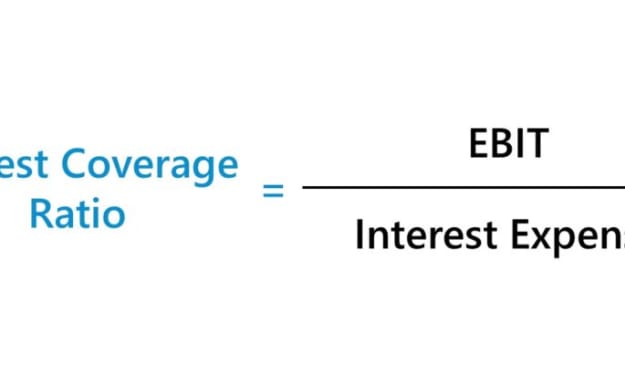
Understanding Interest Coverage Ratio
In the world of finance, there are numerous ratios and metrics used by investors and analysts to evaluate the financial health of a company. One such important ratio is the Interest Coverage Ratio (ICR). The ICR is a financial metric that provides insights into a company's ability to meet its interest obligations on its outstanding debt. It is a crucial tool for assessing a company's debt sustainability and risk of default, and it is widely used by investors, creditors, and financial analysts to evaluate a company's creditworthiness and financial performance.
By Tag Business3 years ago in Trader
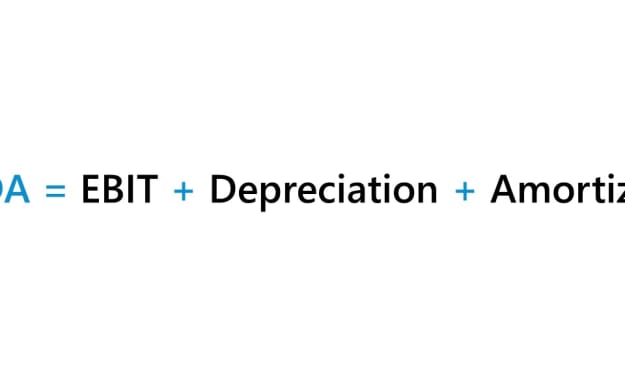
Understanding EBITDA: A Simple Lemonade Stand Example
EBITDA (Earnings Before Interest, Taxes, Depreciation, and Amortization) is a financial metric commonly used by businesses and investors to assess a company's operating performance and financial health. It is a measure of a company's profitability before accounting for interest, taxes, and non-cash expenses such as depreciation and amortization. In this article, we will delve into the concept of EBITDA, discuss its significance, and provide examples of how it is calculated and used in financial analysis.
By Tag Business3 years ago in Trader
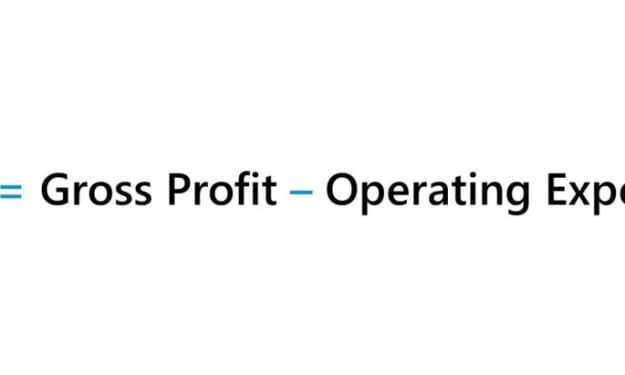
Understanding EBIT for Kids: Explaining Earnings Before Interest and Taxes with a Lemonade Stand Example
EBIT, which stands for Earnings Before Interest and Taxes, is a financial metric that measures the operating profitability of a company before accounting for interest and taxes. It is a widely used indicator in financial analysis and provides insights into a company's core operating performance without the impact of non-operating items such as interest expenses and taxes. In this article, we will explore EBIT in detail and provide an example to illustrate its calculation and interpretation.
By Tag Business3 years ago in Trader