
Days Payable Outstanding (DPO) Ratio: A Useful Metric for Managing Vendor Payments - Explained with an Example of a Toy Store
Importance of Managing Days Payable Outstanding for Kids Running a Lemonade Stand

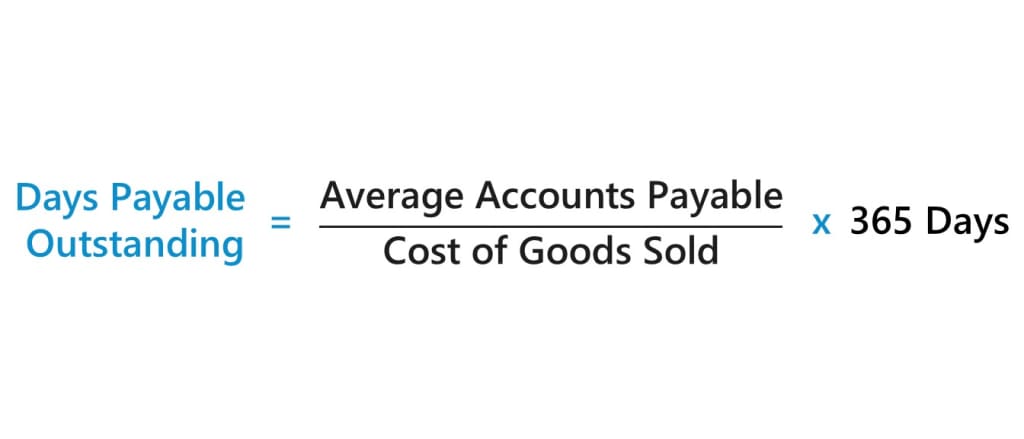
As a business owner, it's important to manage your cash flow effectively. One crucial aspect of cash flow management is keeping track of your payments to vendors, as it directly impacts your working capital and liquidity. One useful metric for this purpose is the Days Payable Outstanding (DPO) ratio, which measures the average number of days it takes for a business to pay its vendors after receiving goods or services. In this article, we will explain the DPO ratio in simple terms using an example of a toy store.
What is the Days Payable Outstanding (DPO) Ratio?
The DPO ratio is a financial metric that helps businesses understand how long, on average, it takes for them to pay their vendors after receiving invoices for goods or services. It is calculated by dividing the total accounts payable by the average daily cost of goods sold (COGS). The formula for calculating DPO is:
DPO = (Accounts Payable / Average Daily COGS)
Where:
Accounts Payable: Represents the total amount owed by the business to its vendors for goods or services that have been delivered but not yet paid for.
Average Daily COGS: Represents the average daily cost of goods sold, which is calculated by dividing the total cost of goods sold by the number of days in the period.
The DPO ratio is expressed in days, and a lower DPO indicates that a business takes longer to pay its vendors, while a higher DPO indicates that a business pays its vendors more quickly.
Example: Toy Store
Let's take an example of a toy store to illustrate the concept of DPO. Imagine a toy store that purchases toys from various suppliers and sells them to customers. The store's total accounts payable at the end of the month is $10,000, and the total cost of goods sold (COGS) for the month is $30,000. The month has 30 days.
Now, let's calculate the DPO ratio for the toy store using the formula mentioned earlier:
Accounts Payable = $10,000
Average Daily COGS = $30,000 / 30 = $1,000
DPO = $10,000 / $1,000 = 10 days
This means that, on average, the toy store takes 10 days to pay its vendors after receiving invoices for goods or services.
Implications of DPO Ratio
The DPO ratio has several implications for a business:
Cash Flow Management: A higher DPO ratio means that a business takes longer to pay its vendors, which can help improve its cash flow by delaying outgoing payments. However, this may also strain vendor relationships if not managed properly.
Working Capital: A higher DPO ratio can also increase a business's working capital as it allows the business to hold onto its cash for a longer period of time, which can be used for other business needs.
Creditworthiness: A lower DPO ratio may signal to vendors that a business pays its bills quickly and is creditworthy, which can help strengthen relationships and potentially negotiate better payment terms in the future.
Operational Efficiency: Monitoring DPO can also help a business identify opportunities to streamline its payment processes, negotiate better payment terms with vendors, and optimize its cash flow management practices.
Summarise
Imagine a lemonade stand operated by a group of kids. They buy lemons from a local farmer to make their lemonade, and the farmer allows them to pay for the lemons at the end of each month. The kids keep track of the number of lemons they buy and the cost of lemons for the month.
At the end of the month, the kids receive an invoice from the farmer for the lemons they purchased. The total amount on the invoice is $50. The kids have been keeping track of their daily sales and expenses and know that their total cost of goods sold (COGS), which includes the cost of lemons, is $150 for the month. The month has 30 days.
Now, let's calculate the DPO ratio for the lemonade stand using the formula mentioned earlier:
Accounts Payable (amount owed to the farmer) = $50
Average Daily COGS (cost of goods sold) = $150 / 30 = $5
DPO = $50 / $5 = 10 days
This means that, on average, the kids take 10 days to pay the farmer after receiving the invoice for the lemons.
So, in kid-friendly terms, the DPO ratio for the lemonade stand is like a measure of how long it takes for them to pay the farmer for the lemons they used to make their lemonade. A lower DPO would mean they take longer to pay, while a higher DPO would mean they pay more quickly.
Just like in the toy store example, the DPO ratio for the lemonade stand can also have implications for their cash flow, working capital, and vendor relationships. If the kids take longer to pay the farmer, it may affect their cash flow as they need to hold onto the money for a longer period of time. On the other hand, if they pay quickly, it may help maintain a good relationship with the farmer and potentially negotiate better payment terms in the future.
Conclusion
The Days Payable Outstanding (DPO) ratio is a valuable metric for businesses to monitor their payment practices and manage their cash flow effectively. By calculating and analyzing the DPO ratio, businesses can gain insights into their payment patterns, optimize working capital, and maintain strong vendor relationships. It's important to note that DPO ratio should be considered in conjunction with other financial metrics and business factors to get a comprehensive the DPO ratio is a useful financial metric even for kids to understand how long it takes for them to pay their vendors after receiving invoices for goods or services, and how it can impact their business operations.
About the Creator
Tag Business
I Will Providing Various Company Information
Keep reading
More stories from Tag Business and writers in Trader and other communities.
Days Inventory Ratio: Understanding and Managing Inventory for Kids with a Lemonade Stand
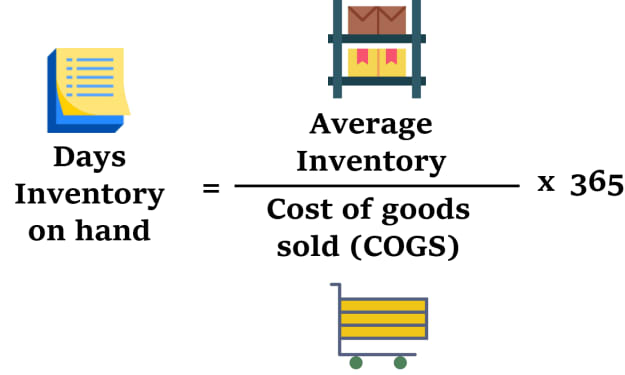
As kids, we often engage in various entrepreneurial activities to learn about business and money management. One such common venture is running a lemonade stand, where we sell lemonade to customers. While it may seem simple, there are important concepts in business that even kids can understand and apply to their lemonade stand. One such concept is the Days Inventory Ratio, which is a measure of how effectively we manage our inventory. In this article, we will explore what the Days Inventory Ratio is and how kids can apply it to their lemonade stand business.
By Tag Business3 years ago in Trader
Intel Stock: Could This Tech Leader Make a Big Comeback in 2026?
Intel Stock is drawing attention again after years of slow growth. Investors are asking: Could Intel Stock make a big comeback in 2026? For anyone looking for long-term potential, understanding Intel Stock now may be important. Intel Stock represents a company that has shaped the computer world for decades. While the stock price has struggled recently, changes in leadership, technology, and global demand suggest that Intel Stock could rise again. They will explore why Intel Stock may be undervalued, what is changing, and why it could become a top choice for patient investors. You can also read more about top tech stocks to watch in 2026 for further insights.
By hamza mirza4 days ago in Trader
The Path to Salvation
The late autumn evening air filled the monk's lungs, but it wasn't the season that chilled his bones. The heavy-handed presence of evil he had sensed upon entering the woods surrounding this mountain village had not bothered to conceal itself from him.
By Made in DNA4 days ago in Fiction



Comments
There are no comments for this story
Be the first to respond and start the conversation.