
How to Start Gold Trading: A Simple Guide for New Traders
Learn how to start gold trading as a beginner. Understand how gold works, what moves its price, and the best strategies to trade gold confidently.

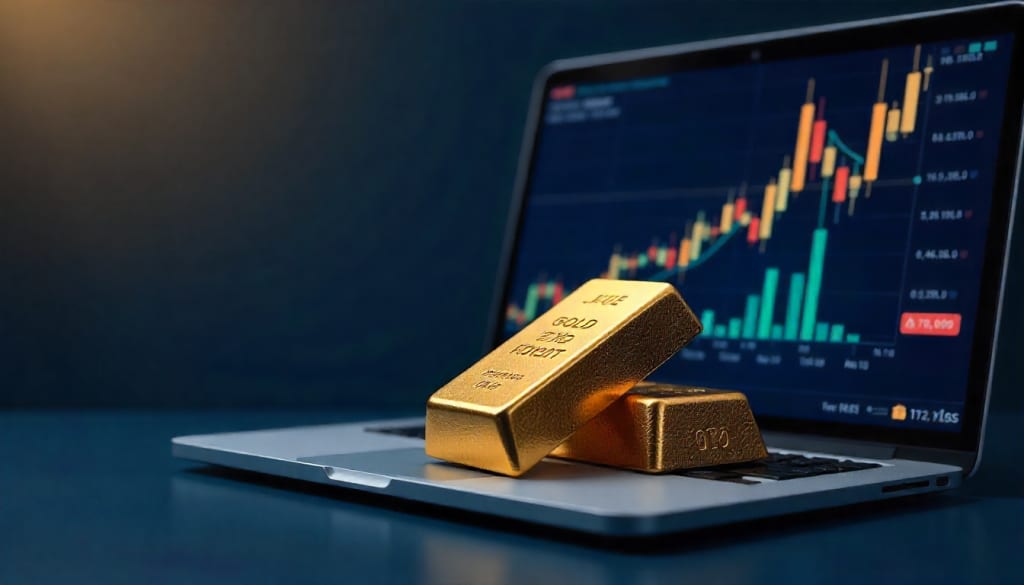
Gold has been one of the world’s most valuable assets for centuries—and today. Whether the markets are rising or falling, gold often behaves differently from other assets, making it a powerful tool for hedging, diversification, and profit opportunities.
For beginners, gold trading may seem complex, but once you understand how it works, it becomes one of the most exciting and rewarding markets to participate in.
This beginner’s guide will walk you through everything you need to know—how gold trading works, what moves gold prices, the best gold trading strategies for beginners, and step-by-step instructions to start trading confidently.
What is Gold Trading?
Gold trading is the process of buying and selling gold to profit from changes in its price. Instead of physically owning gold in the form of jewelry or bars, most modern traders trade gold digitally through financial markets.
In simple terms, you trade the price of gold, not the physical metal.
Gold is one of the most traded commodities in the world, especially during times of economic uncertainty. Its price moves throughout the day, creating opportunities for traders to buy low and sell high or sell high and buy low.
How Gold Trading Works?
When you trade gold, you’re taking advantage of price movements. If you expect the price to rise, you buy (go long). If you expect the price to fall, you sell (go short). This flexibility makes gold popular for both short-term and long-term traders.
Gold can be traded in several forms:
- Spot Gold (XAU/USD): The most common way to trade gold. You trade gold against the US dollar in real-time.
- Gold CFDs (Contracts for Difference): You speculate on price movements without owning the actual gold.
- Gold Futures: Agreements to buy or sell gold at a future date.
- Gold ETFs: Exchange-traded funds that track gold’s price.
- Physical Gold: Bars, coins, or jewelry—more for holding than trading due to slow price movement and storage needs.
What Moves Gold Prices?
Gold prices change because of several major economic and market factors. Understanding these influences helps beginners make more informed trading decisions and recognize why gold behaves the way it does.
US Dollar Strength (Inverse Relationship)
Gold is priced in US dollars globally, which creates an inverse relationship between the two.
When the USD strengthens, gold prices usually fall.
When the USD weakens, gold prices usually rise.
Interest Rates & Inflation
Interest rates and inflation are two of the strongest drivers of gold prices. High inflation usually pushes gold higher because investors look for assets that can hold value.
On the other hand, rising interest rates make the dollar stronger and reduce the appeal of gold, which does not generate interest, often resulting in lower prices. When interest rates drop, gold tends to gain support.
Economic Data & Global Market Conditions
Gold reacts heavily to overall economic performance. During times of uncertainty—such as recession fears, weak economic reports, or unexpected financial stress—investors often turn to gold for stability.
This increased demand can push gold prices higher. When the economy is strong and confidence is high, gold may lose some of its appeal.
Geopolitical Events
Major global events such as wars, political conflicts, or unexpected geopolitical tensions have a strong influence on gold. When global risks rise, traders and institutions usually seek safe-haven assets like gold, increasing its demand and price. When stability returns, the price often cools down.
Central Bank Policies
Decisions by central banks—especially the US Federal Reserve—can influence gold prices through:
Interest rate changes
Monetary policy
Economic forecasts
A dovish (soft) policy supports gold; a hawkish (strict) policy often pushes gold down.
Supply & Demand
While gold trading is mostly influenced by financial markets, physical supply and demand also matter. Factors such as jewelry demand, industrial use, central bank gold purchases, and mining output contribute to price movements. When supply is limited or demand increases, prices can rise.
Market Sentiment
Gold is heavily influenced by fear and risk sentiment:
Risk-off sentiment → gold rises
Risk-on sentiment → gold falls
This makes gold a key asset during market stress.
How to Start Gold Trading (Beginner Step-by-Step)
Gold trading may seem complex at first, but by following a step-by-step approach, beginners can start gold trading confidently and minimize risk.
Here’s how to begin:
Step 1: Choose a Regulated Broker
The first step is to select a trustworthy and regulated broker. Look for brokers licensed by authorities such as the FCA, ASIC, or CySEC. A good broker also provides access to gold trading instruments such as spot gold, CFDs, or ETFs.
Step 2: Open a Trading Account
Once you have chosen a broker, open a trading account. Beginners should start with a demo account to practice trading without risking real money.
Step 3: Learn How to Read Gold Charts
Trading gold successfully requires understanding how prices move. Begin with basic chart patterns, candlestick formations, and trendlines. Technical indicators such as moving averages, RSI, and MACD can help identify trends and potential entry or exit points.
Step 4: Follow Expert Trader’s Trade
As a newbie trader, observing experienced gold traders' trades can provide valuable insights. Many traders use gold trading signals or trade alerts to understand market patterns, entry and exit strategies, and risk management in real-world conditions.
However, it’s important to analyze the signals yourself and not rely on them blindly, as market conditions can change rapidly.
Step 5: Develop a Trading Strategy
Before trading with real money, decide on a strategy that matches your goals and risk tolerance. Whether it’s trend-following, breakout trading, or swing trading, having a plan prevents emotional decisions and reduces the chances of significant losses.
Step 6: Implement Risk Management
Risk management is critical in gold trading. Decide in advance how much of your account you are willing to risk per trade, and always use stop-loss orders. Proper position sizing and disciplined money management protect your capital from unexpected market movements.
Step 7: Start Small
When transitioning from a demo to a live account, start with small trades. This helps you gain real-market experience while keeping losses manageable. As confidence and skill grow, gradually increase your trade size.
Conclusion
Gold trading offers beginners a simple way to enter the financial markets with a globally trusted asset. By choosing a regulated broker, practicing on a demo account, learning basic chart reading, and observing experienced traders, new traders can build confidence step by step.
With the right strategy, proper risk management, and patience, gold trading becomes easier to understand over time. Stay consistent, keep learning, and you’ll be better equipped to navigate price movements and make informed trading decisions.
About the Creator
Teresa Pro
I publish data-driven insights, trading strategies, and market commentary tailored for both new and seasoned traders.
Keep reading
More stories from Teresa Pro and writers in Trader and other communities.
Christmas Holiday Season Trading Plan Every Retail Trader Should Know
It’s December. Festive vibes everywhere. But the forex market? Practically frozen. You open your trading platform and see your trades drifting the wrong way. Spreads jump. Stop-Losses creep closer.
By Teresa Pro23 days ago in Trader
Australia Hearing Aids Market to Expand to USD 639.1 Million by 2033 on Aging Population & Tech Innovation
The Australia hearing aids market is experiencing steady expansion as demographic and technological trends reshape demand for auditory healthcare solutions. According to IMARC Group, the market reached USD 383.0 million in 2024 and is forecast to grow to USD 639.1 million by 2033, registering a compound annual growth rate (CAGR) of 6.15 % during 2025–2033. This growth reflects rising incidence of hearing loss, increased healthcare spending, broader insurance coverage and innovation in digital and wearable hearing technologies.
By Rashi Sharma5 days ago in Trader
Philippines CT Scanners Market: Diagnostic Imaging Growth, Healthcare Modernisation & Technology Adoption
Philippines CT Scanners Market Overview The Philippines CT scanners market is experiencing strong growth as healthcare systems modernise, diagnostic imaging awareness increases, and technological advancements improve clinical outcomes. Computed Tomography (CT) scanners — essential radiology equipment that provides detailed cross-sectional images for disease diagnosis, trauma evaluation and treatment planning — are increasingly utilised across hospitals, diagnostic centres and specialty clinics nationwide. The Philippines CT scanners market size reached USD 196.65 Million in 2025. The market is projected to reach USD 355.98 Million by 2034, growing at a CAGR of 6.82% during 2026-2034. This expansion reflects rising healthcare demand, increased investment in medical infrastructure, and broader adoption of advanced imaging modalities that support early detection, personalised care and improved clinical workflows.
By Manisha Dixit6 days ago in Trader


Comments