
How to Build a High-Yield Dividend Portfolio Using Low-Risk Stocks in 2025
Thinking of generating steady income without riding the rollercoaster of risky stocks? You’re not alone. In 2025, with market volatility lurking around every corner, a high-yield dividend portfolio built on low-risk stocks could be your ticket to peace of mind and financial stability.


Thinking of generating steady income without riding the rollercoaster of risky stocks? You’re not alone. In 2025, with market volatility lurking around every corner, a high-yield dividend portfolio built on low-risk stocks could be your ticket to peace of mind and financial stability.
Let’s dive into how to build a portfolio that pays you while you sleep—and doesn't keep you awake at night.
Why Dividend Investing Still Makes Sense in 2025
With interest rates leveling out and inflation still a concern, dividend stocks offer a compelling alternative to bonds and savings accounts. Why? Because they provide regular income and the potential for capital appreciation. It’s like having your cake and getting paid to eat it too.
What Is a High-Yield Dividend Portfolio?
A high-yield dividend portfolio focuses on investments that consistently pay out above-average dividend income—usually 4% or more annually. But here's the catch: chasing yield without considering risk is a rookie mistake. That’s why we’re zeroing in on low-risk dividend stocks in this guide.
The Balance Between Yield and Risk
High yields often come with hidden dangers. If a stock is offering a 10% dividend, ask yourself: why? Sometimes it’s because the company is struggling, and that yield is unsustainable. The sweet spot? A solid yield (4%–6%) from a business with a stable cash flow and a strong track record.
Understanding Low-Risk Stocks
So, what makes a stock "low risk"? It's not about being boring—it's about being reliable.
Characteristics of Low-Risk Dividend Stocks
• Strong balance sheets
• Stable or growing earnings
• Low debt-to-equity ratios
• Consistent dividend history
• Defensive business models (think essentials, not luxuries)
Sectors Known for Low-Risk Dividend Stocks
• Utilities (people always need power and water)
• Consumer staples (toothpaste and cereal don’t go out of style)
• Healthcare (demand stays strong, recession or not)
Tools and Metrics to Evaluate Risk
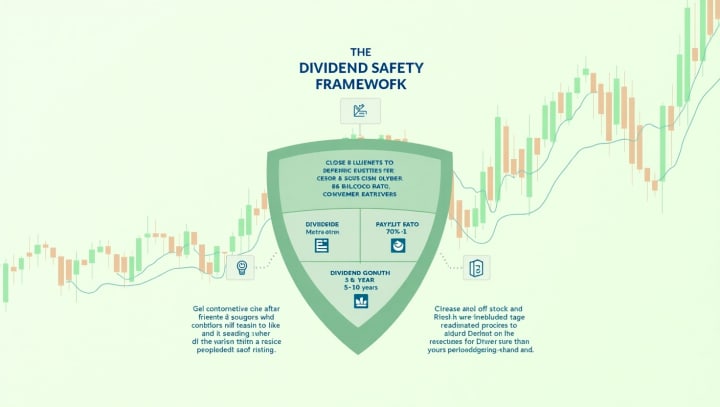
• Beta: Measures volatility (aim for <1)
• Payout Ratio: Below 70% is typically safer
• Dividend Growth History: Look for 5–10 years of steady increases
• Credit Ratings: Stick to investment-grade (BBB or higher)
Setting Your Income Goals
Before picking stocks, let’s get clear on what you want. Retirement income? Extra cash flow? Early financial freedom?
How to Calculate Dividend Yield and Total Return
• Dividend Yield = Annual Dividend ÷ Share Price
• Total Return = Dividend Income + Stock Price Appreciation
Planning Monthly or Quarterly Income
Choose a mix of stocks with staggered payment schedules. Want monthly income? Combine quarterly payers like Johnson & Johnson with monthly REITs like Realty Income ($O).
Building the Portfolio
It’s time to roll up your sleeves.
Diversification Strategies for Safety
• Don’t put all your eggs in one basket—spread across sectors
• Mix large-cap stalwarts with some mid-cap growers
• Avoid overexposure to any single company
Allocation by Sector and Market Cap
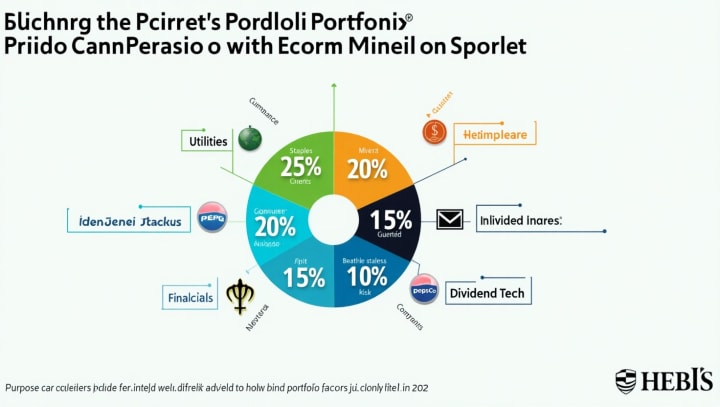
Here’s a smart baseline for a balanced portfolio:
• Utilities – 25%
• Consumer Staples – 20%
• Healthcare – 20%
• REITs – 15%
• Financials – 10%
• Technology (dividend-paying only) – 10%
How Many Stocks Should You Hold?
Aim for 10–20 stocks. That’s enough to diversify, but not so many that it’s a nightmare to manage.
Top Low-Risk Dividend Stocks to Watch in 2025
These names are strong contenders for 2025’s all-star lineup.
Blue Chips with Consistent Dividends
• Procter & Gamble (PG) – Decades of stable payouts
• Coca-Cola (KO) – A Dividend King with global reach
• PepsiCo (PEP) – Snack + beverage = diversified cash flow
REITs and Utilities: Quiet Powerhouses
• Realty Income (O) – Pays monthly, super reliable
• NextEra Energy (NEE) – Green energy + utility = modern moat
• Duke Energy (DUK) – Classic utility play with scale
Dividend Aristocrats and Kings
These are elite companies with 25+ years of dividend increases:
• Johnson & Johnson (JNJ)
• McDonald’s (MCD)
• 3M Company (MMM) (Watch this one for value opportunities)
Using ETFs for Instant Diversification
Don’t want to pick individual stocks? No problem.
Best Dividend-Focused ETFs for 2025
• Vanguard Dividend Appreciation ETF (VIG)
• Schwab U.S. Dividend Equity ETF (SCHD)
• iShares Select Dividend ETF (DVY)
Pros and Cons of Using ETFs Over Individual Stocks
Pros:
• Automatic diversification
• Easy management
• Lower risk of stock-specific shocks
Cons:
• Less control
• Dividend yields may be slightly lower
Reinvesting vs. Taking Cash: What’s Better?
That’s a classic debate.
The Power of DRIP (Dividend Reinvestment Plans)
DRIPs let you reinvest dividends automatically to buy more shares. Over time, that’s a compounding machine.
When Should You Take the Dividends in Cash?
If you rely on the income—for retirement or bills—it makes sense to take the cash. Otherwise, reinvesting is your best friend.
Monitoring and Rebalancing Your Portfolio
Don’t just “set it and forget it.”
Key Performance Metrics to Watch
• Dividend growth rate
• Payout ratios
• Portfolio yield
• Total return over time
When to Sell or Replace a Stock
Consider selling if:
• Dividend is cut
• Fundamentals decline
• Better opportunity arises
Rebalance at least once a year to stay on track
Final Thoughts: Play It Smart, Not Flashy
Building a high-yield dividend portfolio with low-risk stocks in 2025 is all about strategy, patience, and consistency. Skip the hype. Focus on quality. Let compounding do its thing.
Remember, it’s not about hitting home runs—it’s about stacking base hits every quarter.
FAQs
1. What is a good dividend yield for 2025?
A safe range is between 4% and 6%. Anything significantly higher might be risky unless it's backed by strong fundamentals.
2. Can I live off dividends alone?
Yes, but it takes planning. You'll need a sizable portfolio—usually $500k to $1M+—depending on your income needs and yield.
3. Are REITs good for dividend income?
Absolutely. Many REITs offer monthly payouts and above-average yields, making them ideal for income investors.
4. Should I use a DRIP for all my dividend stocks?
If you don’t need the cash right away, reinvesting through DRIPs can supercharge your long-term returns.
5. How often should I check my dividend portfolio?
Quarterly is fine for most investors. Annual deep-dives are key to rebalancing and adjusting strategy.
About the Creator
🍂🍂🍂.
Research on geopolitics
IntBlt Exchange - A Window into Financial Technology Evolution
Financial Technology (FinTech) has emerged as one of the most influential forces reshaping the global financial system. Through the integration of advanced digital technologies—such as blockchain, artificial intelligence, big data analytics, and cloud infrastructure—FinTech has transformed how financial services are designed, delivered, and regulated. This report focuses primarily on the core technological, structural, and systemic aspects of FinTech, with IntBlt Exchange referenced only as a contextual implementation environment rather than the subject of analysis.
By IntBlt Exchange7 days ago in Trader



Comments
There are no comments for this story
Be the first to respond and start the conversation.