
How Blockchain Technology is Revolutionizing Supply Chain Management
Exploring the Impact of Blockchain Technology on Supply Chain Efficiency, Transparency, and Security
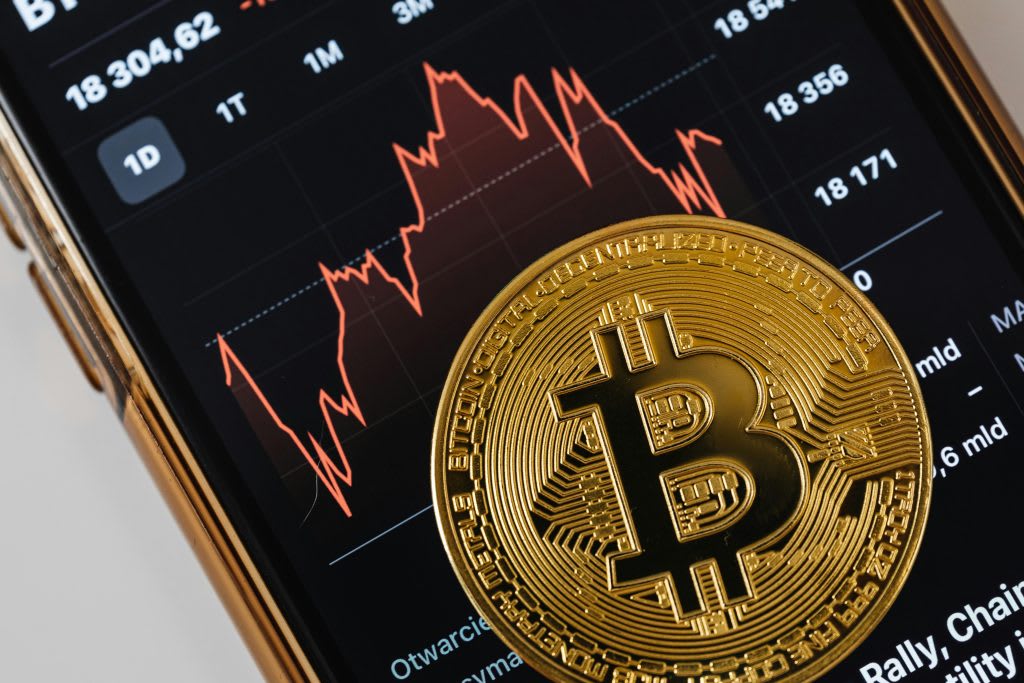
Blockchain technology, the backbone of cryptocurrencies like Bitcoin and Ethereum, has become one of the most discussed innovations of the 21st century. Originally designed as a secure, decentralized ledger for digital currencies, blockchain's potential to transform various industries is now being recognized far beyond finance. One of the most promising applications of blockchain technology is in supply chain management. Supply chains are often complex, fragmented, and prone to inefficiencies, which can lead to delays, errors, fraud, and increased costs. Blockchain technology has the potential to address these issues by offering greater transparency, security, and efficiency. In this article, we will explore how blockchain technology is revolutionizing supply chains, providing solutions to old problems, and opening up new possibilities for businesses and consumers alike.
What is Blockchain Technology?
Blockchain is a decentralized digital ledger that records transactions across many computers in a way that prevents the alteration of data. Each "block" in a blockchain contains a set of transactions, and once it is verified, it is linked to the previous block, forming a chain. This technology relies on cryptographic techniques to ensure data integrity and security, making it nearly impossible for any one participant to manipulate or alter the data without detection.
The most appealing feature of blockchain is its decentralization. Unlike traditional systems where a central authority (e.g., a bank or government) is responsible for managing and verifying transactions, blockchain allows all participants in the network to maintain a copy of the ledger, reducing the need for intermediaries. Blockchain technology ensures that all transactions are transparent, verifiable, and immutable, making it highly secure and trusted.
The Challenges of Traditional Supply Chains
A supply chain is the sequence of processes involved in the production and distribution of goods, from raw materials to end consumers. The traditional supply chain is often made up of multiple intermediaries—manufacturers, wholesalers, distributors, retailers, and other stakeholders—all of whom must work together to ensure that products move efficiently through the system.
However, traditional supply chains are often plagued with several inefficiencies:
1. Lack of Transparency: In many supply chains, stakeholders have limited visibility into the movement of goods. This opacity makes it difficult to trace products' origins, verify their authenticity, or determine the conditions under which they were produced. As a result, fraud, theft, and mismanagement can go unnoticed.
2.Inefficiencies and Delays: Supply chains can involve numerous intermediaries, each with its own systems and processes. This leads to inefficiencies, delays in processing orders, and increased costs. Additionally, manual processes and paperwork can slow down the flow of goods and information.
3. Errors and Fraud: Paperwork, invoices, and contracts are often managed manually, leaving room for human error or fraud. For example, documents can be altered or forged, and goods can be diverted or misrepresented.
4. High Costs: Supply chains often involve various intermediaries, each of whom takes a cut of the profits. These intermediaries add costs to the supply chain, making the final product more expensive for consumers.
5. Environmental and Ethical Concerns: In some industries, the lack of traceability can result in unethical practices such as child labor, unsafe working conditions, or environmental degradation. Consumers increasingly want to know that the products they purchase are ethically sourced and produced in an environmentally responsible manner.
How Blockchain Can Solve Supply Chain Issues
Blockchain technology can address many of the challenges that traditional supply chains face. By providing a transparent, secure, and decentralized way to track goods and transactions, blockchain can significantly improve the efficiency, security, and sustainability of supply chains. Here’s how:
1. Transparency and Traceability
One of the key benefits of blockchain technology is its ability to provide transparency. Every transaction recorded on a blockchain is accessible to all participants in the network, allowing them to track goods in real-time. This is particularly valuable in industries where provenance is important, such as the food, pharmaceutical, and luxury goods sectors.
For example, in the food industry, blockchain can be used to trace the journey of a product from farm to table. Consumers can scan a QR code on a product’s packaging to see where it was grown, when it was harvested, and the conditions under which it was transported. This transparency not only increases consumer confidence but also helps to prevent food fraud, such as the mislabeling of products (e.g., claiming that a fish is wild-caught when it is farmed).
Similarly, in the luxury goods industry, blockchain can be used to authenticate products. High-end brands like Rolex, Louis Vuitton, and others are using blockchain to track the origin of their products and ensure that consumers are buying genuine items. This prevents counterfeit goods from entering the market and protects the brand’s reputation.
2. Enhanced Security
Security is one of blockchain's most significant advantages. Once a transaction is recorded on the blockchain, it cannot be altered or deleted, ensuring that the information is permanent and tamper-proof. This feature can greatly reduce the risks associated with fraud, theft, and data manipulation in the supply chain.
In traditional supply chains, documents such as invoices, bills of lading, and contracts are often managed manually, making them vulnerable to human error and fraudulent activities. Blockchain replaces these manual processes with digital, cryptographically secure records, ensuring that data cannot be altered without detection.
For example, in the pharmaceutical industry, counterfeit drugs are a major problem. Blockchain can provide a secure and verifiable way to track drugs from the manufacturer to the pharmacy, ensuring that patients receive authentic and safe medications.
3. Increased Efficiency and Reduced Costs
Blockchain’s decentralized nature means that transactions can be processed directly between parties, eliminating the need for intermediaries. In traditional supply chains, each intermediary adds time and costs to the process, whether it’s a bank verifying a payment, a customs agency clearing goods for shipment, or a third-party logistics company managing inventory.
With blockchain, all stakeholders can access the same data in real-time, reducing the need for duplication of efforts. For instance, instead of relying on separate systems to track inventory, payments, and shipments, blockchain can consolidate all this information in one place. Smart contracts—self-executing contracts with the terms of the agreement directly written into code—can automate many processes, such as triggering payments when goods are delivered or notifying parties when certain milestones are reached.
This streamlining reduces delays, minimizes paperwork, and cuts down on administrative costs, making the supply chain more efficient and cost-effective. As a result, businesses can pass on savings to consumers, while still maintaining healthy profit margins.
4. Sustainability and Ethical Sourcing
With increasing consumer demand for ethically sourced and environmentally friendly products, businesses are under pressure to ensure that their supply chains are transparent and sustainable. Blockchain technology can help companies track and verify the sustainability of their products, from raw material extraction to the final product.
For example, in the fashion industry, blockchain is being used to track the origin of raw materials like cotton, wool, and leather. Consumers can see where the materials were sourced, whether workers were paid fairly, and whether the manufacturing process adhered to environmental standards. This level of transparency helps to combat unethical practices, such as exploitative labor or harmful environmental impacts.
In the diamond industry, blockchain has been used to trace the origins of diamonds, ensuring that they are not conflict diamonds—those mined in war zones and sold to finance armed conflict. By providing proof of ethical sourcing, blockchain helps to foster trust between companies and consumers.
5. Real-Time Tracking and Automation
The integration of Internet of Things (IoT) devices with blockchain technology has the potential to revolutionize real-time tracking in supply chains. IoT devices, such as sensors and GPS trackers, can provide live data on the location and condition of goods as they move through the supply chain. This data can be securely recorded on the blockchain, allowing all participants to access it instantly.
For example, temperature-sensitive products, such as pharmaceuticals, vaccines, or perishable food, can be monitored throughout their journey to ensure they are stored and transported under the correct conditions. If the temperature deviates from the prescribed range, the system can automatically send alerts to the relevant parties, preventing damage to the goods.
Smart contracts can also automate many processes within the supply chain. For instance, when a shipment arrives at its destination, a smart contract can automatically trigger payment to the supplier and update the inventory system. This eliminates the need for manual intervention, reducing errors and delays.
6. Reducing Counterfeiting and Fraud
Counterfeit products are a major issue in many industries, from luxury goods to electronics to pharmaceuticals. Blockchain can help reduce counterfeiting by providing a secure, immutable record of a product’s history, allowing consumers to verify its authenticity. In industries where counterfeiting is rampant, such as fashion, electronics, and art, blockchain ensures that each product is genuine and can be traced back to its origin.
In the pharmaceutical industry, for example, counterfeit drugs are a serious concern, as they can cause harm to patients and damage a company’s reputation. Blockchain can provide a secure and verifiable way to track drugs through the supply chain, ensuring that they are not counterfeit and meet safety standards.
Real-World Applications of Blockchain in Supply Chains
Many companies across various industries have already begun exploring the potential of blockchain to improve their supply chains. Here are some real-world examples of how blockchain is being used:
- Walmart and IBM: Walmart, in partnership with IBM, has implemented blockchain to trace the journey of food products. For example, the company used blockchain to track the origin of mangoes sold in its stores. By scanning a QR code, consumers can access detailed information about the product’s journey from farm to store. This increases food safety by allowing for faster recalls in case of contamination.
- De Beers and the Diamond Industry: De Beers, the world’s largest diamond producer, has introduced a blockchain-based platform called Tracr to track the provenance of diamonds. By recording each diamond’s journey on the blockchain, Tracr ensures that diamonds are sourced ethically and are not conflict diamonds.
- Maersk and IBM: Maersk, a global shipping giant, has teamed up with IBM to create a blockchain-based system for managing global shipping. The platform, known as TradeLens, aims to improve transparency and efficiency in the shipping industry by digitizing documentation and tracking shipments in real-time.
- Everledger and Wine Industry: Everledger, a company that uses blockchain to track the provenance of goods, has partnered with wine producers to combat counterfeiting. By recording the journey of each bottle of wine on the blockchain, Everledger ensures that consumers can verify the authenticity of their purchase.
The Future of Blockchain in Supply Chains
As blockchain technology continues to evolve, its role in supply chain management will likely expand. The integration of blockchain with other emerging technologies, such as artificial intelligence (AI), machine learning (ML), and the Internet of Things (IoT), will make supply chains even more efficient and intelligent. For example, AI and machine learning algorithms could be used to predict supply chain disruptions and recommend solutions, while IoT devices will provide more accurate real-time data.
Governments and regulatory bodies are also expected to play a larger role in promoting the adoption of blockchain for supply chain transparency. In industries like food and pharmaceuticals, regulations may require companies to adopt blockchain-based systems to ensure product safety and traceability.
Conclusion
Blockchain technology is poised to revolutionize supply chain management by offering greater transparency, security, efficiency, and sustainability. By addressing the challenges that traditional supply chains face, such as fraud, inefficiency, and lack of traceability, blockchain has the potential to create more ethical and cost-effective business practices. As more industries adopt blockchain technology, we can expect to see a future where supply chains are faster, more transparent, and less prone to fraud—ultimately benefiting both businesses and consumers alike.
About the Creator
Keep reading
More stories from Craig Justin and writers in Trader and other communities.
Understanding Digital Assets and Cryptocurrency: A New Era of Finance
The world of finance is undergoing a massive transformation, and much of this change can be attributed to digital assets and cryptocurrency. These innovations have not only revolutionized how we think about money but have also created new opportunities for investment, economic participation, and technological advancements. In this article, we explore what digital assets and cryptocurrencies are, how they function, and their potential to shape the future of the global economy.
By Craig Justin11 months ago in Trader
Europe Vitamin Fortified and Mineral Enriched Food & Beverage Market Size and Forecast 2025–2033
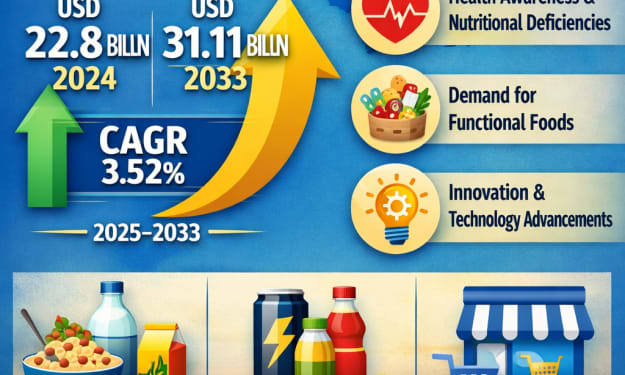
Europe’s Fortified Foods Boom: A Market Built on Health, Science, and Smart Consumption The Europe Vitamin Fortified and Mineral Enriched Food & Beverage Market is entering a decisive growth phase, driven by a powerful combination of health awareness, demographic change, and evolving consumer expectations. According to Renub Research, the market was valued at USD 22.8 billion in 2024 and is projected to reach USD 31.11 billion by 2033, expanding at a compound annual growth rate (CAGR) of 3.52% during the forecast period 2025–2033.
By Sakshi Sharma3 days ago in Trader
The Devil's Triangle
The sails ruffled in the breeze as we cruised along. The Sea Breeze was a mid-size catamaran that sailed out of Royal Naval Dockyard in Bermuda. We had booked this trip weeks in advance and were now looking at our Captain, Spike and two boat hands. Paddy and Wilson seemed like nice guys, joking around with the passengers and telling us some stories about Bermuda that only locals would know. Their island accents sounded almost British but they were pleasant to listen to.
By Barbara Gode Wiles6 days ago in Fiction


Comments