
Understanding Digital Assets and Cryptocurrency: A New Era of Finance
Understanding the Impact of Digital Assets and Cryptocurrencies on Modern Finance
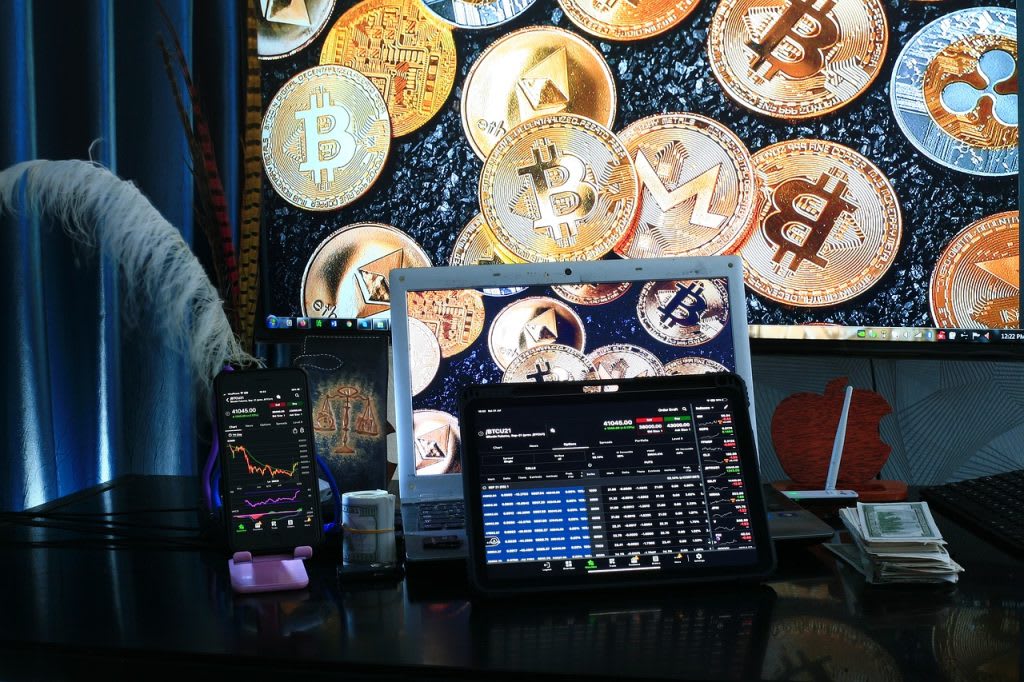
The world of finance is undergoing a massive transformation, and much of this change can be attributed to digital assets and cryptocurrency. These innovations have not only revolutionized how we think about money but have also created new opportunities for investment, economic participation, and technological advancements. In this article, we explore what digital assets and cryptocurrencies are, how they function, and their potential to shape the future of the global economy.
What Are Digital Assets?
At its core, a digital asset is anything that exists in a digital format and holds value. Unlike physical assets such as real estate or gold, digital assets are intangible and exist only in electronic form. Digital assets can range from files such as documents, photos, or videos, to more complex entities like cryptocurrencies, tokens, and non-fungible tokens (NFTs).
One key characteristic of digital assets is their ability to be easily traded, stored, and transferred over the internet. This ability has made them particularly attractive in the rapidly evolving world of decentralized finance (DeFi). Digital assets are also typically built on blockchain technology, which provides a secure and transparent ledger for transactions.
Cryptocurrency: The Digital Money Revolution
Cryptocurrency is one of the most well-known types of digital asset. It is a form of digital or virtual currency that uses cryptography for security, making it highly secure and difficult to counterfeit. Unlike traditional fiat currencies, cryptocurrencies operate on decentralized networks based on blockchain technology, which allows for peer-to-peer transactions without the need for intermediaries such as banks or governments.
The most popular cryptocurrency is Bitcoin (BTC), created in 2009 by the pseudonymous figure Satoshi Nakamoto. Bitcoin was designed as an alternative to traditional currencies, with the goal of providing a decentralized, digital form of money that could operate without government control. Since Bitcoin's creation, thousands of other cryptocurrencies have been developed, including Ethereum (ETH), Litecoin (LTC), and Ripple (XRP).
How Do Digital Assets and Cryptocurrencies Work?
Digital assets, including cryptocurrencies, rely on blockchain technology. A blockchain is a distributed ledger that records transactions in a secure and transparent manner. Each transaction is added to a "block," and once the block is filled with data, it is linked to the previous block, forming a chain. This decentralized and transparent structure ensures that the integrity of the data is maintained and that no single entity can manipulate or alter the information.
Cryptocurrencies like Bitcoin are typically mined using computational power. Miners solve complex mathematical puzzles that verify transactions on the blockchain, and in return, they are rewarded with newly minted cryptocurrency. The process of mining ensures the security and decentralization of the network.
In addition to cryptocurrencies, digital assets can also include tokens. Tokens are digital representations of assets or utilities that can be used within specific ecosystems. For instance, Ethereum allows developers to create tokens that can represent anything from virtual goods to shares of a company.
Why Are Digital Assets and Cryptocurrencies Important?
Digital assets and cryptocurrencies have several advantages over traditional financial systems, including:
1. Decentralization: Traditional financial systems are centralized, meaning they are controlled by banks and governments. Cryptocurrencies, on the other hand, are decentralized, giving individuals more control over their own finances and reducing reliance on intermediaries.
2. Global Accessibility: Cryptocurrencies can be accessed by anyone with an internet connection, regardless of location or financial status. This has the potential to provide financial inclusion to millions of unbanked individuals worldwide.
3. Lower Transaction Costs: Traditional financial systems often involve fees for transferring money, especially in cross-border transactions. Cryptocurrencies enable faster and cheaper transactions by eliminating the need for intermediaries like banks.
4. Security and Transparency: Blockchain technology, which underpins most digital assets, provides a high level of security and transparency. Transactions are recorded on a public ledger that is immutable, meaning once data is added, it cannot be altered or deleted.
5. Innovation and New Opportunities: The rise of digital assets has also given birth to new technologies and opportunities, such as decentralized finance (DeFi), which seeks to create an open and permissionless financial ecosystem without the need for traditional banks.
Risks and Challenges
Despite the numerous advantages of digital assets and cryptocurrencies, they come with certain risks and challenges:
1. Volatility: Cryptocurrencies, in particular, are highly volatile. The price of Bitcoin and other digital currencies can fluctuate wildly in a short period, making them risky investments for some.
2. Regulatory Uncertainty: As cryptocurrencies become more widely adopted, governments and regulatory bodies around the world are grappling with how to classify and regulate them. Regulatory uncertainty can create challenges for users and investors alike.
3. Security Concerns: While blockchain technology is considered secure, there have been incidents of exchanges and wallets being hacked, leading to the loss of funds. Users must take extra precautions to ensure the safety of their assets.
4. Environmental Impact: Mining cryptocurrencies, especially Bitcoin, consumes a significant amount of energy, raising concerns about their environmental impact. As the industry grows, solutions to mitigate this impact are being explored, such as transitioning to more energy-efficient consensus mechanisms.
The Future of Digital Assets and Cryptocurrencies
The future of digital assets and cryptocurrencies looks promising, as they continue to gain mainstream adoption. Institutional investors are beginning to recognize the potential of cryptocurrencies as an asset class, and governments are exploring the possibility of launching their own digital currencies (Central Bank Digital Currencies, or CBDCs).
Blockchain technology is also being applied in a variety of other industries, including supply chain management, healthcare, and voting systems, further cementing its role as a transformative technology.
As digital assets continue to evolve, we can expect to see more innovation and integration into the global economy. Whether it's through new decentralized financial products or digital currencies issued by governments, the world of digital assets and cryptocurrencies is only just beginning to unfold.
Conclusion
Digital assets and cryptocurrencies are reshaping the financial landscape, offering new opportunities and challenges. While they are still in the early stages of adoption, their potential to disrupt traditional financial systems and empower individuals globally is undeniable. As technology and regulatory frameworks continue to evolve, digital assets will likely play an increasingly important role in the future of finance.
About the Creator
Keep reading
More stories from Craig Justin and writers in Trader and other communities.
Understanding Digital Assets: What They Are and Why They Matter
In the modern world, digital assets are becoming increasingly important, revolutionizing industries ranging from finance to art and entertainment. But what exactly are digital assets, and why are they gaining so much attention? In this article, we’ll break down what digital assets are, their different types, and why they’re crucial in today's digital economy.
By Craig Justin11 months ago in Trader
Swedbank AB (publ): The Surprising Strategies Behind Its Rapid Rise
Swedbank AB (publ) has amazed the financial world with its rapid rise. Many people are curious about how this bank achieved such strong growth in a short time. They will uncover the strategies that make Swedbank AB (publ) stand out and explain why it continues to attract investors and customers.
By hamza mirza6 days ago in Trader
IBM Share Price Surges: What Every Investor Should Know Today
The IBM share price has been rising steadily, drawing the attention of both new and seasoned investors. Many people focus only on short-term price movements, but understanding the underlying reasons behind this surge can reveal hidden opportunities. They will explore the key factors driving the IBM share price and what investors should know to make informed decisions.
By hamza mirza7 days ago in Trader



Comments