
Gold Rate in India and the Quiet Emotions Behind Every Gram
In India, gold is never just a metal. It lives in memories, rituals, and quiet family decisions made late at night.

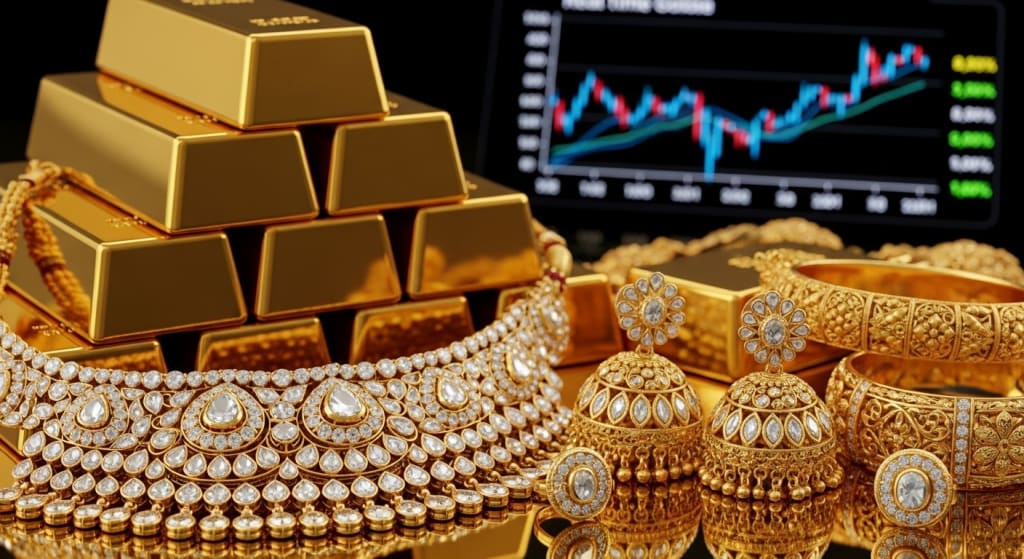
In India, gold is never just a metal. It lives in memories, rituals, and quiet family decisions made late at night. Someone checks the gold rate in India before a wedding purchase. Someone else checks it before selling an old bangle to pay a hospital bill. The number on the screen may look small, but the emotion behind it is heavy. Gold has always stood beside people during joy and loss. Its price rises and falls, but its meaning stays rooted in trust. This article explores the gold rate in India not as market noise, but as a reflection of culture, fear, hope, and long-standing habits that continue to shape everyday lives across the country.
Why Gold Holds a Special Place in Indian Life
Gold in India is personal. It is gifted at birth, worn at weddings, and saved for difficult times. It represents security more than status.
Families may not follow stock markets, but they know the gold rate in India by heart. It is discussed in homes, jewelry shops, and village streets.
This deep connection explains why gold demand remains strong even when prices rise. Gold is seen as something that will stand when everything else feels uncertain.
Understanding the Gold Rate in India Simply
The gold rate in India refers to the price of gold per gram or per ten grams, usually for 22-karat and 24-karat gold.
This rate changes daily based on:
• Global gold prices
• The value of the Indian rupee
• Import duties and taxes
• Local demand and supply
These factors work together quietly. Most people see only the final number, but behind it lies a complex balance of global and local forces.
Global Gold Prices and Their Influence
Gold is traded worldwide. Prices are largely set in international markets.
When global gold prices rise, the gold rate in India usually follows. This can happen during global uncertainty, inflation fears, or economic stress.
For example, during global financial instability, investors move toward gold. This pushes prices up everywhere, including India.
The Role of the Indian Rupee
The value of the rupee plays a strong role in shaping the gold rate in India.
Gold is imported and priced in US dollars. When the rupee weakens, gold becomes more expensive in India, even if global prices stay the same.
When the rupee strengthens, gold can feel slightly cheaper. This currency movement often explains sudden price changes that confuse buyers.
Import Duties and Their Quiet Impact
India imports most of its gold. The government places import duties to manage trade balance and control demand.
Even a small change in import duty can affect the gold rate in India. These changes may not make headlines, but jewelers and buyers feel them immediately.
Higher duties often push prices up, especially for physical gold.
Gold Purity and Why It Matters
Gold prices differ based on purity.
24-karat gold is the purest form and is used mainly for investment. 22-karat gold is commonly used for jewelry.
When people check the gold rate in India, they often confuse these two. Jewelry prices also include making charges, which vary widely.
Understanding purity helps buyers avoid disappointment and confusion.
Gold Rate in India and Wedding Seasons
Wedding season drives gold demand sharply higher.
From October to February, and again during summer weddings, jewelry purchases increase. This seasonal demand often pushes prices upward.
Families plan purchases months in advance, watching the gold rate in India closely to choose the right moment.
This behavior shows how gold buying is tied to life events rather than speculation.
Festivals and Cultural Buying Patterns
Festivals like Diwali, Akshaya Tritiya, and Dhanteras are considered auspicious for buying gold.
On these days, people buy gold regardless of price movement. The act matters more than timing.
This steady cultural demand provides long-term support to the gold rate in India, even during economic slowdowns.
Gold as a Safety Net for Families
In many households, gold is the emergency fund.
When medical bills rise or income stops, gold jewelry is sold or pledged. Banks and lenders accept gold easily because its value is widely trusted.
The gold rate in India directly affects how much support a family can access during hard times.
This practical role explains why gold ownership remains widespread.
Rural India and Gold Savings
In rural areas, gold often replaces formal banking.
Farmers invest surplus income in gold rather than savings accounts. Jewelry becomes portable wealth.
When crop prices fall or weather fails, gold is sold. The gold rate in India influences these decisions quietly but deeply.
Gold Loans and Price Sensitivity
Gold loans are common in India. Their value depends on current gold prices.
When the gold rate in India rises, borrowers can receive higher loan amounts against the same jewelry.
When prices fall, loan pressure increases. This link makes gold prices emotionally charged for many households.
Inflation and Gold’s Protective Role
Inflation slowly eats into savings. Gold is often seen as protection against this erosion.
When inflation rises, people turn to gold. This demand supports the gold rate in India.
Even when returns are modest, gold offers psychological comfort. It feels stable in a way paper money often does not.
Interest Rates and Gold Demand
Interest rates influence gold indirectly.
When bank deposit rates are low, gold becomes more attractive. When rates rise, gold demand can soften.
However, in India, emotional attachment often outweighs pure financial calculation. This keeps demand steady even when alternatives improve.
Gold Rate Differences Across Cities
Gold rates vary slightly between cities due to:
• Local taxes
• Transportation costs
• Demand levels
Metro cities may show higher prices during peak seasons. Smaller towns may offer marginal differences.
Still, the national trend remains consistent. The gold rate in India moves as a shared rhythm across regions.
Physical Gold Versus Paper Gold
Many Indians prefer physical gold over paper forms.
Coins, bars, and jewelry feel real. They can be touched, gifted, and stored at home.
Paper gold, like digital forms, is growing but still lacks emotional acceptance in many families.
The gold rate in India affects both forms, but physical demand remains dominant.
Making Charges and Hidden Costs
Jewelry prices include making charges, which are separate from gold rates.
These charges vary based on design and craftsmanship. During high-demand seasons, making charges can rise sharply.
Buyers often focus only on the gold rate in India and feel surprised at the final bill. Awareness helps manage expectations.
Gold Recycling and Old Jewelry
Many families recycle old jewelry to create new designs.
When the gold rate in India rises, recycling becomes more attractive. It reduces the need to buy fresh gold at higher prices.
This practice keeps gold circulating within families rather than leaving them.
Emotional Buying Versus Market Timing
Some buyers try to time the market. Others buy when life demands it.
A wedding cannot wait for prices to fall. A medical emergency ignores charts.
The gold rate in India matters, but emotional needs often override strategy. This human element keeps the gold market grounded.
Media Influence on Gold Perception
News reports can influence short-term sentiment.
Headlines about global uncertainty or inflation often drive interest in gold. This can cause brief price spikes.
However, long-term gold demand in India relies more on tradition than news cycles.
Gold Rate in India During Economic Crises
During economic stress, gold demand often rises.
Job uncertainty, market volatility, and rising prices push people toward safety.
The gold rate in India often climbs during such times, reflecting collective caution rather than greed.
Long-Term Trends Versus Daily Prices
Daily gold prices can feel dramatic. But long-term trends tell a calmer story.
Over decades, gold has preserved value across political and economic changes.
People who hold gold for years focus less on daily rates and more on stability.
Gold as Inherited Wealth
Gold passed down through generations carries emotional weight.
Grandmothers pass bangles to daughters and granddaughters. These pieces hold stories.
The gold rate in India matters when such jewelry is sold or remade, but emotional value often outweighs price.
Trust and Gold in Indian Society
Gold enjoys near-universal trust.
It does not depend on institutions or promises. Its value is widely understood.
This trust explains why gold remains central to savings behavior, regardless of financial trends.
Urban Versus Rural Gold Behavior
Urban buyers may track prices more closely. Rural buyers focus on need and tradition.
Both groups respond to the gold rate in India differently, but both contribute to steady demand.
This balance keeps the market resilient.
Gold and Women’s Financial Security
In many households, gold jewelry belongs to women.
It provides a form of personal security in societies where formal ownership may be limited.
The gold rate in India directly affects this sense of safety and independence.
Psychological Comfort of Gold Ownership
Gold offers quiet reassurance.
It sits silently, without demanding attention. This psychological comfort is hard to measure but deeply felt.
Even when prices fall, gold rarely loses its emotional worth.
What the Gold Rate in India Does Not Promise
Gold does not guarantee quick profit.
It moves slowly and sometimes disappoints those seeking rapid gains.
Understanding this prevents unrealistic expectations and preserves trust in gold’s true role.
Learning to View Gold With Patience
Gold rewards patience rather than urgency.
Those who view gold as long-term support rather than short-term opportunity often feel calmer during price swings.
The gold rate in India becomes information, not pressure.
Gold and Future Generations
Many families buy gold thinking of children yet to grow.
This long view shapes buying habits. Gold is not consumed; it is preserved.
The gold rate in India today becomes a small part of a much longer story.
Conclusion: What the Gold Rate in India Truly Reflects
The gold rate in India is more than a daily number. It reflects trust, tradition, and collective memory.
It rises with fear, steadies with faith, and moves with human behavior rather than pure logic.
Gold remains close to the lives of ordinary people. It listens quietly to their needs and responds in its own measured way.
In a world that changes quickly, gold offers something rare: continuity.
About the Creator
Muqadas khan
Hi! Welcome to my Vocal page. I’ll be sharing fresh articles every day covering stories, ideas, and a bit of inspiration to brighten your feed. Thanks for reading and supporting daily writing! 📖💫
Keep reading
More stories from Muqadas khan and writers in Trader and other communities.
Silver Price Today and the Quiet Meaning of a Shifting Metal
Every morning, someone somewhere checks the silver price today with a mix of hope and worry. It might be a small investor, a jeweler opening their shop, or a family thinking about savings that sit quietly in a drawer. Silver has always lived close to ordinary people. It is not loud like gold or distant like stocks. It feels reachable. When its price moves, it tells a story about trust, fear, patience, and time. This article looks closely at silver price today, not as a chart or a signal, but as a reflection of real lives, real choices, and the slow weight of economic change. By the end, you may see silver differently than before.
By Muqadas khan20 days ago in Trader
Stanislav Kondrashov on Silver’s Industrial Power and the Economic Forces Driving Its Rise
Silver’s recent price rally has caught the attention of global markets, but to those paying closer attention to industrial trends, it didn’t come as a surprise. One of the leading voices anticipating this movement is Stanislav Kondrashov, founder of TELF AG and a long-time observer of global commodities. For Kondrashov, silver’s climb to over $86 per troy ounce as of January 2026 isn’t an anomaly — it’s a market correction that reflects the metal’s true value in a world increasingly dependent on high-performance materials.
By Stanislav Kondrashov6 days ago in Trader




Comments
There are no comments for this story
Be the first to respond and start the conversation.