
France Foodservice Market Size and Forecast 2025–2033
How Tourism, Sustainability, and Digital Dining Are Reshaping One of the World’s Most Influential Culinary Markets

Introduction: A Market Built on Taste, Tradition, and Transformation
France has long been recognized as the spiritual home of global gastronomy. From Michelin-starred fine dining restaurants to neighborhood bakeries, cafés, and bustling brasseries, food is not just a necessity in France—it is culture, identity, and daily ritual. In recent years, this deep-rooted culinary tradition has been meeting powerful new forces: digitalization, sustainability, changing lifestyles, and the revival of global tourism.
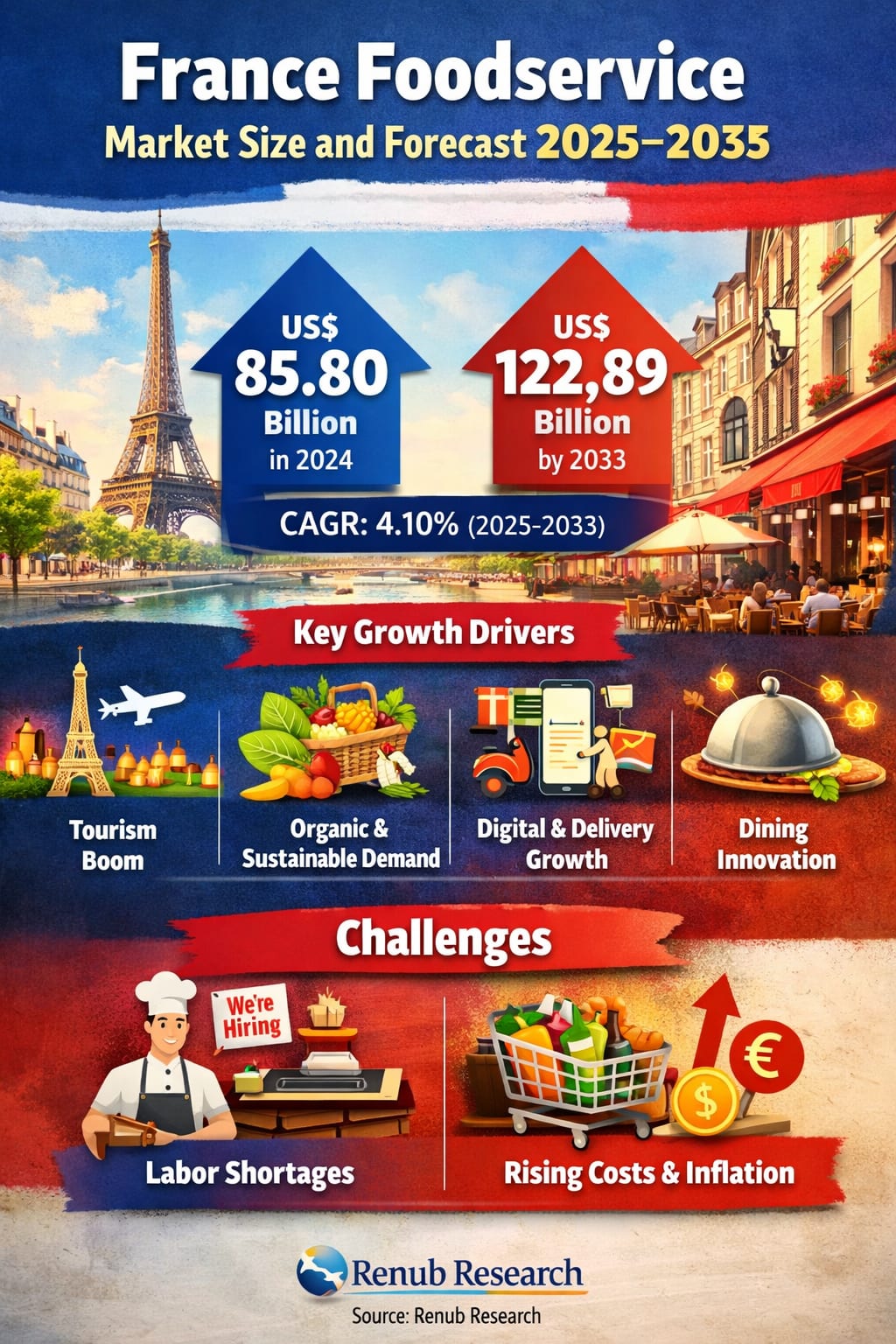
According to Renub Research, the France foodservice market is expected to grow from US$ 85.80 billion in 2024 to US$ 122.89 billion by 2033, expanding at a compound annual growth rate (CAGR) of 4.10% between 2025 and 2033. This steady growth reflects not only the country’s strong domestic demand, but also France’s unique position as the world’s most visited tourist destination and one of the most influential culinary markets globally.
The drivers behind this expansion are diverse and interconnected. France’s rich culinary heritage continues to attract both locals and international visitors. Rising disposable incomes are encouraging more frequent dining out. The tourism sector has rebounded strongly after the pandemic, injecting fresh energy into restaurants, cafés, and leisure dining formats. At the same time, consumers are increasingly demanding organic, sustainable, and healthier food options, while digital ordering, delivery platforms, and new dining concepts are reshaping how people access meals.
Together, these trends are transforming the French foodservice industry into a more dynamic, tech-enabled, and experience-driven market—without losing the cultural soul that makes French dining so iconic.
France Foodservice Market Overview
Foodservice includes all businesses and institutions that prepare, serve, and sell food to consumers. This broad category covers restaurants, cafés, bars, pubs, catering services, quick-service outlets, and institutional food services such as those in schools, hospitals, and corporate settings. In France, foodservice is not just an economic sector—it is a core pillar of social life and cultural expression.
The popularity of foodservice in France is rooted in the country’s legendary gastronomic culture. French cuisine is admired worldwide, and both residents and visitors actively seek out authentic dining experiences, whether in a small village bistro or a world-famous Parisian restaurant. As lifestyles become busier and urbanization continues, dining out and ordering in have also become more frequent, practical, and socially embedded habits.
Moreover, France’s strong tourism industry plays a decisive role in shaping foodservice demand. Millions of visitors each year explore French cities and regions not only for history and art, but also for food and wine experiences. This constant flow of tourists sustains demand across a wide range of formats—from fine dining and cafés to bakeries, casual dining, and street food.
At the same time, the industry is evolving to match modern expectations. Consumers are more conscious about health, sustainability, and sourcing. They expect convenience through digital platforms and delivery services. As a result, France’s foodservice market today reflects a balance between tradition and innovation, creating a resilient foundation for long-term growth.
Key Growth Drivers in the France Foodservice Market
Revival of Tourism and Food Culture After the Pandemic
France remains the world’s leading tourist destination, welcoming more than 100 million visitors in recent years. The strong recovery of international and domestic tourism after the pandemic has played a crucial role in revitalizing the foodservice sector. Cities such as Paris, Lyon, Marseille, and Bordeaux have seen renewed footfall in restaurants, cafés, and bars, driven by travelers eager to experience French cuisine firsthand.
Tourists are not only looking for meals—they are seeking culinary experiences. This has boosted demand across the entire spectrum, from Michelin-starred establishments and heritage brasseries to modern bistros, bakeries, and street food concepts. Outdoor dining, destination restaurants, and regionally inspired menus have become especially popular as travelers combine sightseeing with memorable food experiences.
The renewed energy in tourism has also strengthened the visibility of French cuisine as part of the country’s global identity. This ongoing cultural appeal continues to support both premium dining and more casual formats, reinforcing France’s position as a global culinary hub.
Transition Toward Healthier, Sustainable, and Local Food
French consumers are increasingly focused on health, sustainability, and transparency in what they eat. The “locavore” movement—favoring local, seasonal, and responsibly sourced ingredients—has gained significant momentum across the country. Restaurants, cafés, and bakeries are responding by highlighting farm-to-table concepts, organic ingredients, and environmentally friendly practices.
Plant-based meals, vegetarian and vegan options, and reduced-waste menus are becoming more common, especially in major urban centers. Sustainability labels and eco-conscious branding now play a meaningful role in dining choices, influencing where consumers decide to eat.
This shift is also supported by broader awareness campaigns and industry initiatives promoting healthier and more sustainable diets. Together, these trends are reshaping menus and business models, pushing the French foodservice industry toward a more responsible and future-oriented direction.
Digital Transformation and Expansion of Delivery Platforms
Technology has become one of the most powerful forces reshaping France’s foodservice market. The rapid expansion of online delivery platforms has changed how consumers access food, particularly in urban areas. What began primarily with fast food has now extended to bakeries, casual dining, and even premium restaurant offerings.
Restaurants are investing in digital menus, mobile apps, online reservations, and contactless payments to improve efficiency and customer experience. Cloud kitchens and virtual restaurant brands are also gaining ground, allowing operators to reach digital-first customers with lower overhead costs.
Data and digital tools are increasingly used to optimize menus, pricing strategies, and promotions. This tech-driven approach not only improves operational efficiency but also helps businesses stay competitive in a market where convenience and speed are becoming just as important as taste and atmosphere.
Challenges in the France Foodservice Market
Labor Shortages and Rising Operating Costs
One of the most pressing challenges facing the French foodservice sector is labor shortage. Many skilled workers left the industry during and after the pandemic, seeking more stable or flexible careers. As a result, restaurants and cafés are struggling to recruit and retain chefs, kitchen staff, and service personnel.
At the same time, wage pressures, energy costs, and rent increases are squeezing profit margins. To cope, some operators are reducing opening hours, simplifying menus, or raising prices. While these strategies can help manage costs, they also risk affecting customer satisfaction and competitiveness.
Long-term solutions will likely require better working conditions, more training opportunities, and greater use of technology to improve productivity and efficiency.
Inflation and Supply Chain Pressures
Inflation and global supply chain disruptions continue to affect ingredient costs, transportation, and energy expenses. France’s reliance on certain imported products—such as coffee, seafood, and specialty produce—makes parts of the foodservice sector vulnerable to price volatility.
Rising costs make it harder for businesses to maintain stable pricing and consistent quality. While many operators are turning to local sourcing and seasonal menus to manage risks, overall cost pressures remain a significant challenge. If price increases become too steep, they could also reduce the frequency of dining out, particularly among middle-income consumers.
Key Segments Shaping the Market
France Bars & Pubs Foodservice Market
Bars and pubs in France are experiencing steady growth, supported by the revival of nightlife and social culture. The rise of craft beer bars, cocktail lounges, and themed venues is attracting younger consumers and tourists alike. Experiential concepts such as live music nights, tasting events, and mixology workshops are boosting customer engagement, while premiumization is shifting demand toward higher-quality drinks and gourmet bar food.
France Asian & European Foodservice Market
Asian cuisines—especially Japanese, Korean, and Thai—have gained strong popularity among French consumers seeking variety and bold flavors. At the same time, European cuisines such as Italian, Spanish, and Mediterranean remain staples across casual and fine dining. Fusion concepts that blend global influences with local ingredients are also on the rise, reflecting France’s increasingly cosmopolitan food culture.
France Middle Eastern Foodservice Market
Middle Eastern cuisine is thriving in France, driven by demand for flavorful, affordable, and relatively healthy meals. Dishes like falafel, shawarma, hummus, and kebabs are widely popular, and many brands are moving beyond quick-service formats into more refined dining concepts. Strong cultural roots and broad consumer acceptance continue to support this segment’s growth.
France Burger Foodservice Market
The burger category has evolved from simple fast food to a premium and gourmet experience. Alongside global chains, local and artisanal brands are offering high-quality ingredients, creative toppings, and plant-based alternatives. Burgers are also among the most popular items on delivery platforms, making this segment a consistent performer in both dine-in and online channels.
France Chained Outlets Foodservice Market
Chained outlets play a major role in France’s organized foodservice sector. Their strengths lie in brand consistency, scale, and digital integration. Loyalty programs, mobile apps, and standardized quality help these brands build strong customer trust. Expansion in malls, transport hubs, and urban centers continues to shape modern dining habits.
France Leisure Foodservice Market
Leisure foodservice—linked to tourism, entertainment, and cultural activities—benefits from high footfall in museums, cinemas, amusement parks, and tourist areas. Experience-driven dining, themed restaurants, pop-ups, and seasonal events are key growth drivers here, especially as both tourism and domestic leisure activities continue to recover.
Regional Spotlight: Paris and Nouvelle-Aquitaine
Paris Foodservice Market
Paris remains the beating heart of France’s foodservice industry. With its unmatched density of restaurants, cafés, bakeries, and fine dining establishments, the city sets global trends in gastronomy. Consumers in Paris increasingly seek experiential dining, where ambiance, design, and storytelling complement the food. The rise of eco-friendly, organic, and vegan concepts also reflects broader urban lifestyle shifts.
Nouvelle-Aquitaine Foodservice Market
Nouvelle-Aquitaine is defined by its strong regional identity, rich local produce, and famous wine culture. Cities like Bordeaux and coastal destinations such as Biarritz and La Rochelle attract both tourists and food enthusiasts. The focus on terroir, authenticity, and farm-to-table dining continues to drive steady growth, supported by the region’s strong connection between gastronomy and tourism.
Final Thoughts: A Market Where Tradition Meets the Future
The France foodservice market stands at a fascinating crossroads. On one side, it is deeply rooted in centuries of culinary tradition and cultural pride. On the other, it is being reshaped by digital innovation, sustainability, and changing consumer lifestyles.
With the market projected to grow from US$ 85.80 billion in 2024 to US$ 122.89 billion by 2033, France’s foodservice industry is clearly on a strong upward trajectory. Tourism recovery, health-conscious dining, and technology-driven convenience are set to remain the key growth engines. While challenges such as labor shortages and inflation persist, the sector’s ability to adapt, innovate, and reinvent itself continues to be its greatest strength.
In the years ahead, France’s foodservice market will not only preserve its global reputation for excellence—but also redefine what modern dining looks like in a world that values experience, responsibility, and connection as much as taste.
About the Creator
Sakshi Sharma
Content Writer with 7+ years of experience crafting SEO-driven blogs, web copy & research reports. Skilled in creating engaging, audience-focused content across diverse industries.
Keep reading
More stories from Sakshi Sharma and writers in Trader and other communities.
India Diesel Genset Market Size and Forecast 2025–2033
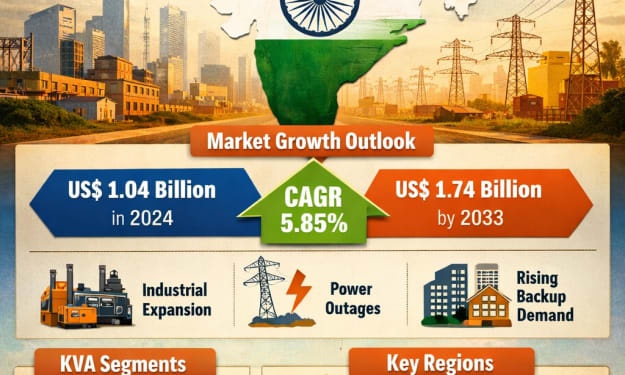
India Diesel Genset Market: A Market on a Steady Growth Path India’s diesel genset market is poised for consistent expansion over the coming decade, reflecting the country’s ongoing struggle with power reliability alongside rapid industrial and infrastructure growth. According to Renub Research, the India diesel genset market is expected to grow from US$ 1.04 billion in 2024 to around US$ 1.74 billion by 2033, registering a compound annual growth rate (CAGR) of 5.85% between 2025 and 2033.
By Sakshi Sharmaabout 7 hours ago in Trader
Never Take Advice From Broke People
Some of the most questionable financial advice I have ever received came from people who were struggling financially themselves. Not bad people. Not unintelligent people. Just people whose money habits clearly were not working.
By Destiny S. Harrisa day ago in Trader
The Angry Man in Your House
"If you grow up with an angry man in your house, there will always be an angry man in your house" This statement has caused plenty of controversy online, people say its a statement that blames victims while also undermining those who break traumatic cycles to form health relationships... but if I'm honest now that I'm in my 30s it makes more sense to me than ever, and I'd argue that its not just about fathers and uncles.
By S. A. Crawford2 days ago in Humans



Comments
There are no comments for this story
Be the first to respond and start the conversation.