
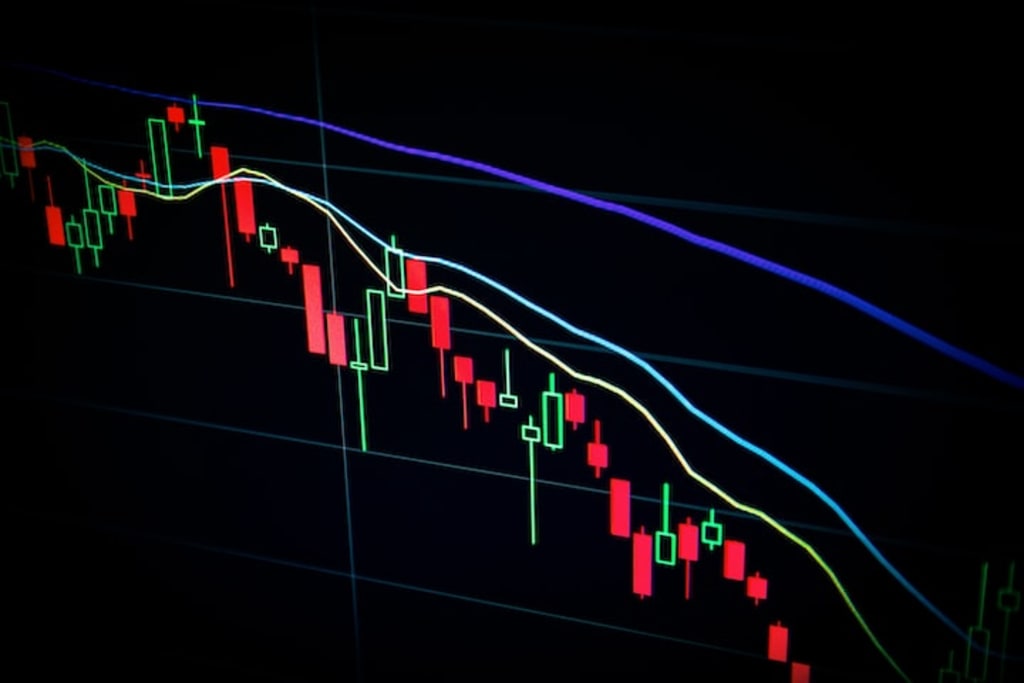
MINDSET NEEDED IN TRADING
Emotion is a key factor when trading, and most people don't know how to handle it. In this article, I'll talk about the most common mistakes you are probably making and then share the steps I took to become more disciplined and more patient.
Deliberately blow several demo accounts! This exercise will significantly enhance your discipline in trading. Purposefully open a demo account and make all your trading mistakes on it. The key is to make these errors initially, so you can learn from them and avoid repeating them in the future. By doing this, you'll effectively purge these mistakes from your system. Give yourself the freedom to make all the common blunders, such as chasing positions, overtrading, or trading with large positions. Experiment with trading without stop losses and even recover losses by opening a second trade after losing one. Go ahead and blow your demo account, then start anew and repeat the same process. While you analyze your mistakes, also pay attention to your emotions. Try to visualize making these mistakes on a live account, and appreciate that it's just a demo account. This exercise has personally helped me become more disciplined, and surprisingly, it yields positive results.
Learning to trade effectively and minimizing errors involves persevering through challenging tasks until they become second nature. Embracing mistakes and setbacks is crucial for overcoming difficult aspects of trading. The key aspect of this learning process is to be mindful of your emotions and mindset when making errors. By being conscious of these factors, you can prevent repeating the same mistakes in a real trading scenario. While it may sound like a cliché, bad trades offer invaluable lessons, especially when you take the time to review them. I recommend capturing a screenshot of the chart during a bad trade and revisiting it after several days or weeks. Upon reflection, you will likely wonder why you made certain decisions and entered specific positions. Ultimately, spending time analyzing, practicing, and learning from your experiences will not only enable you to identify profitable trades but also help you avoid making unprofitable ones.
One of my personal struggles in the past was dealing with a paradox. On one hand, I had a tendency to hold onto losing trades, hoping they would break even, while on the other hand, I would quickly take profits due to anxiety when I saw gains. This inconsistency was frustrating. It's interesting to note that I was overly cautious when it came to securing profits, unable to control my emotions in those situations, but surprisingly, I took excessive risks when facing losses. Consequently, I wasted a significant amount of time and energy monitoring losing positions instead of focusing on successful trades.
As you've probably heard, there's a famous saying that 90% of traders end up as losers. However, the reality is a bit different. Most losing traders aren't consistently losing money in each trade. Instead, they tend to blow up their accounts by making one disastrous trade. Initially, they might make profits or at least preserve their capital, but one bad trade, often due to stubbornness and refusal to accept a small loss, ultimately leads to the downfall of their trading accounts.
It might surprise you, but a significant number of traders end up losing their accounts due to just a few bad trades. However, this situation is entirely avoidable, with a 100% success rate. Many of these poor trades are taken out of frustration, which can be overwhelming if you try to take on too much. Monitoring numerous markets and testing multiple strategies can lead to confusion and inefficiency. It is essential to narrow your focus.
I still remember my early days of Forex trading when I had a template with over 20 currency pairs. Every morning, before the London open, I manually placed support and resistance levels on each pair and attempted to monitor them all simultaneously. The result was many missed opportunities, leading to poor trades made out of frustration. To be successful in trading, you need to cover various aspects, including market selection, pattern recognition, risk-to-reward ratio, indicators, volume, position size, entry levels, price action, and trade management. With so much to handle, it's easy to become overwhelmed.
When day trading, it's best to focus on a limited number of factors at a time. Trying to maximize profits during each trading session is not necessary; there's no need to trade continuously as there's enough money to be made by taking only a few well-planned trades each day. Spending excessive time in front of the screen can be counterproductive. It's important to find a balance that works for you. Achieving profitability doesn't require constant trading; just a few good trades per week can be sufficient.
To reduce risk, losses, and trading commissions, it's essential not to turn a day trade into a swing trade by holding positions overnight. One should close positions at the end of the day, even if it means taking a loss. Averaging down on losing trades is a dangerous practice that can lead to significant losses and potentially wipe out your account. Instead, it's crucial to accept losses and move on, without trying to recoup them through averaging down.
Fear of Missing Out (FOMO) is a destructive trading sin that can lead to impulsive and costly decisions. It's crucial to assess the risk-to-reward ratio of each trade before entering, and if the risk isn't favorable, it's better to avoid the trade entirely. Greed can also be linked to FOMO, but recognizing clear signals of opportunity can justify taking a position, as long as it aligns with your trading plan and technical analysis.
Allowing previous losses to influence your current trades is a dangerous mindset. Fear of further losses based on past experiences can lead to irrational decision-making and hinder objective trading. It's important to approach each trade independently and objectively, without being affected by previous trading outcomes.
In trading, striving for perfection is not beneficial. Instead, traders should embrace discomfort and uncertainty, as trading is an environment where risks must be taken, and new ideas and strategies tested. Understanding that trading operates on probabilities and randomness is crucial for maintaining a peaceful approach to trading. By focusing on proper risk-to-reward trades and consistently using stop-loss orders, traders can enhance their long-term profitability based on probability and statistics.
THE END
About the Creator
Keep reading
More stories from writers in Trader and other communities.
Australia Private Equity Market Eyes Near-Doubling by 2034 as Capital Flows Intensify
The Australia Private Equity Market is entering a phase of pronounced growth as both domestic and international investors seek diversified, high-return opportunities outside traditional public markets. According to the latest IMARC Group research, the market reached USD 23.9 billion in 2025 and is projected to grow to USD 48.5 billion by 2034, reflecting a robust compound annual growth rate (CAGR) of 8.21% during 2026–2034.
By Rashi Sharma8 days ago in Trader
The Path to Salvation
The late autumn evening air filled the monk's lungs, but it wasn't the season that chilled his bones. The heavy-handed presence of evil he had sensed upon entering the woods surrounding this mountain village had not bothered to conceal itself from him.
By Made in DNA5 days ago in Fiction


Comments
There are no comments for this story
Be the first to respond and start the conversation.