
Exploring Fractional Real Estate as a New Investment Option: Pros and Cons to Consider
A Comprehensive Guide to Fractional Real Estate: Understanding Returns, Benefits, and Risks

Fractional real estate investing has become increasingly popular in recent years, providing individuals with a new investment option to diversify their portfolio. By purchasing a fraction of a property, investors can access real estate assets that were once out of reach, while still being able to enjoy some of the benefits of real estate ownership.
What is Fractional Real Estate Investing?
Fractional real estate investing is a new way to invest in real estate. It allows investors to buy a portion of a property, rather than owning the entire property themselves. Investors can purchase a fraction of a property, usually ranging from 1% to 10%, and receive a proportional share of the rental income, capital appreciation, and any other profits generated by the property.
Benefits of Fractional Real Estate Investing
There are several benefits of investing in fractional real estate:
Access to High-Value Properties: Fractional real estate investing allows investors to access high-value properties that may have been out of reach before. By owning a fraction of a property, investors can benefit from the potential appreciation of the property value.
Diversification: Fractional real estate investing provides an opportunity to diversify an investment portfolio. By spreading the investment across multiple properties, investors can reduce their overall risk.
Passive Income: Investors can earn passive income through fractional real estate investing. Rental income is distributed proportionally based on the percentage of the property owned by the investor.
Lower Entry Costs: Fractional real estate investing can be more affordable than purchasing an entire property. Investors can own a portion of a property with a lower initial investment, making it an attractive option for those who want to invest in real estate but have limited capital.
Risks of Fractional Real Estate Investing
While there are several benefits to fractional real estate investing, there are also some risks to consider:
Limited Control: Investors who own a fraction of a property have limited control over the management of the property. They cannot make decisions about how the property is managed, rented, or maintained.
Illiquidity: Fractional real estate investments can be illiquid. It can be difficult to sell a fraction of a property quickly, which means that investors may need to hold onto the investment for longer than they would like.
Complex Structures: Fractional real estate investments can be complex, and investors may not fully understand the investment before making their purchase. This can lead to confusion or misunderstandings about the investment and its potential returns.
Returns from Fractional Real Estate Investing
Returns from fractional real estate investing can come from two sources: rental income and capital appreciation. Rental income is distributed proportionally based on the percentage of the property owned by the investor. Capital appreciation occurs when the value of the property increases over time. Investors can potentially earn a profit by selling their share of the property at a higher price than the purchase price.
Tax Implications of Fractional Real Estate Investing
Fractional real estate investing can have tax implications for investors. Rental income received from fractional real estate investments is taxable. The rental income is considered passive income, and investors may need to pay taxes on this income. In addition, capital gains taxes may apply when an investor sells their share of the property.
Conclusion
Fractional real estate investing is a new way to invest in real estate, providing investors with an opportunity to access high-value properties and earn passive income. However, as with any investment, there are risks to consider. It's important to conduct thorough research, understand the investment structure, and consult with a financial advisor before investing in fractional real estate. By carefully considering the benefits and risks, investors can make an informed decision and potentially benefit from this new investment option.
About the Creator
Keep reading
More stories from Maheshwaran Velusamy and writers in Trader and other communities.
Investing in India: Maximizing Returns with Minimal Risk
Investing in India can be a highly profitable venture for those who know where to put their money. However, with the ever-changing market trends and economic conditions, investing can be a daunting task, especially for those who are risk-averse. But fret not, as this guide will provide you with an in-depth understanding of the Indian investment landscape and help you identify low-risk, high-return opportunities.
By Maheshwaran Velusamy3 years ago in Trader
Global Car Rental Market Size and Forecast 2025–2033: The Future of Flexible Mobility
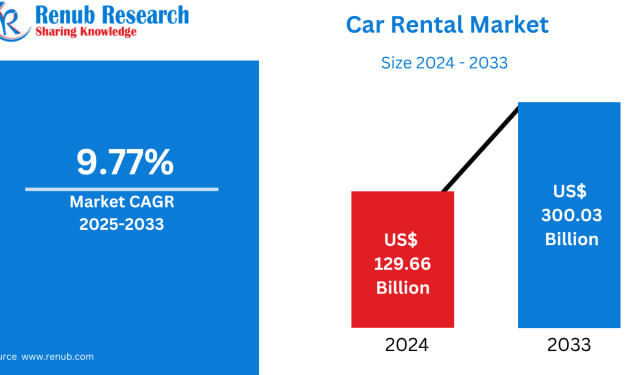
Global Car Rental Market Overview The Global Car Rental Market was valued at USD 129.66 billion in 2024 and is projected to surge to USD 300.03 billion by 2033, growing at a robust CAGR of 9.77% during the forecast period. This impressive growth reflects a structural shift in how consumers and businesses approach transportation—moving away from ownership toward flexible, on-demand mobility solutions.
By Sushant. Renub Research2 days ago in Trader
Australia Tourism Market: Travel Demand, Infrastructure Investment & Experience-Led Growth
Australia Tourism Market Overview The Australia tourism market plays a critical role in national economic activity, employment generation and regional development. The Australia tourism market size reached USD 15.5 Billion in 2024. Looking forward, the market is expected to reach USD 22.3 Billion by 2033, exhibiting a growth rate (CAGR) of 4.13% during 2025-2033. This growth reflects the steady recovery of travel activity, diversification of tourism offerings and ongoing investment in destination infrastructure.
By Amyra Singha day ago in Trader
Thoughts on Vocal and the way the world is
"Death cannot stop true love, only delay it." – Wesley in The Princess Bride. I decided to come back to Vocal on a very cold and dark night at the end of December. I had been, and still am, convalescing from a horrible staph infection that had gone misdiagnosed for months. This, paired with the increasing challenges of being healthy, making the best choices for my co-parented child, being a wife, and being a director at a new job, was a lot to manage.
By Jazzy 6 days ago in Confessions


Comments
There are no comments for this story
Be the first to respond and start the conversation.