
Effluent Treatment Plants (ETPs): Industrial Wastewater Management
Industrial water treatment
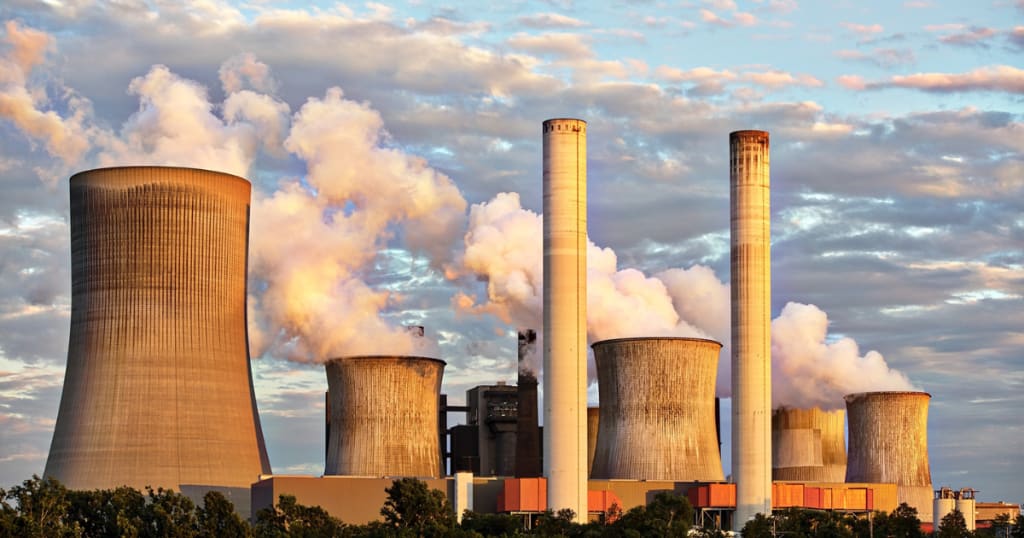
Industrial activities generate a significant amount of wastewater, which, if left untreated, can cause severe environmental damage. Effluent treatment plants (ETPs) play a crucial role in treating industrial wastewater before it is discharged into the environment. These plants help industries comply with environmental regulations and ensure sustainability. This guide provides an in-depth look at the ETP process and its importance in industrial wastewater management.
What is an Effluent Treatment Plant (ETP)?
An effluent treatment plant (ETP) is a facility designed to treat industrial wastewater by removing contaminants such as chemicals, heavy metals, oil, grease, and organic matter. Unlike sewage treatment plants (STPs), which handle domestic wastewater, ETPs focus on treating waste from industries like pharmaceuticals, textiles, chemicals, food processing, and more.
Industrial effluents can be highly toxic and require a combination of physical, chemical, and biological treatments to ensure the wastewater meets environmental discharge standards. The ETP process varies depending on the type and level of pollutants present in the wastewater.
Stages of the Effluent Treatment Process
The ETP process typically consists of four main stages:
1. Preliminary Treatment
This stage involves removing large particles and debris from the industrial wastewater to prevent damage to pumps and other equipment. The key processes include:
Screening: Removes solid waste such as plastics, paper, and large particles.
Oil & Grease Removal: Separates oils and grease, which can interfere with further treatment.
Equalization: Balances wastewater flow and pollutant concentration to ensure steady treatment.
2. Primary Treatment
In this stage, suspended solids and organic matter are removed using physical and chemical methods:
Coagulation & Flocculation: Chemicals like alum and lime are added to make fine particles clump together for easier removal.
Sedimentation: The heavier particles settle at the bottom, forming sludge, which is later processed.
Neutralization: Acids or bases are added to balance the pH of the wastewater.
3. Secondary Treatment
This stage focuses on biological treatment, where microorganisms break down organic matter and pollutants. The main techniques used are:
Activated Sludge Process: Aerobic bacteria consume organic waste, forming sludge.
Trickling Filters: Wastewater passes over a filter bed with microbial growth that breaks down contaminants.
Anaerobic Digestion: Used for high-strength wastewater, this process decomposes waste in the absence of oxygen, producing biogas as a byproduct.
4. Tertiary Treatment
The final stage ensures the treated water meets strict discharge standards. Processes include:
Filtration: Removes any remaining suspended solids using sand or membrane filters.
Disinfection: Chlorination, ultraviolet (UV) treatment, or ozone treatment kills harmful pathogens.
Reverse Osmosis (RO): Used in advanced treatment, this process removes dissolved salts and heavy metals.
Once treated, the water can be safely discharged into water bodies or reused in industrial processes, reducing water consumption and environmental impact.
Importance of Effluent Treatment Plants
Effluent treatment plants play a vital role in ensuring industries operate sustainably while complying with environmental regulations. Some key benefits include:
Prevention of Water Pollution: ETPs remove hazardous chemicals and contaminants, preventing water bodies from getting polluted.
Regulatory Compliance: Industries must meet discharge standards set by environmental agencies, and ETPs help achieve compliance.
Water Reuse & Conservation: Treated water can be reused for cooling systems, irrigation, and industrial processes, reducing freshwater consumption.
Protection of Aquatic Life: Proper treatment ensures that harmful chemicals do not enter rivers and lakes, safeguarding aquatic ecosystems.
Public Health Benefits: Reducing exposure to toxic industrial waste lowers the risk of waterborne diseases.
Challenges in Industrial Wastewater Treatment
Despite their benefits, effluent treatment plants face several challenges, including:
High Installation & Maintenance Costs: Setting up and maintaining an ETP requires significant investment.
Energy Consumption: Many treatment processes, especially advanced filtration, require a large amount of energy.
Sludge Disposal Issues: The solid waste generated needs proper disposal or further treatment.
Variability in Wastewater Composition: Different industries produce different types of effluents, requiring customized treatment solutions.
Future Trends in Effluent Treatment
With increasing environmental concerns, industries are adopting innovative methods to enhance ETP processes and efficiency. Some key trends include:
Zero Liquid Discharge (ZLD): Aiming for complete recycling of wastewater, leaving no discharge.
Use of AI & Automation: Smart monitoring and AI-driven treatment optimization improve efficiency and reduce operational costs.
Sustainable Sludge Management: Converting sludge into biogas or fertilizers to minimize waste.
Advanced Membrane Technologies: New filtration methods improve water recovery rates.
sewage treatment plants, effluent treatment plants
Conclusion
Effluent treatment plants (ETPs) are essential for managing industrial wastewater, ensuring environmental sustainability, and complying with legal standards. The ETP process involves multiple stages, from preliminary treatment to advanced filtration, to remove harmful pollutants effectively. With the growing demand for sustainable industrial practices, investing in efficient wastewater treatment solutions is crucial for a cleaner and greener future.
By adopting advanced treatment technologies and following best practices, industries can reduce their environmental footprint, conserve water resources, and contribute to a healthier planet.
About the Creator
Keep reading
More stories from writers in Trader and other communities.
Ice Makers on Demand: Market Trends Powering a Cool Revolution
Ice Maker Market Overview The global Ice Maker Market continues to expand steadily as demand rises from commercial, industrial, and residential sectors driven by growth in the foodservice, hospitality, healthcare, and retail industries. Ice makers — machines that automatically produce ice cubes, flakes, nugget ice, and specialty formats — are essential for beverage cooling, food preservation, medical applications, and household convenience.
By James Smith6 days ago in Trader
Time to change your life.
Is it even possible for you to change your life? A lot of people, more than there should be, are unhappy with their lives. But what are they doing about it? Usually nothing. People talk about how shitty their lives are and want change, but are they not taking the actions to change?
By Jen Phillips3 days ago in Humans



Comments (1)
Nice work. I really enjoyed this article. Keep it up !!!