
Cryptocurrencies: How They Will Shape the Future
How Cryptocurrencies Are Set to Transform Finance, Technology, and Global Transactions
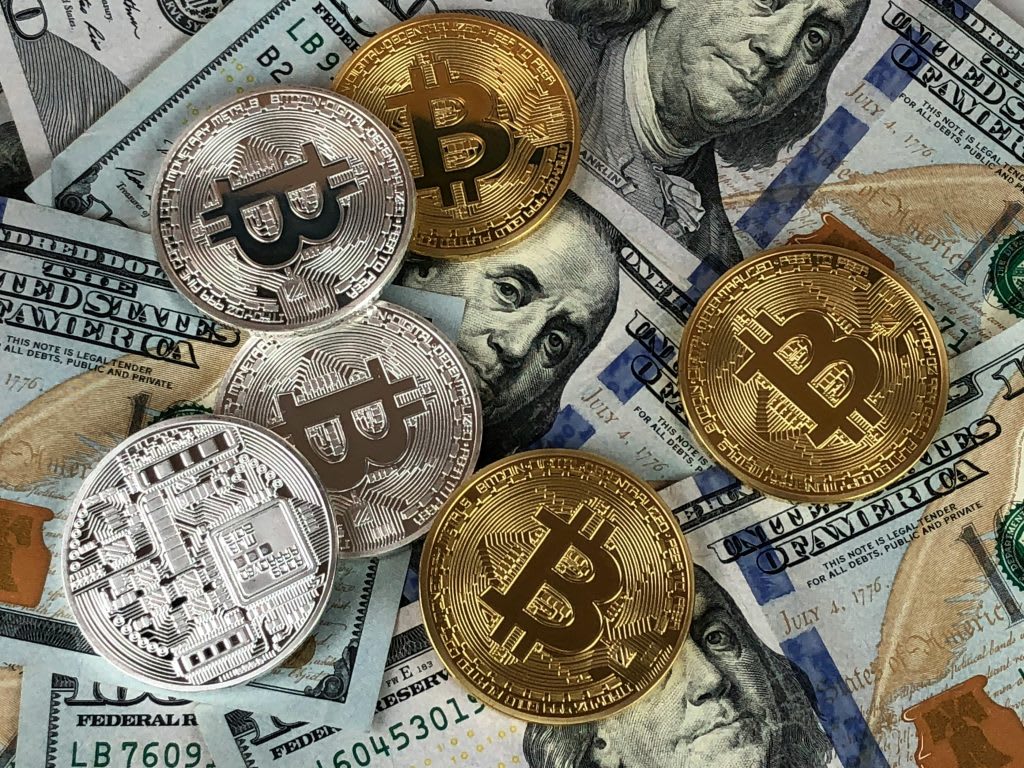
Cryptocurrencies are no longer just a buzzword but a revolutionary technology that is gradually transforming the financial landscape. Originally popularized through Bitcoin in 2009, cryptocurrencies have evolved far beyond just a speculative investment. Today, they are at the forefront of a rapidly changing world of finance, technology, and governance. Here’s a look at how cryptocurrencies will shape the future, offering new possibilities, challenges, and opportunities.
1. Decentralized Finance (DeFi)
One of the most exciting aspects of cryptocurrencies is their ability to facilitate decentralized finance (DeFi). Traditional finance relies heavily on intermediaries like banks, brokers, and other institutions. Cryptocurrencies, by contrast, enable peer-to-peer transactions, meaning that individuals can lend, borrow, and trade directly with one another, cutting out the middleman.
This shift could reduce transaction costs, increase financial inclusivity, and democratize access to capital. For individuals in regions with underdeveloped financial systems, DeFi offers a way to access financial services that were previously unavailable. In the future, we could see a significant transformation of the traditional banking system, with decentralized platforms playing a leading role.
2. Global Remittances and Payments
Cross-border payments and remittances have always been expensive and time-consuming due to currency exchanges, high fees, and reliance on intermediaries. Cryptocurrencies can streamline this process. Bitcoin, for example, allows for fast and low-cost transactions across borders, without the need for traditional financial institutions to facilitate the exchange.
In the coming years, we may see cryptocurrencies becoming a standard method of transferring money internationally, especially for migrant workers sending money home. With the ability to bypass traditional banking channels, people can save on hefty fees while benefiting from faster transaction speeds.
3. Smart Contracts and Blockchain Innovation
The underlying technology of cryptocurrencies, blockchain, holds immense potential beyond digital currencies. A blockchain is a decentralized, immutable ledger that records transactions transparently. Smart contracts, which are self-executing contracts with the terms of the agreement directly written into code, are one of the most innovative uses of blockchain.
Smart contracts can automate and enforce agreements, reducing the need for intermediaries and minimizing human error. In the future, smart contracts could revolutionize industries like real estate, insurance, supply chain management, and more. Imagine buying a house without needing a lawyer, or ensuring that a shipment of goods reaches its destination without the need for a central authority to verify the transaction. These applications of blockchain technology could lead to greater efficiency, transparency, and security in many sectors.
4. Tokenization of Assets
Cryptocurrency and blockchain technology have made the concept of tokenizing real-world assets, such as real estate, stocks, and even art, a reality. By converting assets into digital tokens, we can divide them into smaller, more tradable units, allowing for fractional ownership. This could democratize investment opportunities and open up markets that were previously inaccessible to many people.
In the future, tokenized assets could revolutionize how we think about ownership and investment. It could provide greater liquidity, increase access to global markets, and allow individuals to diversify their portfolios in ways that weren’t possible before.
5. Privacy and Security Enhancements
As concerns about digital privacy grow, cryptocurrencies could help address some of the challenges associated with protecting personal data. Traditional financial systems rely on centralized databases that are vulnerable to hacking, identity theft, and privacy breaches. Cryptocurrencies, particularly privacy coins like Monero or Zcash, offer more anonymity and control over personal data.
While concerns about privacy and regulation still exist, it’s likely that cryptocurrencies will lead the charge in rethinking how personal data is stored and used. Blockchain’s inherent transparency and cryptographic security could lead to more robust solutions for protecting user information in both financial and non-financial contexts.
6. Regulatory Landscape and Legal Frameworks
As cryptocurrencies continue to grow in popularity, governments and regulatory bodies are starting to pay more attention to them. The future of cryptocurrencies will likely be shaped by how regulations evolve. Some countries are embracing digital currencies and blockchain technology, while others are taking a more cautious or restrictive approach.
For cryptocurrencies to achieve mainstream adoption, regulatory clarity will be crucial. The establishment of clear legal frameworks for cryptocurrencies, as well as measures to prevent illicit activities like money laundering, will help to legitimize the technology and foster trust among users.
In the coming years, we may see greater collaboration between blockchain innovators and regulators, leading to a more secure and trusted environment for crypto transactions. Such developments could also encourage broader institutional adoption of cryptocurrencies and blockchain-based systems.
7. Environmental Considerations
One significant challenge that has been associated with cryptocurrencies, particularly Bitcoin, is their environmental impact. Mining cryptocurrencies often requires vast amounts of energy, which has raised concerns about sustainability. However, there is a growing trend toward more energy-efficient consensus mechanisms, such as Proof-of-Stake (PoS), which many newer cryptocurrencies use.
As the industry evolves, we can expect more innovation aimed at reducing the environmental footprint of cryptocurrency mining and transactions. Additionally, the use of blockchain technology in sectors like renewable energy could foster a more sustainable future for the entire ecosystem.
Conclusion: A Transformative Future
Cryptocurrencies and blockchain technology are still in their early stages, but their potential to reshape industries, finance, and society is immense. From enabling decentralized financial services to revolutionizing asset ownership and improving data privacy, the possibilities are vast.
While there are hurdles to overcome, such as regulatory concerns, environmental issues, and market volatility, cryptocurrencies will likely continue to evolve. As the technology matures, we can expect it to play an increasingly significant role in shaping the future of finance, governance, and the global economy.
By offering greater efficiency, inclusivity, and transparency, cryptocurrencies may not only change how we transact but also how we think about ownership, privacy, and trust in the digital age. The journey is just beginning, and the future of cryptocurrencies is full of promise.
About the Creator
Keep reading
More stories from Ruben Brown and writers in Trader and other communities.
The Role of Artificial Intelligence in Hedge Fund Strategies: Transforming Investment Decisions
In an age where data is king, the financial services industry is increasingly relying on cutting-edge technologies to stay ahead of the curve. Among these technologies, Artificial Intelligence (AI) is revolutionizing the way hedge funds operate. With its ability to process vast amounts of data, uncover patterns, and predict market movements with precision, AI has become a powerful tool in the arsenal of hedge fund managers seeking to improve performance and gain a competitive edge.
By Ruben Brown11 months ago in Trader
Philippines Medical Tourism Market 2026: Healthcare Services, International Patients & Hospital Investment
Philippines Medical Tourism Market Overview The Philippines medical tourism market is steadily gaining global attention as international patients seek high-quality healthcare services at competitive costs. Medical tourism involves traveling across borders to receive medical, dental or cosmetic treatments, often combined with leisure travel. The Philippines has emerged as an attractive destination due to its English-speaking healthcare workforce, internationally trained medical professionals, modern private hospitals and warm hospitality culture.
By Manisha Dixit4 days ago in Trader




Comments