
United States Gluten-Free Baking Mixes Market Size and Forecast 2026–2034
Rising Health Awareness, Home Baking Culture, and Product Innovation Drive Sustained Market Expansion

Introduction
The United States gluten-free baking mixes market is transitioning from a niche dietary segment into a mainstream packaged food category. Once limited largely to individuals with medically diagnosed celiac disease, gluten-free baking solutions are now embraced by a much wider consumer base driven by health consciousness, ingredient transparency, and lifestyle-oriented eating habits.
According to Renub Research estimates, the United States gluten-free baking mixes market is expected to grow from US$ 165.10 million in 2025 to US$ 291.24 million by 2034, registering a compound annual growth rate (CAGR) of 6.51% from 2026 to 2034. This expansion is supported by increasing awareness of gluten intolerance, rising preference for clean-label products, sustained interest in home baking, and continued innovation in alternative flour formulations.
Gluten-free baking mixes have evolved beyond basic substitutions for wheat-based products. Today’s offerings focus on improving taste, texture, nutritional value, and convenience—making them appealing not only to those with dietary restrictions but also to health-driven consumers seeking better-for-you food options.
United States Gluten-Free Baking Mixes Market Outlook
Gluten-free baking mixes are pre-blended formulations designed to replace traditional wheat-based baking products while completely eliminating gluten. These mixes typically incorporate alternative flours and starches such as rice flour, corn flour, almond flour, tapioca starch, potato starch, sorghum, and other gluten-free ingredients.
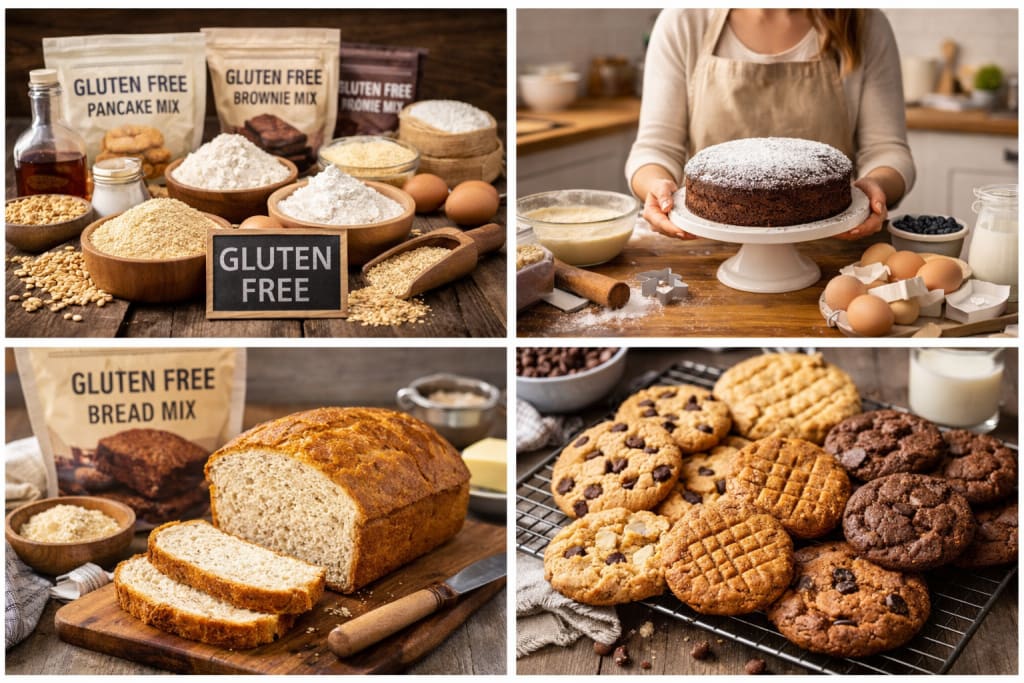
They are used to prepare a wide range of baked goods including breads, cakes, cookies, pancakes, muffins, brownies, waffles, and pizza crusts. The primary value proposition of these products lies in convenience, consistency, and performance—eliminating the complexity associated with gluten-free baking from scratch.
In the United States, the category has gained strong traction as gluten-free eating has become associated not only with medical necessity but also with wellness, digestive comfort, and perceived nutritional benefits. Improved formulation technologies have helped close the sensory gap between gluten-free and conventional baked goods, accelerating acceptance among mainstream households.
Key Growth Drivers
Rising Prevalence of Gluten Intolerance and Health Awareness
A major driver of market growth is the rising diagnosis of celiac disease and increasing recognition of non-celiac gluten sensitivity. Approximately 1% of the U.S. population is estimated to have celiac disease, while a significantly larger group avoids gluten due to digestive discomfort, inflammation concerns, or lifestyle preferences.
Beyond medical needs, gluten-free foods are increasingly associated with clean-label diets, minimal processing, and better digestive health. Consumers are more attentive to ingredient lists and prefer products free from artificial additives and allergens. Gluten-free baking mixes align well with these preferences by offering transparency and control over ingredients used at home.
Home baking further enables consumers to manage sugar content, fat levels, and allergen exposure—making gluten-free mixes a practical solution for families, health-focused individuals, and special-diet households.
Home Baking Culture and Lifestyle Shifts
The sustained popularity of home baking in the United States continues to support strong demand for baking mixes. Baking is increasingly viewed not only as a functional activity but also as a form of emotional wellness, creativity, and family engagement.
Gluten-free baking mixes provide simplicity and reliability, especially for consumers who may lack expertise in gluten-free formulations. These products reduce preparation time and ensure consistent results, which is critical for repeat purchasing.
Seasonal demand during holidays, school events, and family gatherings further strengthens sales volumes. The ability of gluten-free baking mixes to support both everyday consumption and celebratory occasions enhances their relevance across diverse demographic groups.
Product Innovation and Premiumization
Product innovation is a defining growth factor in the gluten-free baking mixes market. Manufacturers are increasingly focused on improving texture, moisture retention, flavor authenticity, and nutritional profiles to rival traditional wheat-based alternatives.
Innovations include the use of ancient grains, high-protein blends, organic ingredients, low-sugar formulations, and functional additions such as fiber or collagen. Premium positioning through non-GMO, vegan, and allergen-free claims enables brands to command higher price points while building consumer trust.
Packaging innovations, including single-serve pouches and family-size formats, further expand usage occasions. As competition intensifies, differentiation through ingredient quality, transparency, and baking performance remains critical.
Market Challenges
Higher Prices and Cost Sensitivity
Despite growing popularity, gluten-free baking mixes remain significantly more expensive than conventional baking products. Specialty raw materials, stringent certification requirements, and dedicated manufacturing processes contribute to higher production costs.
Price sensitivity is particularly evident among middle- and lower-income households, where gluten-free purchases are often limited to medical necessity. While private-label offerings are helping improve affordability, price disparities continue to limit broader household penetration.
Texture, Taste, and Shelf-Life Limitations
Although formulation quality has improved, gluten-free baking mixes still face technical challenges related to elasticity, softness, and moisture retention. Without gluten’s binding properties, some baked goods may crumble easily or dry out more quickly.
Negative first-use experiences can discourage repeat purchases, making sensory performance a critical success factor. Manufacturers must balance clean-label requirements with functional additives to maintain product quality without compromising consumer trust.
Product Segment Analysis
United States Gluten-Free Bread Market
Gluten-free bread remains the most important segment within the category, as bread is a daily dietary staple. Consumers demand improved softness, longer shelf life, and whole-grain nutritional profiles. Continuous innovation is gradually improving acceptance, supporting steady volume growth.
United States Gluten-Free Cookies and Biscuits Market
Cookies and biscuits benefit from impulse buying and indulgent consumption patterns. Gluten removal is less technically challenging in this segment, resulting in higher sensory acceptance. Home baking mixes allow consumers to customize sweetness and ingredients, supporting repeat purchases and seasonal gifting demand.
Corn Flour and Rice Flour Baking Mixes
Corn flour mixes benefit from affordability, familiarity, and cultural acceptance, especially in traditional American and Hispanic cuisines. Rice flour mixes dominate premium applications due to neutral flavor and versatility, making them ideal for first-time gluten-free consumers.
Distribution Channel Insights
Online retail is the fastest-growing channel, driven by convenience, product variety, subscription models, and direct-to-consumer strategies. Supermarkets and hypermarkets remain dominant for volume sales, while convenience stores play a limited but growing role in trial-based purchasing.
Regional Market Insights
California leads the national market due to its health-oriented consumer base and strong innovation ecosystem. New York remains a high-value urban market driven by premium demand, while Texas offers volume-driven growth supported by expanding retail infrastructure and family-oriented households.
Competitive Landscape
The United States gluten-free baking mixes market features both multinational food corporations and specialized gluten-free brands. Major companies operating in this space include General Mills Inc., Conagra Brands, Inc., Kinnikinnick Foods Inc., Williams‑Sonoma Inc., Continental Mills, Inc., Partake Foods, Chebe, Naturpro, King Arthur Baking Company, Inc., and SalDoce Fine Foods.
Each company has been evaluated across five viewpoints: overview, key personnel, recent developments, SWOT analysis, and revenue performance.
Final Thoughts
The United States gluten-free baking mixes market is positioned for steady and sustained growth through 2034. While medical necessity remains a foundational demand driver, lifestyle adoption, clean-label preferences, and continued home-baking culture are expanding the market well beyond its original niche.
Although pricing and formulation challenges persist, ongoing innovation and wider distribution access are steadily improving consumer acceptance. As gluten-free eating continues to integrate into mainstream food culture, baking mixes will remain a critical bridge between health-focused diets and everyday convenience—supporting long-term growth across the U.S. food industry.
About the Creator
The Quiet Disaster of Never Building Assets
Here's something nobody tells you in your twenties: Earned income is a trap disguised as a solution. You work. You get paid. You spend. You work again. The cycle feels productive. You're making money. You're paying bills. You're getting by.
By Destiny S. Harris7 days ago in Trader


Comments (1)
Nice