
Credit - How and Why to Improve Your Score
A short and simple explanation of some of the factors involved with determining your credit score, and how they can be used to your advantage. Building credit shouldn't have to cost you anything.

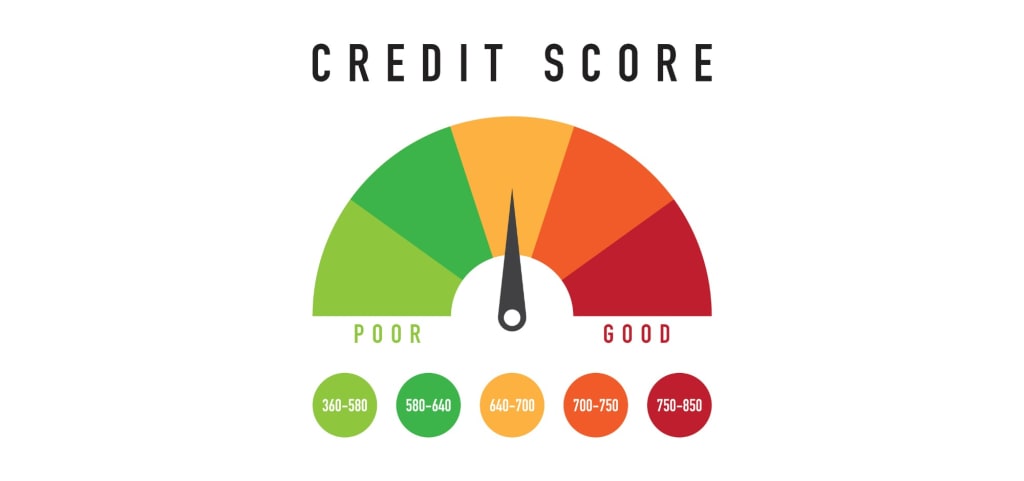
Most of us understand the importance of a good credit score in our modern economy. A great deal of factors in our personal lives can be directly impacted by our credit scores – from the credit that we have access to for buying a car, to the homes that we are able to buy. The purpose of this article is to provide some basic tips to those who are either new in the credit game, or simply want to improve their existing credit scores. This can be simple enough to achieve, but might take a little effort and time. The purpose of this article is to simplify and expedite the process, so that you can earn the credit score that you need to make your financial dreams a reality. These simple strategies typically work very well and are easy to implement. Furthermore, taking steps to improve your credit can be done at little to no cost, and in a manner of months or weeks. To begin with, perhaps we should establish what a good credit score is. A persons credit score (most commonly referred to as a 'FICO' score) is a number determined by several factors and behaviors specific to that individual. The average American's score is about 700-705. A FICO score can, however, reach a possible low of 300, or a high of as much as 850.
Every FICO score is determined by one of the three large Credit Reporting Agencies. (CRAs) These CRAs take note of and establish a record for your financial habits. These CRAs are Equifax, Experian, and TransUnion. As the three agencies operate independently of each other, it is entirely possibly that each of them might award a slightly different score. In general, however, the scores will be much the same. The higher (and therefore better) your credit score is - the more you are likely to be able to qualify for in terms of credit available to you. A better credit score typically results in better credit offers, and typically you may be allowed to pay lower rates for the credit that is extended to you. Generally speaking, those with credit scores at or above the 740-800 range will have access to some of the best credit options available, while those with a low credit score may have to pay more for theirs. As such, if you don’t take action to improve your credit score, you might end up spending thousands (or even tens of thousands) of dollars paying for unnecessarily high interest rates. This is especially true if you consider the average amount of credit that a typical person makes use of over the course of their lifetime. While I am a huge proponent of not taking on unnecessary debt, I recognize the importance improving your credit score. Improving your score will help you to effectively finance the things that you need. A good credit score can also prove crucial when leveraging debt to your advantage to generate wealth.
The Key Factors:
When seeking to improve one’s credit score, there are several key factors that should be kept in mind. These factors are the primary focus of the credit reporting agencies and will directly impact your score. Perhaps the single most important factor to keep in mind is your payment history. One of the biggest concerns of financial institutions is whether they can rely on you to make payments on time. The trick here is consistency. Negative marks on your record [due to missed payments] can stay on your credit report for years. Having a consistent and favorable payment history can go a long way towards improving your credit score, as this alone accounts for about a third of your score. Very nearly as important is credit utilization, which is the amount of credit you use compared to the amount that has been made available to you. A high credit utilization could be taken by a financial institution as a sign that you are artificially supporting your lifestyle with borrowed funds, or are struggling to ‘stay afloat’ financially. As a general rule, you want to keep the present balance on your cards at or below 30% of the amount available. If you can keep your balance below 10%, the CRAs will likely increase your score even more. The length of time you have had access to credit also plays a part in your score. Older accounts will be looked upon more favorably if they are kept active. The average age of your accounts and the frequency with which you use them may also be taken into consideration.
How many applications you make for new credit is also worth thinking about. Several requests in a short timeframe can negatively impact your score. This is because you appear riskier to lend money to. Lenders are forced to consider why (think worst case scenarios) you might need so much new access to credit inside such a short amount of time. As such, taking out 2-3 cards a year or fewer is generally the best approach. Additionally, try to avoid making a request for new credit right before a major purchase, as that is likely to impact your score. The final factor to take into consideration is your “credit mix”, or the different credit types you are employing. A mix of different types of revolving debt, car loans, student loans, and / or mortgages (That have been maintained with on time payments) is usually considered to be a good sign. Although credit mix does only account for a small percentage of your score, it becomes increasingly important as your score rises towards the 850 mark.
Application:
If developing credit is new to you, the good news is that it is relatively easy to get started. If you are a complete beginner, usually the best place to start is with a secured card. These cards generally require a relatively small deposit on your card (to protect the issuer of the card) in case you fail to pay back what you owe. These cards usually do not carry an annual fee, and are excellent for developing credit. Once you have used and faithfully paid off your card for several months, you credit score should improve enough to allow you to qualify for a reasonable unsecured card. The trick here is to simply use your card as you would normally use your cash or debit cards. Try not to go out go out of your way spend money simply because credit is available to you.
If you already have a card, (or several) there are several things you should be doing as well. Focus on increasing your total credit limit. Increasing your credit limit (usually by applying for new credit cards) can keep your utilization low, which will lower your score. It is important to note, however, that the length of time that an account is open for can also be important. It's always best to maintain your oldest accounts if possible. Besides doing that, the single biggest factor is consistency. Don’t buy what you can’t afford. Make payments consistently. If you do that, you will soon have a respectable score. You can then use your improved score to get better terms on mortgages or car loans - or to apply for better card offers. (Often with attractive bonuses or cash back incentives) You decide.
If you already have made some mistakes as far missed payments, there might not be too much you can do in the way of getting those mistakes removed from you credit report. Missed payments can stay on your financial records for as long as seven years. Getting them removed can be a challenge. The good news is, you typically don't need to. There is typically no need to attempt to rid yourself of the bad marks on your record (or pay someone else to) in order to have a decent credit score. To improve your score, you simply need two things: time and consistency. The longer you can remain current on your payments, the better you can expect your score to be. That being said, you may challenge the CRAs to provide evidence of your failure to make payments. If they are unable to do so within a timely fashion, you might possibly be entitled to having them remove it from your credit report for you. Please note - this should only be done if you consider the CRA to be in error. If you would like some more information on this topic, consider checking out the FTC's material on the subject. I left a URL below.
*Please note: I’m not a certified financial planner or advisor. I am also neither a certified financial analyst or a legal expert. For more specific and current information please consult a CPA or other financial professional.
If you need help repairing your credit, consider the source listed below.
https://www.consumer.ftc.gov/articles/0151-disputing-errors-credit-reports
Article By: Apogee
About the Creator
Apogee
Thanks for checking out my bio! What can I say? If you have read some of my work, I hope you liked it. Likewise, I relish the opportunity to discover some of the beautiful work done by my fellow writers. You guys are awesome!
Blox Stock: Investors Are Taking Notice Here’s Why
Blox stock has been gaining attention lately, and many investors are wondering if it’s the right time to buy. With its recent surge and growing market interest, blox stock is becoming a stock to watch closely. They will break down what makes blox stock appealing, analyze trends, and explain why it could play an important role in your investment portfolio.
By John.doe7983 days ago in Trader




Comments (1)
This is necessary to do to save credit history. By the way, I would like to say that in the past I've faced lots of problems connected with my credit score. Unfortunately, I had no idea how to solve and and recently I've accidentally found this resource https://unchex.com/chexsystems-removal and don't know is it worth to use service like that? I'd like to know your opinion.