
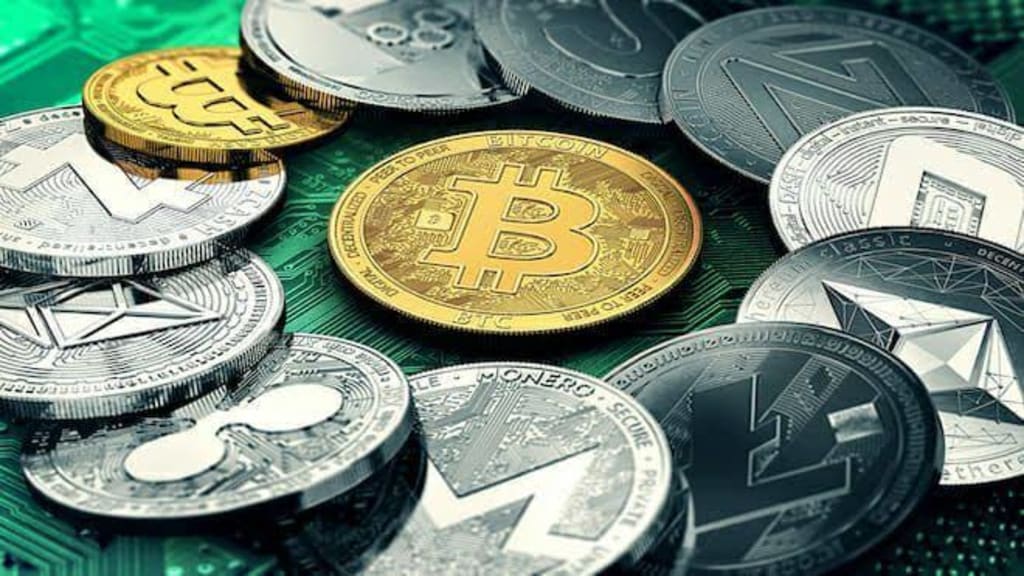
Bitcoin and cryptocurrency have become household names in recent years, with their increasing popularity and potential for investment opportunities. In this article, we will explore what bitcoin and crypto are, how they work, their history, and their potential impact on the future of finance.
What is Bitcoin and Cryptocurrency?
Bitcoin is a type of digital currency that operates independently of a central bank. It was created in 2009 by an individual or group of individuals using the pseudonym Satoshi Nakamoto. Bitcoin uses a decentralized system called blockchain, which records all transactions on a public ledger that is maintained by a network of computers around the world.
Other cryptocurrencies, also known as altcoins, have since emerged, each with their own unique features and uses. Some examples include Ethereum, Litecoin, and Ripple.
How do they work?
Bitcoin and other cryptocurrencies work through a decentralized system that uses blockchain technology. When a transaction occurs, it is verified and recorded on the blockchain by a network of computers. This process is called mining, and it involves solving complex mathematical problems to validate the transaction and add it to the blockchain.
The value of bitcoin and other cryptocurrencies is determined by supply and demand. Unlike traditional currencies, they are not backed by a government or a physical asset, but rather by the perceived value placed on them by investors and users.
History of Bitcoin and Cryptocurrency
Bitcoin was created in 2009 by an individual or group of individuals using the pseudonym Satoshi Nakamoto. The idea behind the creation of Bitcoin was to create a decentralized system that would allow for peer-to-peer transactions without the need for a central authority, such as a bank or government.
Bitcoin gained significant attention in 2013 when its value skyrocketed to over $1,000 per coin. Since then, it has experienced significant price fluctuations, with its value reaching an all-time high of over $60,000 per coin in April 2021.
Other cryptocurrencies, such as Ethereum and Litecoin, were also created in the years following the creation of Bitcoin. Ethereum, for example, was created in 2015 and is used to power decentralized applications and smart contracts.
Potential Impact on the Future of Finance
Bitcoin and other cryptocurrencies have the potential to disrupt the traditional financial system. They offer lower transaction fees and faster processing times compared to traditional banking systems. Cryptocurrencies also offer users greater control over their funds, as they are not subject to the same regulations and restrictions as traditional banks.
However, there are also concerns about the potential risks and drawbacks of cryptocurrencies. They are highly volatile and can experience significant price fluctuations in a short amount of time. There are also concerns about their use in illegal activities, such as money laundering and terrorism financing.
Despite these concerns, many experts believe that cryptocurrencies have the potential to revolutionize the way we think about money and finance. They offer greater control and flexibility for users, which could lead to a more democratized financial system.
Investing in Bitcoin and Cryptocurrency
Investing in Bitcoin and other cryptocurrencies can be a risky endeavor. The highly volatile nature of cryptocurrencies means that their value can fluctuate rapidly, leading to significant gains or losses.
However, for those who are interested in investing in cryptocurrencies, there are a few things to keep in mind. First, it's important to do your research and understand the technology behind the cryptocurrency you are investing in. Second, it's important to diversify your investments and not put all of your money into one cryptocurrency.
Finally, it's important to keep in mind that investing in cryptocurrencies is not a get-rich-quick scheme. It requires patience and a long-term perspective, as the value of cryptocurrencies can be highly unpredictable.
Conclusion
Bitcoin and other cryptocurrencies have emerged as a new and exciting way to think about money and finance. They offer lower transaction fees, faster processing times, and greater control for users. However, they also come with risks and challenges, including volatility and concerns about illegal activities.
Despite these challenges, many experts believe that cryptocurrencies have the potential to revolutionize the way we think about money and finance. As the technology continues to evolve, it will be interesting to see how it develops and impacts the future of finance. If you are interested in investing in cryptocurrencies, it's important to do your research, diversify your investments, and have a long-term perspective.
About the Creator
Keep reading
More stories from Mohamed Samy and writers in Trader and other communities.
Health and Wellness
Health and wellness are essential aspects of our lives that contribute to our overall well-being. A healthy lifestyle can help us to prevent chronic diseases, improve mental health, and increase our energy levels. In this article, we will explore the benefits of health and wellness, some tips for achieving a healthy lifestyle, and the impact of health and wellness on our society.
By Mohamed Samy3 years ago in 01
Global Convenience Store Market Size & Forecast 2025–2033: The Rise of Instant Retail in a Fast-Moving World
Global Convenience Store Market Outlook The global convenience store market is entering a powerful phase of expansion as modern lifestyles continue to prioritize speed, accessibility, and flexibility in daily shopping. According to Renub Research, the convenience store market is expected to grow from US$ 801.23 billion in 2024 to US$ 1,406.27 billion by 2033, registering a compound annual growth rate (CAGR) of 6.45% from 2025 to 2033.
By Sakshi Sharmaabout 22 hours ago in Trader
Australia Plant-Based Food Market Set for Triple-Digit Expansion as Health, Sustainability and Innovation Align
The Australia plant-based food market is transforming from a niche segment into a mainstream pillar of the country’s food and beverage ecosystem. According to the latest research by IMARC Group, the market reached USD 330.4 million in 2024 and is expected to expand significantly to USD 981.3 million by 2033, growing at a compound annual growth rate (CAGR) of 11.50% during 2025–2033.
By Rashi Sharma2 days ago in Trader
Whiskey At Dusk
Guess the whiskey was more important to you in the end, wasn’t it? It was more than the well-being of your friends; more vital than showing up to the places you promised you would and could come to; more critical of a matter than fulfilling your damn responsibilities and getting the press off your back.
By Snarky Lisa7 days ago in Humans




Comments
There are no comments for this story
Be the first to respond and start the conversation.