
Australia Plant-Based Food Market Set for Triple-Digit Expansion as Health, Sustainability and Innovation Align
Driven by shifting consumer preferences, expanding retail channels and diversified product formats, Australia’s plant-based food market is projected to grow from USD 330.4 million in 2024 to USD 981.3 million by 2033 at a CAGR of 11.50%.

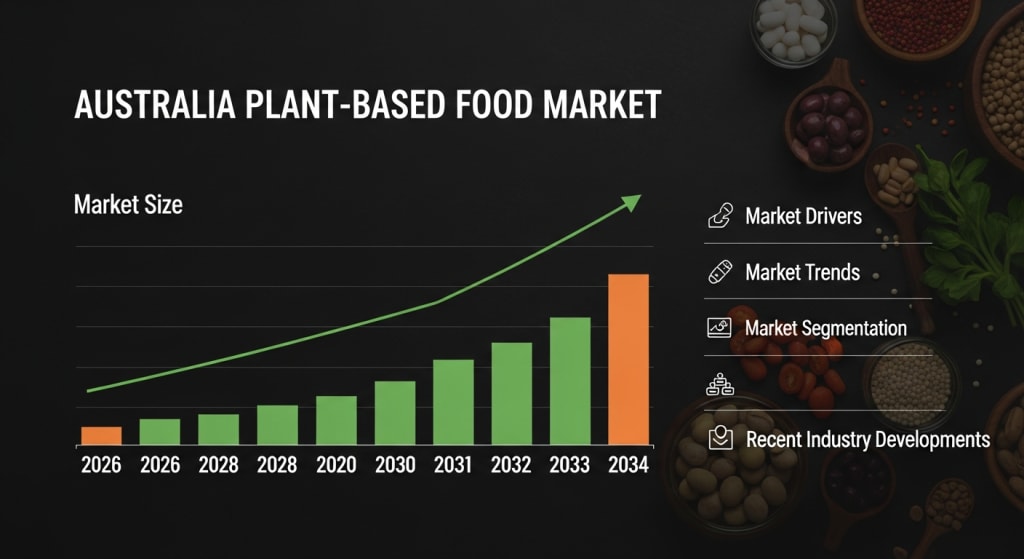
The Australia plant-based food market is transforming from a niche segment into a mainstream pillar of the country’s food and beverage ecosystem. According to the latest research by IMARC Group, the market reached USD 330.4 million in 2024 and is expected to expand significantly to USD 981.3 million by 2033, growing at a compound annual growth rate (CAGR) of 11.50% during 2025–2033.
This remarkable trajectory reflects evolving consumer preferences for health-oriented and ethically produced foods, increasing product innovation, and enhanced market accessibility. What was once a niche collection of meat and dairy alternatives is now a broad spectrum of plant-based foods spanning dairy substitutes, ready meals, snacks, condiments and more. Retailers in Australia’s major supermarket chains and online platforms are expanding plant-based offerings to meet diverse consumer tastes and lifestyles — from vegans to flexitarians and environmentally conscious shoppers.
The growth story is underpinned by a convergence of cultural shifts, technological advancements, and economic dynamics. As consumers become more aware of the environmental impacts of traditional animal agriculture, they are seeking nutritious and sustainable alternatives. At the same time, manufacturers are responding with products that balance clean-label credentials and functional benefits, such as protein-enriched formulations that appeal to lifestyle-driven purchasing decisions.
The trajectory from niche health food aisles to mainstream supermarket shelves illustrates that plant-based foods have gained a foothold far beyond early adopters. Increased product variety, improvements in taste and texture, and rising health consciousness are inviting a broader demographic into the plant-based fold, while online retail expansion ensures nationwide accessibility — from urban centres to rural regions.
As the industry advances, so too does its economic and cultural footprint. Plant-based foods in Australia are increasingly linked not just to personal health but to broader sustainability narratives, including climate commitments, local agricultural diversification and ethical production practices that resonate with consumers and stakeholders alike.
Why the Market Is Growing So Rapidly
1. Shifting Consumer Lifestyles and Health Awareness
Australian consumers are placing greater emphasis on wellness, dietary flexibility and preventive health, driving interest in plant-based food options perceived as lower in saturated fats and aligned with wellness goals. Products formulated to be nutrient-dense and clean-label appeal strongly to this cohort.
2. Sustainability and Ethical Considerations
Environmental concerns, including climate change and animal welfare, are motivating many consumers to reduce animal product consumption. Plant-based foods are increasingly positioned as ethical choices that align with broader sustainability values, encouraging trial and repeat purchases.
3. Product Innovation and Diversification
Beyond traditional substitutes, plant-based products now span multiple meal occasions — from snacks and desserts to sauces and ready meals. Ingredient diversity, including legumes, grains and fortified blends, boosts both nutritional value and flavour profiles, attracting a wider consumer base.
4. Expanded Retail and Distribution Channels
Major Australian supermarkets, health food stores and online platforms are increasing shelf space and visibility for plant-based products. This enhances convenience and normalizes plant-based options for everyday shopping, extending reach beyond metropolitan areas into regional markets.
5. Integration of Indigenous and Local Ingredients
Innovative use of native Australian botanicals and locally sourced ingredients — such as wattle seed and macadamia — provides unique flavour profiles and regional identity, differentiating Australian plant-based offerings and appealing to both domestic and international consumers.
What the Opportunities Are
1. Premium and Functional Product Segments
There is strong potential for premium plant-based foods with added functional benefits — such as higher protein, fortified micronutrients, or gut-friendly formulations — appealing to health-focused consumers.
2. E-commerce and Direct-to-Consumer Channels
Online retail remains a high-growth channel, especially for niche, allergen-friendly and specialty products that may not be widely stocked in physical stores.
3. Indigenous Ingredient-Enabled Innovation
Capitalizing on Australia’s biodiversity and indigenous botanical ingredients can create differentiated products with authentic regional narratives that resonate globally.
4. Foodservice and HoReCa Integration
Partnering with cafés, restaurants and foodservice operators to incorporate plant-based options into menus can increase tasting occasions and drive mainstream adoption.
5. Export and International Market Development
With established agricultural export infrastructure, Australian plant-based foods are well-positioned to enter growth markets in Asia and the Middle East where demand for clean-label and sustainable foods is rising.
6. Strategic Partnerships for R&D
Collaborations between food manufacturers, research institutions and startups can accelerate new product development while enhancing quality and scalability.
7. Retailer-Driven Private Label Expansion
Major retailers can develop their own plant-based private label ranges, increasing affordability and expanding consumer choice across price points.
Recent News & Developments in Australia Plant-Based Food Market
• January 2025: Retail giants expanded plant-based sections in supermarkets nationwide, including larger shelf space for dairy and meat substitutes. This move reflects increasing consumer demand data and is expected to boost sales by improving product visibility and variety — particularly across online channels where distribution now covers regional Australia for the first time.
• April 2025: A leading Australian plant-based brand announced the launch of a carbon-neutral meat alternative range into major supermarket chains, priced competitively with conventional meat products and using reduced-plastic packaging. This development aligns sustainability claims with mainstream accessibility, accelerating adoption among cost-sensitive consumers.
• July 2025: A national food innovation initiative unveiled a pilot programme supporting startups developing plant-based protein solutions from indigenous crops. The initiative includes grant funding, R&D support and market access pathways, reinforcing government and industry collaboration toward sustainable food system transformation.
Why Should You Know About the Australia Plant-Based Food Market?
The Australia plant-based food market represents a confluence of consumer health trends, sustainability imperatives and food innovation. For investors, the sector offers a compelling growth trajectory backed by solid demand fundamentals and diversified product categories. For food manufacturers and retailers, plant-based foods present opportunities to differentiate, innovate and engage new customer segments. For policymakers and sustainability advocates, plant-based foods support broader goals of reduced environmental impact and healthier diets.
As plant-based foods move deeper into mainstream consumption, they are increasingly influencing how Australians eat, shop and think about food — making this market one of the most dynamic and impactful segments within the broader food industry.
About the Creator
Rashi Sharma
I am a market researcher.
Keep reading
More stories from Rashi Sharma and writers in Trader and other communities.
Australia Waste Management Market Poised for Steady Growth on the Back of Sustainability and Infrastructure Investment
The Australia waste management market is becoming increasingly strategic as environmental sustainability and infrastructure modernization rise up the national agenda. According to IMARC Group, the market was valued at USD 3.4 billion in 2024, and it is expected to reach USD 5.3 billion by 2033, exhibiting a compound annual growth rate (CAGR) of 5.18% during 2025–2033.
By Rashi Sharmaabout 9 hours ago in Trader
Stanislav Kondrashov on the Quiet Power Shift: How Tesla, Meta, and Microsoft Are Shaping Global Markets
The focus of economic commentary often falls on interest rates, central bank policy, or the strength of national currencies. But beneath these surface-level fluctuations, a deeper shift is taking place—one led not by policymakers, but by technology companies. According to Stanislav Kondrashov, founder of TELF AG, firms like Tesla, Meta, and Microsoft are increasingly becoming the defining forces behind market behaviour.
By Stanislav Kondrashova day ago in Trader
alex honnold net worth: How Fearless Climbing Turned Passion into Lasting Wealth
alex honnold net worth is the result of a rare mindset and years of brave choices. Alex Honnold became famous for climbing huge rock walls without ropes. This risky path was not about money at first. It was about focus, control, and love for climbing. Over time, his bold actions brought global attention. That attention helped turn passion into income. Today, alex honnold net worth reflects both courage and smart decisions.
By John.doe7984 days ago in Trader




Comments
There are no comments for this story
Be the first to respond and start the conversation.