
Bank of England cuts interest rates to 4.5% and slashes UK growth forecast
Bank of England cuts interest rates

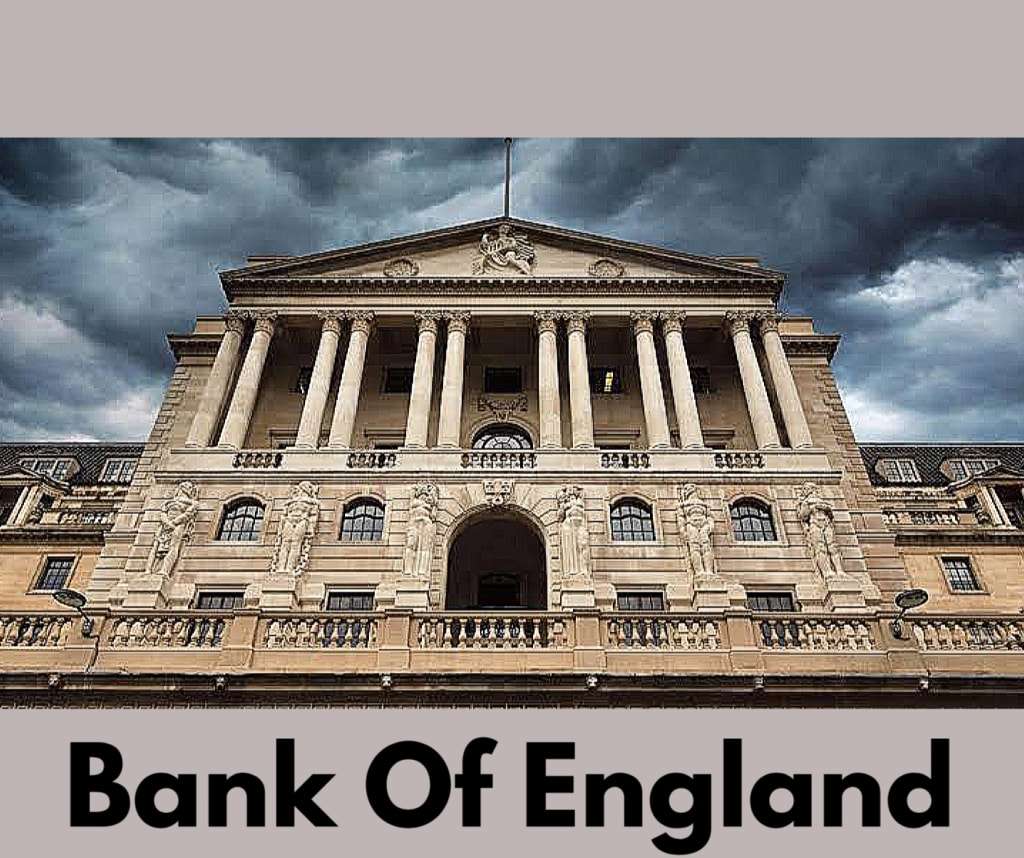
The Bank of England (BoE) has made a significant move by cutting interest rates to 4.5%, a decision that has caught the attention of both financial markets and households across the UK. Along with this rate cut, the BoE has also revised its economic growth forecast for the country, signaling concerns about the ongoing economic challenges. In this article, we’ll break down what this rate cut means, why it’s happening, and what it could mean for the UK economy in the coming months.
---
What is the Interest Rate Cut?
Interest rates are the cost of borrowing money. When the Bank of England lowers interest rates, it makes borrowing cheaper for businesses and consumers. In this case, the Bank of England has reduced its key interest rate to 4.5%, down from 4.75%. This move comes after a period of tightening policies to control inflation, which had pushed interest rates higher in recent years.
For many, lower interest rates mean that loans, mortgages, and credit become more affordable. This can help stimulate spending, boost investment, and support economic growth. However, the BoE’s decision to cut rates is also a sign that the central bank is worried about the pace of recovery in the UK economy.
---
Why Has the Bank of England Cut Interest Rates?
There are several reasons behind the Bank of England’s decision to lower interest rates.
1. Weak Economic Growth: The UK economy has been struggling in recent months, with slower-than-expected growth in key sectors. Higher interest rates, which were meant to combat inflation, have also made borrowing more expensive, affecting consumer spending and business investment. The BoE hopes that by cutting rates, it will encourage people to borrow more, spend more, and ultimately stimulate growth.
2. Inflationary Pressures Easing: Inflation, the rate at which prices rise, has been a major concern for the Bank of England. However, recent data suggests that inflation is beginning to ease. While it remains above the BoE’s target, the central bank believes that cutting rates could help maintain a balance by providing some relief to households and businesses struggling with rising prices.
3. Global Economic Uncertainty: The global economy is facing several challenges, from supply chain disruptions to rising energy costs and geopolitical tensions. These factors have contributed to economic uncertainty in the UK, and the BoE has taken action to protect the country’s economic stability by reducing interest rates.
---
Bank of England’s Revised Growth Forecast
Along with the interest rate cut, the Bank of England has slashed its growth forecast for the UK. Initially, the BoE had projected a moderate recovery in 2025, but now it predicts slower growth due to ongoing economic challenges. The Bank revised its UK growth forecast for this year to just 1%, down from a previous estimate of 1.5%.
This adjustment reflects the economic reality faced by many households and businesses in the UK. Factors like higher borrowing costs, inflation, and global uncertainties are expected to weigh heavily on growth. While the BoE hopes that the rate cut will provide some relief, it acknowledges that the road to recovery may be slower than initially anticipated.
---
What Does This Mean for Consumers and Businesses?
The Bank of England’s interest rate cut and revised growth forecast will have wide-ranging effects on consumers and businesses. Let’s take a closer look at how this could impact everyday life.
For Consumers
Cheaper Loans and Mortgages: With the interest rate at 4.5%, loans and mortgages are expected to become cheaper. This could be good news for people who are looking to take out a loan or remortgage their homes, as monthly payments may decrease. However, for those with existing variable-rate loans or mortgages, they may see some relief as their payments become more affordable.
Saving Accounts: On the downside, savings accounts may offer lower returns. If you have money saved in an interest-bearing account, the return on your savings may drop slightly.
Cost of Living:While the rate cut may help ease inflationary pressures, the cost of living remains a challenge. Rising energy costs, grocery prices, and rent are still concerns for many UK households. The rate cut alone may not be enough to ease these pressures.
For Businesses
Cheaper Borrowing: For businesses, the interest rate cut may make it easier to borrow money for expansion, hiring, or investment. Lower borrowing costs could encourage more businesses to invest in growth and innovation.
Investment Confidence: However, businesses may still feel cautious due to the revised growth forecast and ongoing global uncertainties. Some may hold off on making large investments until they feel more confident about the economy’s recovery.
---
What’s Next for the UK Economy?
The Bank of England’s decision to cut interest rates shows that the central bank is trying to balance the need for growth with the challenges of inflation and global uncertainty. While the rate cut may provide some relief to consumers and businesses, the overall economic situation remains fragile.
In the coming months, we may see further adjustments from the BoE as it continues to monitor inflation, economic growth, and global events. If inflation continues to ease and economic conditions improve, the BoE may look to gradually raise interest rates again. However, for now, the focus is on boosting growth and supporting the economy through a period of uncertainty.
Final Thoughts
The Bank of England’s decision to cut interest rates to 4.5% and revise its growth forecast highlights the challenges facing the UK economy. While the rate cut may offer some relief to consumers and businesses, the BoE remains cautious about the pace of recovery. As we move forward, it will be important to monitor how these changes impact the broader economy and whether they are enough to stimulate growth in the face of ongoing global challenges.
About the Creator
Ebrahim Chowdhury
Sta rt writing...
Keep reading
More stories from Ebrahim Chowdhury and writers in Trader and other communities.
Super Bowl food: Appetizer recipes to make for the big game
The Super Bowl is more than just a football game—it’s a day filled with excitement, fun, and, of course, delicious food! Whether you're hosting a party or just watching with family, the right appetizers can make all the difference. The best Super Bowl snacks are easy to make, shareable, and packed with flavor.
By Ebrahim Chowdhury 12 months ago in Lifehack
Stanislav Kondrashov: Greenland’s Untapped Mineral Resources Signal a Strategic Shift
Greenland, the world's largest island, has remained largely uncharted in terms of its geological potential. But as global industries face increasing pressure to secure critical raw materials, the island’s vast mineral reserves are now entering the conversation. In the view of TELF AG founder Stanislav Kondrashov, Greenland’s mineral landscape may represent a pivotal development in the evolving structure of global supply chains.
By Stanislav Kondrashov2 days ago in Trader
78% of People Live Paycheck to Paycheck. Does This Include You?
A 2023 survey conducted by Payroll.org found that 78% of Americans live paycheck to paycheck, a 6% increase from the year before. According to reporting by Forbes, this means more than three-quarters of people struggle to save or invest after covering monthly expenses.
By Destiny S. Harris7 days ago in Trader




Comments
There are no comments for this story
Be the first to respond and start the conversation.