
Australia Skin Treatment Market Set for Steady Growth as Clinical and Aesthetic Care Converge
Rising consumer awareness, increasing dermatological care and evolving aesthetic preferences are fueling a near-USD 500 million skin treatment market by 2034.

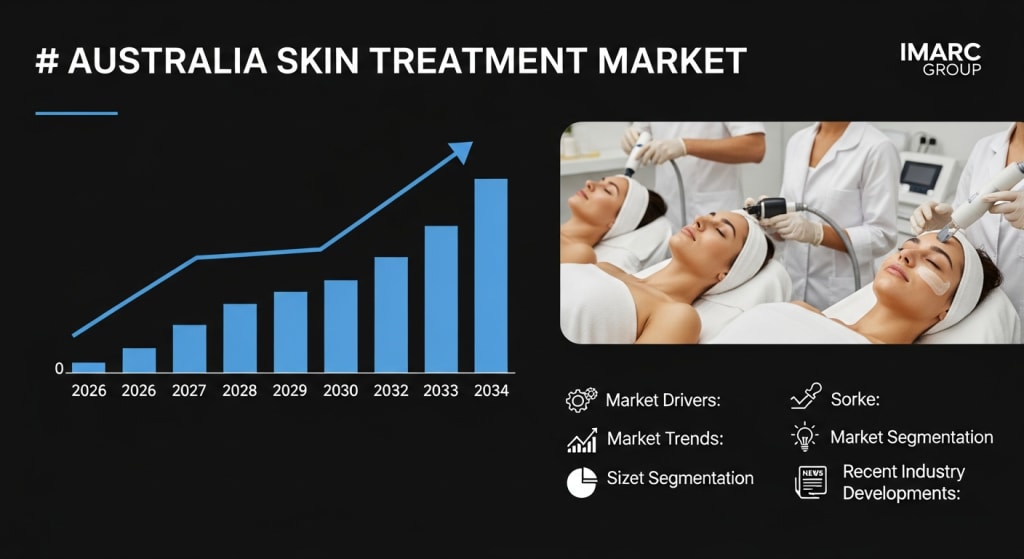
The Australia Skin Treatment Market is witnessing sustained expansion as dermatological care and aesthetic services increasingly intersect with preventive and corrective health practices. According to IMARC Group’s latest research, the market was valued at USD 376.84 million in 2025 and is expected to reach USD 498.25 million by 2034, growing at a compound annual growth rate (CAGR) of 3.02% during 2026–2034.
This market encompasses a variety of professional skin treatment procedures — from chemical peels and microdermabrasion to microneedling and traditional beauty treatments — delivered across diverse settings such as clinics, hospitals, medical spas, and even at-home regimens. Growth in the sector is underpinned by increasing consumer consciousness about skin health, rising disposable incomes, and broader acceptance of professional dermatological interventions that blend medical efficacy with aesthetic outcomes.
Australia’s unique climate conditions — notably high sun exposure — contribute to both preventive and corrective treatment demand, shaping a market where dermatology is increasingly viewed as integral to health and wellness rather than purely cosmetic.
Why the Market Is Growing So Rapidly
1. Increasing Awareness About Skin Health
Heightened public awareness regarding skin conditions — from acne and hyperpigmentation to early signs of aging — has elevated the importance of professional interventions. Unlike over-the-counter solutions, clinical treatments offer targeted, evidence-based outcomes that appeal to consumers seeking lasting results. Awareness campaigns and education around skin cancer prevention also contribute to regular dermatological check-ups where aesthetic opportunities are identified.
2. Rising Disposable Incomes and Consumer Spending
Improved economic conditions and higher disposable incomes have expanded access to professional skin treatments that were once considered premium or elective. With greater financial capacity, consumers are investing in procedures that promise both health benefits and enhanced appearance — spanning acne management, pigmentation correction, and anti-aging therapies.
3. Prevalence of Skin Conditions Driving Clinical Demand
Skin ailments such as acne — which alone accounts for a significant 32.0% share of the total market in 2025 — drive repeat visits and long-term treatment plans. Patients increasingly seek dermatologist-led care for conditions that impact physical comfort as well as psychological wellbeing, such as chronic acne, melasma, and atopic dermatitis.
4. Dominance of Clinics and Hospital Settings
Professional clinical environments dominate the market — capturing 58.7% of end-user share in 2025 — because they provide comprehensive diagnostic and treatment capabilities. Qualified dermatologists, advanced equipment, and regulatory compliance make these settings the preferred choice for both medical and aesthetic skin care, encouraging trust and repeat patronage.
5. Urban Market Dynamics and Infrastructure Concentration
New South Wales leads regional demand with a 34.2% share of the market in 2025, reflecting higher urban population density, greater access to specialised dermatology facilities, and elevated cosmetic spending in metropolitan centres. Urban consumers demonstrate a proactive approach to both preventative and elective treatments, while regional disparities underscore opportunities for broader geographic penetration.
What the Opportunities Are
1. Expansion of Minimally Invasive Treatments
Non-surgical procedures like micro-needling, chemical peels, and light/laser therapies continue gaining traction due to minimal downtime and reliable results. Providers that expand such offerings can capture both first-time and repeat patients.
2. Integrated Clinical-Cosmetic Service Models
Dermatology practices that combine medical oversight with aesthetic services — from acne therapy to pigmentation correction — can position themselves as comprehensive skin care hubs, appealing to clients seeking holistic outcomes.
3. Growth in Male Participation
Although women dominate the market (≈87.9% share in 2025), growing aesthetic awareness among men presents a clear opportunity to diversify clientele through male-focused marketing and tailored service packages.
4. Tele-Dermatology and Digital Consultations
Digital health platforms that facilitate remote consultations and follow-ups can improve access for patients in regional or remote areas, addressing geographic imbalances while building a scalable service model.
5. Partnerships with Skincare and Beauty Brands
Collaborations between clinical providers and skincare brands — especially those with dermatologically tested lines — can create bundled treatment-plus-product offerings that enhance outcomes and strengthen customer loyalty.
6. Prevention-Focused Campaigns and Wellness Programs
Providers can develop preventive screening bundles as lifestyle health services — encouraging regular check-ups and early interventions that reduce long-term treatment costs and improve patient life quality.
7. Training and Quality Assurance Initiatives
As the market expands, investing in practitioner training and standardisation can enhance patient trust, reduce treatment variability, and support premium pricing across service categories.
Recent News & Developments in Australia Skin Treatment Market
• March 2025: March 2025: The Australasian College of Dermatologists endorsed guidelines promoting the ethical use of artificial intelligence (AI) in dermatological diagnostics, encouraging safe adoption of AI-assisted imaging tools across clinics. This move supports broader digital integration and could improve early detection and personalised treatment planning in clinical practices.
• June 2025: June 2025: A leading national dermatology and aesthetic chain reported a 25% year-over-year increase in demand for combined acne and anti-aging treatment programs, highlighting robust patient interest in multi-purpose regimens. Clinics also noted a rise in consultations involving preventative skin health, especially among urban Millennials and Gen X demographics.
• October 2025: October 2025: Government-backed preventive health campaigns emphasising regular skin checks and early intervention strategies saw expanded rollout nationally, with data showing over 60% of Australians now participating in skin health awareness programs. This reflects health authorities’ continued focus on integrating skin care into public wellness initiatives.
Why Should You Know About the Australia Skin Treatment Market?
For investors, the Australia skin treatment market represents a resilient and evolving segment within the broader healthcare and wellness landscape. Its steady CAGR of approximately 3% through 2034 reflects enduring demand driven by both health imperatives and aesthetic aspirations.
For clinic owners and service providers, this market highlights the benefit of integrating clinical precision with consumer-friendly service models. Facilities that offer both medical and aesthetic skin solutions can capitalise on overlapping patient needs and command greater lifetime value per customer.
For policy makers and healthcare planners, understanding the interplay between preventive dermatology, public health campaigns, and aesthetic practices helps shape frameworks that promote early intervention, standardised care and equitable access — important in a nation with one of the world’s highest rates of skin cancer and climate-related skin concerns.
As consumer expectations continue to evolve and digital tools enhance care delivery, the Australia skin treatment market stands at the intersection of health, beauty and wellness — a space where clinical science and consumer lifestyles meet to drive meaningful growth.
About the Creator
Rashi Sharma
I am a market researcher.
Keep reading
More stories from Rashi Sharma and writers in Trader and other communities.
Australia Healthcare Asset Management Market Poised to Reach USD 1.28 Billion as Tech and Efficiency Drive Adoption
The Australia Healthcare Asset Management Market is undergoing transformative growth as hospitals, clinics, laboratories and pharmaceutical companies adopt advanced technologies to improve operational efficiency, safety and cost control. According to the latest IMARC Group research, the market reached USD 550.3 million in 2025 and is anticipated to grow to USD 1,277.6 million by 2034, achieving a compound annual growth rate (CAGR) of 9.81% during 2026–2034.
By Rashi Sharmaabout 6 hours ago in Trader
Netflix's fourth-quarter 2025 earnings show strong revenue growth, as the Warner deal is imminent.
Netflix finished 2025 with a solid fourth-quarter performance, exceeding Wall Street's expectations and demonstrating the streaming giant's continued relevance in an entertainment industry that is changing quickly. But the spotlight on its latest earnings report was partly overshadowed by one of the most consequential strategic moves in the company’s history — its pursuit of Warner Bros. Discovery’s studio and streaming assets in a massive acquisition effort that’s captured investor attention and sparked both optimism and concern.
By Raviha Imranabout 18 hours ago in Trader
The Devil's Cut
“Comrade, finally you’re awake.” The voice was smooth, sensual. A flickering incandescent bar was all that lit the white, sterile room. All Vladimir remembered was everything going black. He tried to move his arms and found them strapped to the gurney.
By Matthew J. Fromm7 days ago in Fiction


Comments
There are no comments for this story
Be the first to respond and start the conversation.