
Australia Bedsheet Market: Steady Growth Fueled by Sustainability, Technology & E-Commerce
Demand for eco-friendly fabrics, smart textiles and minimalist design drives market toward USD 3.07 billion by 2033

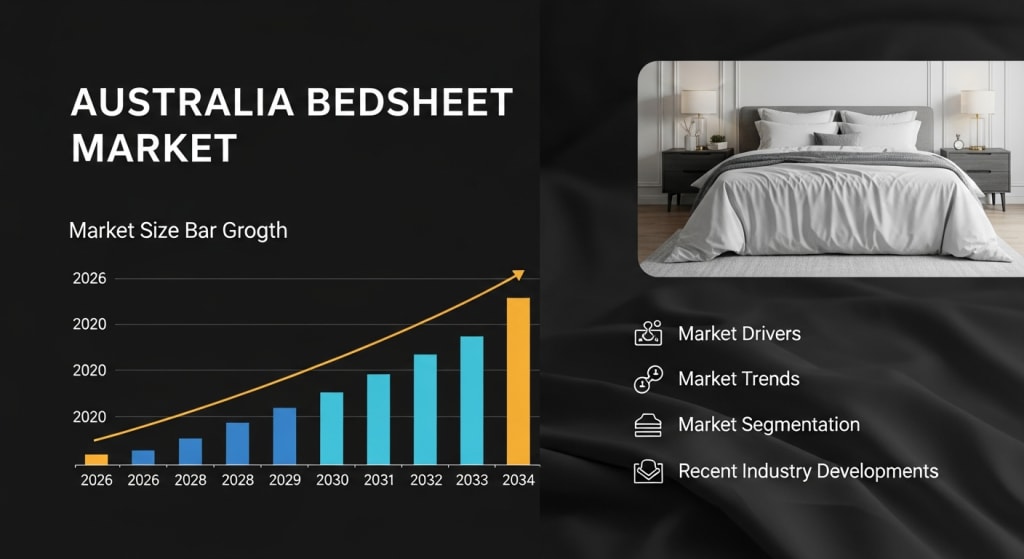
The Australia bedsheet market is expanding steadily as consumer preferences shift toward sustainable materials, high-performance textiles and digitally enabled purchasing experiences. According to IMARC Group’s latest research, the market reached USD 2,236.36 million in 2024 and is projected to grow to USD 3,069.20 million by 2033, recording a CAGR of 3.58% during the 2025–2033 forecast period.
This growth trajectory underscores evolving lifestyle trends — from a focus on environmental sustainability to rising demand for enhanced sleep comfort, functionality and online retail convenience. As Australian consumers increasingly personalise their living spaces, bedsheets are no longer just functional textiles but essential elements of modern home décor and wellbeing.
Why the Market Is Growing So Rapidly
1. Sustainability and Eco-Conscious Consumer Behaviour
A major driver of market growth is rising demand for sustainable and environmentally friendly bedding materials. Buyers increasingly prefer products made from organic cotton, bamboo, hemp and recycled fabrics, motivated by concerns about environmental impact, chemical usage and waste reduction. Manufacturers are responding by adopting eco-certifications, natural dyes and ethical sourcing practices to meet this demand.
This sustainability trend aligns with broader environmental awareness in Australia, where consumers increasingly integrate responsible purchasing into everyday products — extending beyond apparel into home textiles including bedsheets.
2. Technological Advancements in Fabric Performance
Innovation in fabric technology is also reshaping the market. Intelligent bedsheets featuring temperature-control materials, moisture-wicking properties and antimicrobial finishes are gaining traction among consumers seeking personalised sleep experiences. These performance features help maintain comfort across Australia’s varied climate zones and appeal to health-conscious buyers.
Such functional textiles — often marketed as premium or luxury products — are enhancing value beyond basic utility, encouraging repeat purchase and brand loyalty.
3. Rising Influence of Minimalist Home Décor
Minimalist home décor trends — featuring neutral tones such as whites, greys and beiges — are influencing bedsheet design and consumer choice. These aesthetic preferences reflect broader interior design movements that prioritise clean lines, simplicity and serene living spaces.
Bedsheets that align with minimalist style not only fit modern interior themes but also appeal to consumers who value classic design and easy coordination with other home furnishings.
4. Growth of Online Retail and Direct-to-Consumer Brands
E-commerce expansion is significantly broadening the reach of bedsheet products across Australia. Direct-to-consumer (DTC) brands and online marketplaces enable consumers to access a wider range of choices — from budget-friendly basics to premium and customised options — often with home delivery convenience.
Improved mobile commerce, digital marketing and logistics fulfilment are helping brands attract customers in both urban and regional markets, supporting sustained market growth.
5. Health & Comfort Focused Purchasing
Health and comfort considerations — such as breathable fabrics for sensitive skin and hypoallergenic materials — are increasingly influencing purchasing decisions. Consumers are placing higher value on products that promote restful sleep, enhance personal comfort and complement overall wellness routines.
This trend dovetails with broader lifestyle shifts toward holistic wellbeing and preventive health, positioning premium textiles as desirable home goods.
What the Opportunities Are
1. Smart and Functional Textile Innovations
Developing intelligent bedsheets with advanced features — such as sleep-tracking sensors, active temperature regulation or adaptive fabric blends — can capture premium segments and tech-oriented consumers.
2. Expansion of Eco-Certified and Organic Product Lines
Brands that emphasise certified organic, biodegradable or low-impact materials can differentiate themselves in a market increasingly driven by sustainability preferences.
3. Enhanced Customisation and Personalisation Services
Offering personalised bedding options — such as tailored sizes, monogramming or fabric choices — can attract consumers seeking unique or gift-oriented products.
4. Stronger Brand Presence on E-Commerce Platforms
Investing in digital storefronts, social commerce strategies and influencer partnerships can expand market visibility and drive conversion, especially among younger, digitally native buyers.
5. Omni-Channel Retail Experiences
Blending online convenience with physical showroom experiences — such as sample displays in furniture or bedding stores — can help bridge digital and in-store consumer pathways, enhancing brand trust.
6. Partnerships With Home Décor and Furniture Brands
Collaborations with interior design brands, furniture retailers and lifestyle influencers can help position bedsheet products within broader home overhaul campaigns and seasonal trends.
7. Targeted Solutions for Commercial Segments
Expanding into commercial applications — such as hotels, resorts and serviced apartments — offers growth opportunities, especially where high-quality, durable bedding products are essential.
• March 2025: Government & Regulatory Action: The Australian Government expanded national sustainability initiatives targeting textile waste reduction, emphasising eco-friendly materials and recycling standards. New guidelines encourage manufacturers to prioritise biodegradable fabrics and lower environmental impact processes — reinforcing consumer demand for sustainable bedsheets and related home textiles.
• June 2025: Company Expansion & Product Launch: Several local brands unveiled new eco-certified bedsheet collections featuring organic cotton and bamboo blends tailored for Australian households. These launches emphasise both sustainability credentials and performance features like breathability and softness, catering to mid- to premium-tier consumer segments and helping strengthen brand differentiation.
• September 2025: Market Adoption & Retail Metrics: Industry data showed continued expansion of e-commerce penetration across home textile categories, with online sales of bedsheets growing year-on-year as digital shopping becomes more prevalent in both urban and regional Australia. Retailers reported double-digit percentage increases in online bedsheet transactions during major seasonal sales events, reflecting wider consumer comfort with online home goods purchasing.
Why Should You Know About the Australia Bedsheet Market?
For investors, the Australia bedsheet market presents a stable and resilient growth opportunity — expanding from USD 2.24 billion in 2024 to USD 3.07 billion by 2033 at a 3.58% CAGR shaped by evolving consumer behaviour and product innovation.
For product manufacturers and retailers, the convergence of sustainability, technology and e-commerce creates fertile ground to innovate, differentiate and capture niche segments — especially those that value eco-credentials and functional performance.
For policy makers, encouraging sustainable textile practices aligns with broader environmental goals and supports consumer welfare by promoting safer, ethically produced products.
The bedsheet market exemplifies how everyday household items can evolve with consumer values, digital transformation, and sustainability imperatives — making it a noteworthy segment within Australia’s broader home goods and textiles landscape.
About the Creator
Rashi Sharma
I am a market researcher.
Keep reading
More stories from Rashi Sharma and writers in Trader and other communities.
Australia Oxygen Concentrator Market: Steady Growth Toward USD 189 Million by 2033
The Australia oxygen concentrator market is experiencing sustained expansion as chronic respiratory conditions, an ageing population, and rising awareness of home-based oxygen therapy continue to shape healthcare delivery. According to IMARC Group’s latest research, the market reached USD 98.00 million in 2024 and is projected to grow to USD 189.21 million by 2033, representing a CAGR of 6.80% over the 2025–2033 forecast period.
By Rashi Sharmaa day ago in Trader
What Gold, Copper, and Bitcoin Are Really Telling Us
For decades, gold and copper have occupied very different roles within the global financial system. Gold has traditionally been viewed as a crisis asset. Its demand rises during periods of economic stress, financial instability, or declining trust in monetary policy. Copper, by contrast, is deeply tied to real economic activity. Its price reflects industrial demand from construction, infrastructure investment, electronics, and manufacturing. When copper prices rise, markets typically interpret it as a signal of economic expansion and improving growth expectations.
By crypto genie7 days ago in Trader
Merritt Dawsley’s Analysis of Today’s Gold Price and Its Potential for New Highs
Merritt Dawsley, a global macro strategist known for his structured analytical frameworks and deep understanding of financial markets, views the current precious metals environment through a broader macro and policy lens. Rather than isolating gold price movement as a standalone phenomenon, he places it within the context of shifting interest rate expectations, safe-haven demand, and the evolving monetary policy landscape that now characterizes global markets.
By CyberMacroabout 8 hours ago in Trader




Comments
There are no comments for this story
Be the first to respond and start the conversation.