
Australia Oxygen Concentrator Market: Steady Growth Toward USD 189 Million by 2033
Expanding respiratory care, home-based therapy, and tech innovation drive demand in medical oxygen solutions

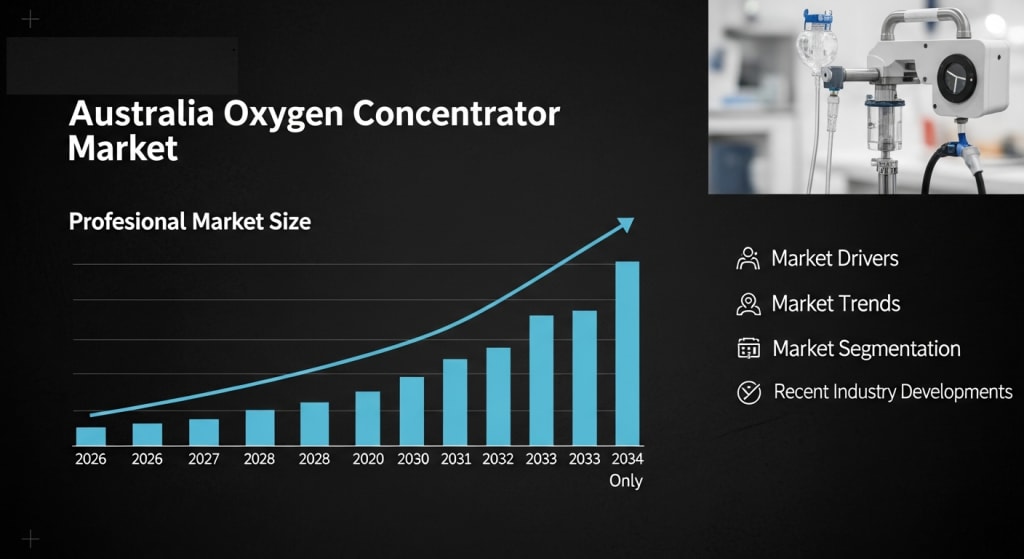
The Australia oxygen concentrator market is experiencing sustained expansion as chronic respiratory conditions, an ageing population, and rising awareness of home-based oxygen therapy continue to shape healthcare delivery. According to IMARC Group’s latest research, the market reached USD 98.00 million in 2024 and is projected to grow to USD 189.21 million by 2033, representing a CAGR of 6.80% over the 2025–2033 forecast period.
This growth reflects both clinical and consumer shifts, as healthcare systems seek efficient outpatient care models and individuals increasingly prioritise comfort, independence, and quality of life. The adoption of portable, user-friendly oxygen concentrators alongside traditional stationary units has expanded treatment access far beyond hospital settings, creating significant opportunities for providers, distributors, and technology innovators.
Why the Market Is Growing So Rapidly
1. Rising Prevalence of Chronic Respiratory Diseases
One of the foremost drivers of demand is the increasing incidence of chronic respiratory illnesses — particularly Chronic Obstructive Pulmonary Disease (COPD) and asthma — in Australia. Studies have reported notable growth in asthma’s contribution to disease burden among children and adults, highlighting persistent healthcare needs that oxygen therapy helps address.
These conditions often require long-term oxygen supplementation to manage symptoms, reduce hospital admissions and improve patient comfort. As incidence rates rise due to aging demographics, environmental exposures and lifestyle factors, reliance on effective oxygen delivery solutions grows in parallel.
2. Growth of Home-Based Care Models
Both clinicians and patients are increasingly pivoting toward home-based care as a cost-effective alternative to prolonged hospitalisation. Portable and stationary oxygen concentrators enable respiratory patients to receive clinical-grade oxygen therapy in the comfort of their homes, reducing strain on hospital resources and empowering users with greater autonomy over their treatment routines.
Government healthcare initiatives and funding mechanisms that support homecare for older adults, chronic disease sufferers and remote populations have further accelerated this shift.
3. Geriatric Population Expansion
Australia’s population is ageing rapidly, with projections indicating that almost 25% of the population will be aged 65 or older by the mid-2060s. Older adults are more prone to conditions like COPD, emphysema and other pulmonary diseases, which often benefit from long-term oxygen therapy.
This demographic trend is a structural driver of demand, prompting healthcare providers and caregivers to invest in oxygen concentrators that support safe, long-term use outside hospital environments.
4. Environmental Health Challenges
Environmental factors — including seasonal bushfires, dust storms, and high pollen counts — have heightened public awareness of respiratory health risks in several Australian regions. These conditions often exacerbate symptoms for asthma and COPD patients, increasing demand for reliable oxygen therapy solutions that can be accessed quickly at home or in community settings.
Particularly in rural or isolated areas where hospitals may be distant, portable oxygen concentrators provide a practical response to acute respiratory distress caused by air quality events.
5. Technological Innovation and Product Advancements
Recent innovations in oxygen concentrator design — such as lightweight portable units, extended battery life, reduced noise devices, and smart monitoring features — have made these devices more appealing and accessible for everyday users.
These advancements enhance convenience and adherence, particularly among active patients and the elderly, making oxygen therapy less intrusive and more user-friendly.
What the Opportunities Are
1. Expanded Portable Device Adoption
Portable oxygen concentrators continue to capture market interest due to their mobility, ease of use and suitability for outpatient and home care settings. Manufacturers can further innovate with enhanced battery performance and connectivity features to expand this segment.
2. Integration with Telehealth and Remote Monitoring
Combining oxygen concentrators with telehealth applications or remote monitoring systems can deliver real-time patient insights, improve adherence and enable clinicians to adjust treatment plans remotely — a major value addition for healthcare providers.
3. Regional & Remote Healthcare Solutions
Remote and regional areas often have limited access to advanced clinical facilities. Portable concentrators and homecare models present a strong opportunity to improve respiratory health outcomes where proximity to hospitals is a challenge.
4. Partnerships with Care Providers and Insurers
Collaborations between device manufacturers, healthcare providers and private insurers can help subsidise or finance oxygen concentrators, making them more affordable and expanding market penetration — especially among the elderly and low-income patients.
5. Public Awareness & Preventive Health Campaigns
Educational campaigns focusing on early detection and management of respiratory diseases can enhance market awareness and accelerate adoption of home oxygen therapy solutions among patients newly diagnosed with COPD or asthma.
6. Refurbishment & After-Sales Services
Offering certified refurbished units, maintenance plans and service packages creates recurring revenue streams for vendors and improves long-term customer loyalty and product uptime.
7. Cross-Segment Healthcare Integration
Integrating oxygen concentrators into chronic care platforms, pulmonary rehabilitation programs and digital patient records can unlock opportunities for data-driven healthcare delivery and value-based care models.
Recent News & Developments in Australia Oxygen Concentrator Market
• March 2025: Government Healthcare Policy Action: Australia’s federal health agencies announced enhanced support for home-based chronic disease management programs, including subsidies for approved oxygen therapy equipment for eligible patients. The initiative aims to reduce hospital readmissions and improve patient quality of life, particularly among the elderly and rural populations.
• June 2025: Company Expansion & Product Innovation: Leading medical device manufacturers introduced next-generation portable oxygen concentrators tailored for active lifestyles. These devices feature extended battery life, smart connectivity for remote monitoring and reduced noise levels — driving wider consumer interest and increasing adoption among younger respiratory patients and mobile users.
• September 2025: Market Adoption & Health Metrics: Industry analysts reported that homecare oxygen therapy adoption in Australia increased by more than 20% in mid-2025, reflecting greater physician comfort with outpatient management of chronic respiratory conditions and heightened patient preference for therapy at home versus traditional hospital settings.
Why Should You Know About the Australia Oxygen Concentrator Market?
For investors, the Australia oxygen concentrator market represents a steadily growing healthcare segment, with projected expansion from USD 98.00 million in 2024 to USD 189.21 million by 2033 at a 6.80% CAGR — signalling durable demand driven by demographic shifts and rising chronic disease prevalence.
For medical technology companies and healthcare providers, this market highlights opportunities to innovate around portable devices, improve patient outcomes through integrated digital tools and enhance service offerings in homecare and outpatient settings.
For policy makers and public health planners, the market underscores the importance of supporting decentralised healthcare delivery, particularly for ageing populations and communities with limited access to clinical facilities — ensuring that quality oxygen therapy is accessible, affordable and effective.
About the Creator
Rashi Sharma
I am a market researcher.
Keep reading
More stories from Rashi Sharma and writers in Trader and other communities.
Australia Fintech Market: USD 9.5 Billion by 2033 — Redefining Financial Services
The Australia fintech market is set to nearly double over the coming decade as consumers, businesses and institutions embrace digital finance solutions that are faster, more accessible and more innovative than traditional financial services. According to IMARC Group’s latest data, the market was valued at USD 4.10 billion in 2024 and is projected to reach USD 9.50 billion by 2033, growing at a CAGR of 8.90% during the forecast period from 2025 to 2033.
By Rashi Sharmaabout 15 hours ago in Trader
Swedbank AB (publ): The Surprising Strategies Behind Its Rapid Rise
Swedbank AB (publ) has amazed the financial world with its rapid rise. Many people are curious about how this bank achieved such strong growth in a short time. They will uncover the strategies that make Swedbank AB (publ) stand out and explain why it continues to attract investors and customers.
By hamza mirzaabout 12 hours ago in Trader
IBM Share Price Surges: What Every Investor Should Know Today
The IBM share price has been rising steadily, drawing the attention of both new and seasoned investors. Many people focus only on short-term price movements, but understanding the underlying reasons behind this surge can reveal hidden opportunities. They will explore the key factors driving the IBM share price and what investors should know to make informed decisions.
By hamza mirzaa day ago in Trader



Comments
There are no comments for this story
Be the first to respond and start the conversation.