
Artificial Sweetener Market Size and Forecast 2025–2033: The Global Shift Toward Sugar-Free Living
Rising health awareness, diabetes prevalence, and demand for low-calorie foods push the artificial sweetener market toward US$ 10.86 billion by 2033

Artificial Sweetener Market Overview
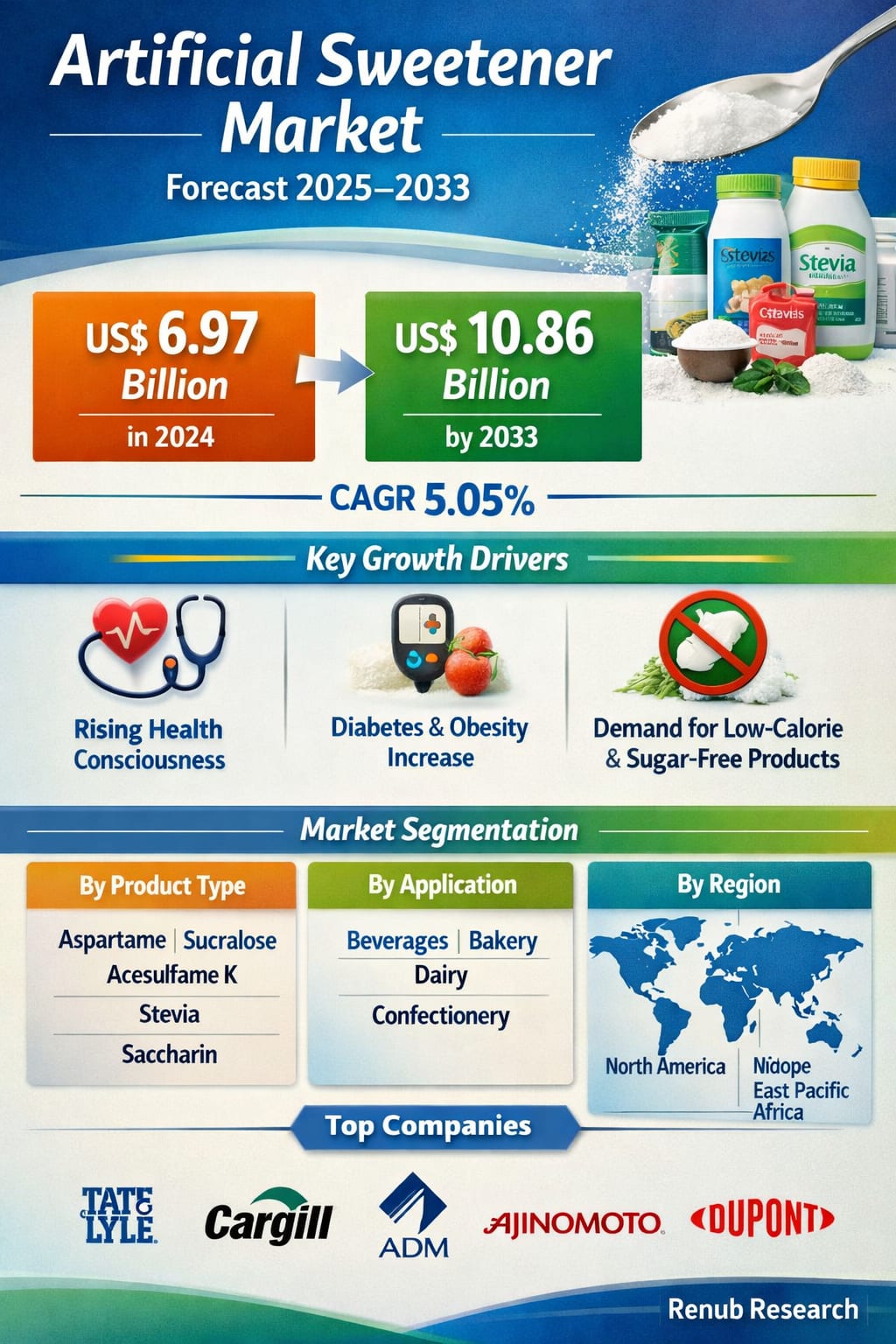
The global artificial sweetener market is undergoing a steady and transformative expansion as consumers increasingly move away from traditional sugar and toward healthier, low-calorie alternatives. According to Renub Research, the Artificial Sweetener Market is expected to reach US$ 10.86 billion by 2033, up from US$ 6.97 billion in 2024, growing at a CAGR of 5.05% from 2025 to 2033. This growth reflects a broader global shift in dietary habits, driven by rising health consciousness, increasing prevalence of lifestyle diseases, and strong demand for sugar-free and low-calorie food and beverage products.
Artificial sweeteners have become an integral part of modern food formulations. They are widely used in soft drinks, baked goods, dairy products, confectionery, and a variety of processed foods. These sweeteners provide the desired sweetness without the high calorie content of sugar, making them particularly attractive to consumers managing weight, diabetes, and other metabolic conditions. As concerns over excessive sugar consumption continue to grow, artificial sweeteners are no longer niche ingredients—they are becoming mainstream components of everyday diets across both developed and emerging economies.
Major global companies such as Cargill, Tate & Lyle, Ingredion, Ajinomoto, and Archer Daniels Midland are actively investing in product innovation, reformulation, and portfolio expansion. Sweeteners such as aspartame, sucralose, neotame, saccharin, and acesulfame potassium are widely used due to their high sweetness intensity and cost-effectiveness. While natural alternatives like stevia are gaining popularity, artificial sweeteners continue to dominate large-scale industrial applications because of their stability, consistency, and affordability.
However, the market is not without challenges. Concerns about the long-term health effects of certain artificial sweeteners and strict regulatory approvals in various regions continue to influence market dynamics. Despite these hurdles, the overall outlook remains positive as consumer behavior continues to shift toward healthier eating habits and reduced sugar intake.
Global Health Trends Driving Market Growth
One of the most powerful forces behind the growth of the artificial sweetener market is the alarming rise in lifestyle-related diseases, particularly diabetes and obesity. According to the World Health Organization (WHO), the number of people living with diabetes increased from 108 million in 1980 to 422 million by 2014, and projections from the International Diabetes Federation (IDF) suggest that this number could reach 700 million by 2045. This dramatic increase has made sugar reduction a public health priority in many countries.
At the same time, consumers are becoming more aware of the link between high sugar intake and health problems such as heart disease, weight gain, and metabolic disorders. Studies in the United States have shown that a significant portion of adults actively try to reduce or eliminate sugar from their diets. This behavioral shift is fueling demand for low-calorie and zero-calorie sweetening solutions that allow people to enjoy sweet flavors without compromising their health goals.
Artificial sweeteners offer a practical solution in this context. They allow manufacturers to produce appealing, sweet-tasting products while meeting the growing demand for healthier formulations. As a result, these ingredients have become essential in the diet beverages, sugar-free snacks, functional foods, and diabetic-friendly product segments.
Key Growth Drivers of the Artificial Sweetener Market
Rising Health Consciousness
Health awareness is no longer limited to a small segment of the population—it has become a global movement. Consumers today are more informed about nutrition labels, calorie intake, and the long-term impact of dietary choices. This shift in mindset is pushing people to seek alternatives to traditional sugar, especially in everyday products such as beverages, desserts, and packaged foods.
Artificial sweeteners benefit from this trend because they provide sweetness without the calorie burden. For individuals aiming to manage weight, control blood sugar levels, or simply adopt a healthier lifestyle, these sweeteners offer a convenient and accessible option. The growing popularity of fitness culture, wellness apps, and preventive healthcare is further reinforcing this demand.
Increasing Prevalence of Diabetes and Obesity
The global rise in diabetes and obesity is one of the strongest structural drivers of the artificial sweetener market. Excessive sugar consumption is widely recognized as a major contributor to these conditions, prompting both individuals and healthcare systems to encourage sugar reduction.
For people with diabetes, artificial sweeteners provide a way to enjoy sweet-tasting foods without causing spikes in blood glucose levels. For those focused on weight management, they offer a tool to reduce calorie intake without sacrificing taste. As the number of people affected by these conditions continues to increase worldwide, the demand for sugar substitutes is expected to remain strong and resilient.
Growing Demand for Low-Calorie and Sugar-Free Products
The food and beverage industry is undergoing a major transformation, with “low sugar,” “no added sugar,” and “sugar-free” claims becoming powerful marketing tools. Consumers are actively seeking products that align with healthier eating patterns, and manufacturers are responding by reformulating existing products and launching new ones that use artificial sweeteners instead of sugar.
From carbonated soft drinks and flavored waters to yogurts, chewing gum, and bakery items, artificial sweeteners are playing a central role in product innovation. This trend is particularly strong in urban markets, where busy lifestyles and higher health awareness are driving demand for convenient yet healthier food options.
Challenges Facing the Artificial Sweetener Market
Taste and Consumer Acceptance
Despite their benefits, artificial sweeteners still face challenges related to taste perception. Some consumers report a bitter or metallic aftertaste, especially when compared to natural sugar. This can affect overall product acceptance, particularly in categories where taste is critical, such as confectionery and baked goods.
To address this issue, manufacturers are investing heavily in blending technologies and flavor-masking techniques to create more sugar-like taste profiles. Continuous innovation in formulation is helping to improve sensory experiences, but taste remains a key factor influencing consumer choices.
Regulatory Hurdles
Regulation is another significant challenge in the artificial sweetener market. Each country has its own food safety authorities and approval processes, which can be lengthy, complex, and expensive. Before a new sweetener can be introduced, it must undergo extensive testing to ensure safety for human consumption.
These regulatory barriers can slow down innovation and delay product launches. Additionally, differences in regulations across regions can complicate global expansion strategies for manufacturers. Nevertheless, strict regulations also help build consumer trust by ensuring that approved products meet high safety standards.
Regional Market Insights
United States Artificial Sweetener Market
The United States represents one of the largest and most mature markets for artificial sweeteners. Rising concerns about obesity, diabetes, and heart disease have led consumers to actively seek sugar-free and low-calorie products. Artificial sweeteners such as aspartame, sucralose, and stevia are widely used in soft drinks, snacks, and baked goods.
The U.S. benefits from a well-established regulatory framework, with the FDA overseeing food additive approvals and safety standards. However, there is also a growing consumer preference for more “natural” alternatives, which creates both competition and opportunities within the sweetener landscape. Despite these dynamics, the U.S. market continues to show steady growth driven by strong health-focused consumption trends.
Germany Artificial Sweetener Market
Germany’s artificial sweetener market is supported by high health awareness and strong demand for low-calorie products. Consumers are increasingly choosing sugar-free beverages, dairy products, and confectionery items as part of a broader focus on wellness and preventive healthcare.
The European Food Safety Authority (EFSA) plays a key role in ensuring product safety, which helps maintain consumer confidence. While natural sweeteners are gaining popularity, artificial sweeteners remain widely used due to their functional advantages and cost efficiency in large-scale food production.
India Artificial Sweetener Market
India is emerging as a high-growth market for artificial sweeteners, driven by a rapidly increasing diabetic population and rising urban health awareness. With changing lifestyles and growing consumption of processed foods and beverages, the demand for sugar alternatives is expanding steadily.
Artificial sweeteners such as aspartame, sucralose, and stevia are becoming more common in diet beverages, sugar-free sweets, and pharmaceutical formulations. Although challenges remain in terms of awareness and taste preferences, the long-term outlook is positive as healthier eating habits gain traction in urban and semi-urban areas.
United Arab Emirates Artificial Sweetener Market
In the UAE, rising rates of obesity and diabetes are encouraging consumers to shift toward healthier dietary choices. The country’s strong food and beverage sector, combined with government initiatives to reduce sugar consumption, is supporting the growth of the artificial sweetener market.
Urban lifestyles, high disposable incomes, and increasing exposure to global health trends are driving demand for sugar-free and low-calorie products. While taste preferences and awareness levels still influence adoption, the market is expected to continue expanding as health-conscious consumption becomes more widespread.
Artificial Sweetener Market Segmentation
By Product Type
Aspartame
Neotame
Sucralose
Acesulfame K
Saccharin
Others
By Application
Bakery Products
Dairy Products
Confectionery
Beverages
Others
By Region
North America: United States, Canada
Europe: France, Germany, Italy, Spain, United Kingdom, Belgium, Netherlands, Turkey
Asia Pacific: China, Japan, India, Australia, South Korea, Thailand, Malaysia, Indonesia, New Zealand
Latin America: Brazil, Mexico, Argentina
Middle East & Africa: South Africa, Saudi Arabia, United Arab Emirates
Competitive Landscape and Company Analysis
The artificial sweetener market is highly competitive, with major players focusing on innovation, strategic partnerships, and product portfolio expansion. Key companies covered in the market include:
Tate & Lyle PLC
Cargill Incorporated
Archer Daniels Midland Company
DuPont de Nemours Inc.
Ajinomoto Co. Inc.
Ingredion Incorporated
GLG Life Tech Corporation
These companies are analyzed across four key dimensions: Overview, Key Persons, Recent Developments & Strategies, Product Portfolio, and Financial Insights. Their strategies focus on meeting evolving consumer demands, improving taste profiles, and expanding presence in high-growth markets.
Market Outlook: 2025–2033
With the global artificial sweetener market projected to grow from US$ 6.97 billion in 2024 to US$ 10.86 billion by 2033 at a CAGR of 5.05%, the industry is set for a decade of steady and sustainable growth. The combination of health-driven consumer behavior, supportive product innovation, and expanding applications across food, beverage, and pharmaceutical sectors will continue to shape the market’s future.
While challenges related to taste and regulation remain, ongoing research and development efforts are likely to address these issues and improve consumer acceptance. As governments, healthcare organizations, and consumers alike push for reduced sugar consumption, artificial sweeteners will remain a crucial part of the global nutrition and wellness ecosystem.
Final Thoughts
The artificial sweetener market is no longer just about cutting calories—it represents a broader transformation in how people think about health, nutrition, and lifestyle choices. With rising awareness of the risks associated with excessive sugar intake and a growing global burden of diabetes and obesity, the demand for sugar alternatives is only expected to increase.
Backed by strong market fundamentals, continuous innovation, and expanding global adoption, artificial sweeteners are well-positioned to play a central role in the future of the food and beverage industry. As the market moves toward US$ 10.86 billion by 2033, it stands as a clear example of how health trends and consumer behavior can reshape entire industries.
About the Creator
Sakshi Sharma
Content Writer with 7+ years of experience crafting SEO-driven blogs, web copy & research reports. Skilled in creating engaging, audience-focused content across diverse industries.
Keep reading
More stories from Sakshi Sharma and writers in Trader and other communities.
Precision Medicine Market Set to Transform Global Healthcare by 2033
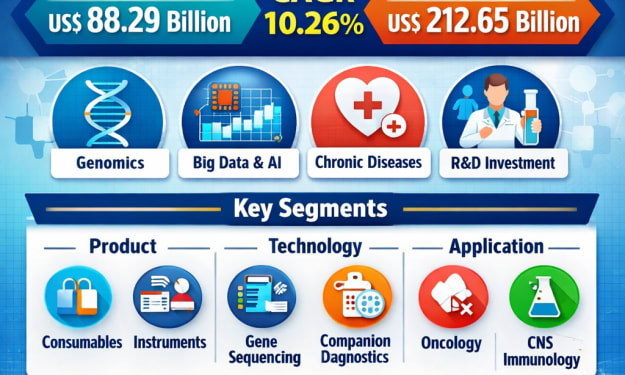
Precision Medicine Market Size and Forecast 2025–2033 The Precision Medicine Market is expected to reach US$ 212.65 billion by 2033, up from US$ 88.29 billion in 2024, registering a CAGR of 10.26% from 2025 to 2033. This impressive growth reflects a major shift in global healthcare—from generalized treatment approaches to highly targeted, patient-specific therapies.
By Sakshi Sharma2 days ago in Trader
LUNA-USDC Crypto Stablecoin Liquidity Alliance Erisprotocol Defi strategy
Alright, let’s talk Terra Liquidity Alliance Erisprotocol I’ve been in this ecosystem since the old days. And if you’re still here, you know the score. You’ve seen the bottom. You understand the risk.
By Bethany Strele3 days ago in Trader
Bartender
On the heels of grief, pain bears down hard. On the heels of death, pain awakens the quiet place between the end of our own life and now. Feeling anything is like seeing a film and in black and white, slow motion, all sound turned off. Just watching. Gritting teeth, awkward smiles and bloody red eyes move around, scanning the others who are feeling something I don't want to feel, but I do. Escapism is all I have ever known. ~
By ROCK aka Andrea Polla (Simmons)3 days ago in Poets


Comments
There are no comments for this story
Be the first to respond and start the conversation.