
Animal Instincts: Navigating Your Financial Journey One Beast at a Time
Investing Lessons from Animal Kingdom

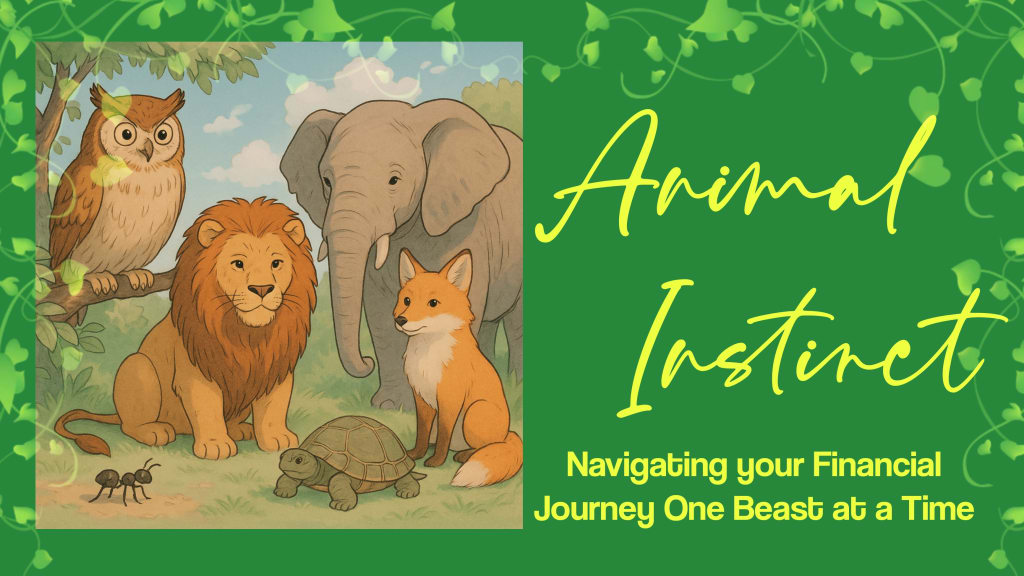
Have you ever noticed how the wild can teach us more than just survival? From the wide-eyed curiosity of an owl to the deliberate pace of a turtle, nature offers remarkable parallels to our own financial journeys. Just like animals evolve and adapt, investors, too, transform—from cautious beginners to seasoned experts in the jungle of finance.
I have traversed from being a curious novice to a professional in personal finance, and along the way, I noticed something striking, investor traits shift over time. This blog is my attempt to give you a fresh, nature-inspired lens on the stages of investing. Let us enter the animal kingdom and explore how each creature reflects a unique phase in the investor’s evolution.
Stage 1: The Curious Owl — The Beginner Investor
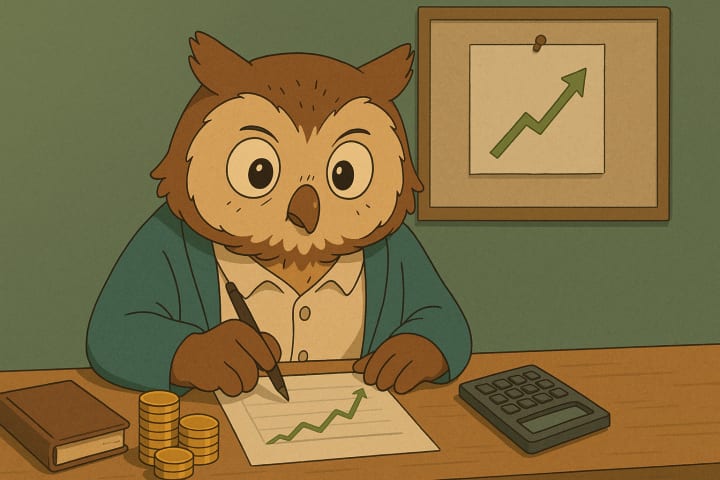
At the dawn of the investing journey, most individuals take flight like the curious owl. Known for its observant nature and quiet wisdom, the owl symbolizes a cautious and questioning mindset.
New investors often spend hours consuming books, blogs, podcasts, and market analyses before making a single move. Like night owls reading late into the evening, they hunt for understanding—learning about stocks, bonds, and mutual funds.
At this stage, it is all about absorbing knowledge and avoiding missteps. Questions are frequent, decisions are slow, and every move is measured.
Investor Trait: Cautious, observant, and eager to learn.
Stage 2: The Bold Lion — The Confident Beginner
With a few successful investments under their belt, the once-careful owl transforms into the bold lion. The lion, a symbol of courage and strength, represents the newfound confidence that can come with early wins.
Now empowered, investors begin testing their skills—sometimes with the roaring enthusiasm of a lion on the hunt. The research has been done, the tools are known, and the desire to act is strong. But like a lion charging too soon, overconfidence can make this phase risky.
The key lesson here? Confidence is essential, but unchecked bravado can lead to costly mistakes. Diversification and risk management become critical skills.
Investor Trait: Confident, courageous—but walking the fine line between bravery and bravado.

Stage 3: The Calculating Fox — The Intermediate Investor
After feeling the heat of risk and the thrill of reward, investors often grow into the calculating fox. The fox is clever, strategic, and adaptive—always alert and deliberate.
At this stage, investors move past impulsiveness. Portfolios become more balanced. There is a deeper understanding of market cycles, and decisions are grounded in strategy, not speculation. The fox knows that it is not about chasing every opportunity but about evaluating the right ones.
They might now explore actively managed funds, ETFs, or real estate. The goal is no longer a quick win, but sustained, thoughtful growth.
Investor Trait: Strategic, thoughtful, and focused on risk management.

Stage 4: The Persistent Ant — The Consistent Investor
With more time in the market, the calculating fox gives way to the persistent ant. Ants are tireless workers, always moving forward with focus and discipline.
Here, investors embrace the power of consistency. Strategies like rupee-cost averaging (SIP) become second nature. Market fluctuations do not scare them anymore. The ant keeps building, knowing that small, regular efforts accumulate into something powerful over time.
Even when the market dips, the persistent investor does not panic. They stay the course, guided by long-term goals and a well-structured plan.
Investor Trait: Patient, disciplined, and focused on long-term goals.

Stage 5: The Wise Elephant — The Experienced Investor
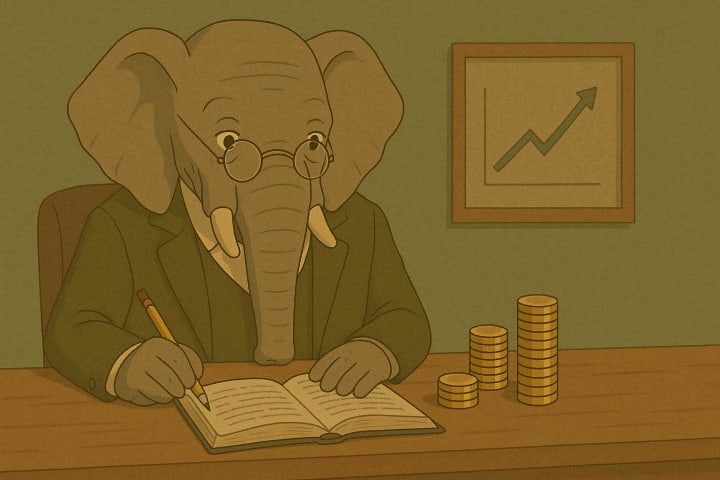
After years of investing, experience gathers like rings on a tree—and the investor becomes the wise elephant. Elephants are known for their memory, calm demeanor, and ability to see the big picture.
At this stage, every decision is grounded in wisdom. Trends are acknowledged, but not blindly followed. Emotional investing is a thing of the past. The wise investor knows when to be aggressive and when to be conservative. They understand cycles, timing, and legacy.
Many start mentoring others or focus on wealth transfer and estate planning. Just like the elephant never forgets, seasoned investors use their memories to help others navigate.
Investor Trait: Wise, experienced, and balanced in decision-making.
Stage 6: The Reflective Turtle — The Retired Investor
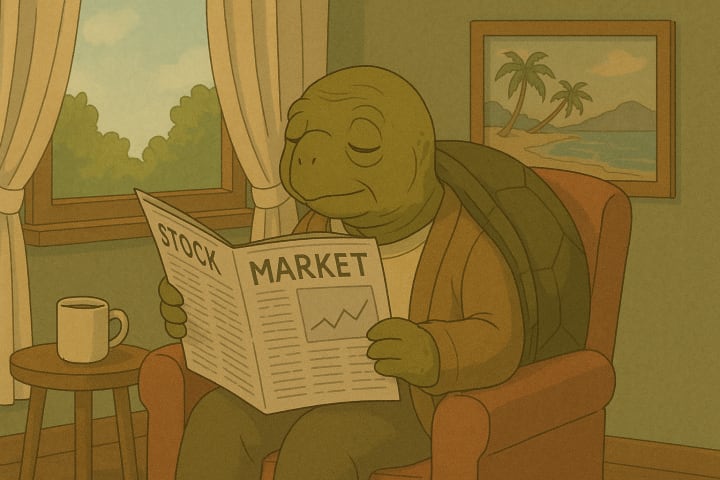
At last, the journey slows into a peaceful rhythm. The reflective turtle, slow but steady, embodies the stage of retirement or semi-retirement.
Having met financial goals, the focus now shifts to preservation and legacy. Investments lean toward low-risk instruments like bonds and debt funds. The turtle moves with intention, protecting what has been built, while planning for the future of loved ones.
There’s beauty in this stillness—the joy of watching years of planning pay off.
Investor Trait: Cautious, preservation-focused, and reflective on the journey.
Stay Wild, Stay Wise: The Animal Instincts of Wealth
From the keen-eyed owl to the reflective turtle, the journey of an investor mirrors the ancient rhythms of the wild. Every step you take in your financial path, be it bold or measured, curious or calculated—is guided by instincts older than time, echoing the primal wisdom of nature’s finest.
These are not just clever metaphors. These animal instincts live within us. They represent not only different stages of growth, but the spirit required to rise, adapt, and thrive in the ever-shifting jungle of wealth.
In the beginning, become the Owl—the seeker of wisdom. Observe quietly, study intently, and learn with wide, curious eyes. Knowledge is your first currency. The more you know, the better you grow. Listen to mentors, read voraciously, and question everything. The wise investor begins as a student of the world.
When opportunity roars, channel the Lion. Be fierce. Be bold. This is the spirit of action. When the market shifts or a door opens, let courage guide your stride. Timidity has no place in momentum. Strike with purpose, grounded in what you have learned.
In complex situations, awaken the Fox. Sharp. Shrewd. Strategic. The fox does not rush—it calculates. In the maze of decisions, where risks and rewards intertwine, be clever. Think ahead. Pivot when needed. It is not just about what you do, but how and when you do it.
During the climb, labour like the Ant. Consistent. Tireless. Purposeful. Wealth is not built in waves—it is built in the quiet, persistent effort of everyday choices. SIP by SIP, rupee by rupee, day by day. Compound effort is compound interest in disguise.
As you grow, remember like the Elephant. Carry your financial lessons forward. Learn from past mistakes. Hold tight to victories and cautionary tales. This is the wisdom of experience—your internal compass, forever pointing toward better decisions.
And when it is time, embody the Turtle. Calm. Steady. Confident in the long game. Wealth is not a sprint, it is a graceful marathon. You have earned your rest, your rhythm, your perspective. Now move with deliberate grace, grounded in legacy and foresight.
Each animal, each instinct, is a companion on your financial journey. Some will lead. Others will follow. And in moments of doubt or triumph, look within and ask: Which one walks with me now?
No matter where you are—just starting out, navigating the middle, or nearing the summit, your spirit is aligned with something ancient and powerful.
So, embrace it. Trust it. Evolve with it.
Because in the end, it is not just markets that move, it is you, your mindset, your discipline, your daring. The jungle of wealth is vast, but so are you.
Stay wise. Stay wild. And keep investing with purpose.
About the Creator
SubhShanti Wealth
Since 2011, SubhShanti Wealth has empowered investors by transforming one-sided sales into meaningful conversations that prioritize financial well-being. Beyond mutual fund distribution, we guide you toward lasting financial security.
Keep reading
More stories from SubhShanti Wealth and writers in Trader and other communities.
The Cost of Everyday Decisions: A Financial Perspective
Riya, a 28-year-old software engineer, enjoys a dynamic lifestyle filled with weekend outings and the occasional online shopping spree. Almost every evening, she orders food delivery from a premium restaurant, spending around Rs. 500 per meal—an expense that has become an integral part of her routine.
By SubhShanti Wealth10 months ago in Trader
Is Forex Trading Halal or Haram?
In Islam, halal means permissible and haram means forbidden. These concepts are not limited to food; they govern every aspect of life, including finance, business, and trade. Islamic economic principles aim to promote fairness, transparency, real ownership, and social responsibility—while strictly prohibiting exploitation and unjust gain.
By Ethan Colea day ago in Trader
As investors move away from tech, small-cap stocks will outpace the S&P 500.
As "small-cap stocks surge," outpacing "mega-cap" technology names in the first weeks of 2026 and indicating what many analysts call a "broadening market rotation," U.S. equity markets are witnessing a significant leadership shift. After years of dominance by large technology firms — driven largely by the artificial intelligence boom and ultra-low interest rates — investors are increasingly allocating capital to smaller, domestically focused companies and cyclical sectors.
By Raviha Imranabout 22 hours ago in Trader



Comments
There are no comments for this story
Be the first to respond and start the conversation.