
Women Arrested for Anti‑ICE Church Protest in St. Paul Freed from Detention
Activists Released After Arrest Highlights Tensions Between Federal Enforcement, Civil Liberties, and Community Protest


In St. Paul, Minnesota, two well-known activists were recently released from federal detention after being arrested during an anti-ICE demonstration at a local church. The arrests drew national attention, highlighting ongoing tensions between federal immigration enforcement and community activism. Residents, clergy, and civil rights advocates are now calling for transparency, accountability, and stronger protections for peaceful protest, raising broader questions about civil liberties and the boundaries of federal authority.
The Incident at Cities Church
The arrests took place inside Cities Church during a Sunday service. Demonstrators, including Nekima Levy Armstrong, a former NAACP leader, and Chauntyll Louisa Allen, a St. Paul school board member, entered the church to protest federal immigration enforcement. Protesters chanted slogans such as “ICE out” and “Justice for Renee Good,” referencing the controversial fatal shooting of a Minneapolis mother by an ICE agent.
Federal authorities claimed the protest disrupted religious services and violated the Freedom of Access to Clinic Entrances (FACE) Act, which also protects houses of worship from interference. A third activist, William Kelly, was also detained, though his current legal status remains unclear. The FACE Act, originally designed to prevent harassment at reproductive health clinics, has occasionally been applied to protect worship services when demonstrations impede their operation.
Release from Detention
Armstrong and Allen were released after their attorneys argued there was insufficient legal basis to hold them. The judge emphasized that the demonstration was peaceful and fell under First Amendment protections for free speech. The release has been hailed by supporters as a victory for civil rights and a reaffirmation of the right to protest, even in sensitive spaces like houses of worship.
This decision underscores the difficult balance courts must strike between upholding the law and protecting civil liberties. While the FACE Act gives federal authorities legal grounds to act, the demonstration in St. Paul was nonviolent and did not involve threats or physical interference, raising important questions about the limits of enforcement.
Community Response
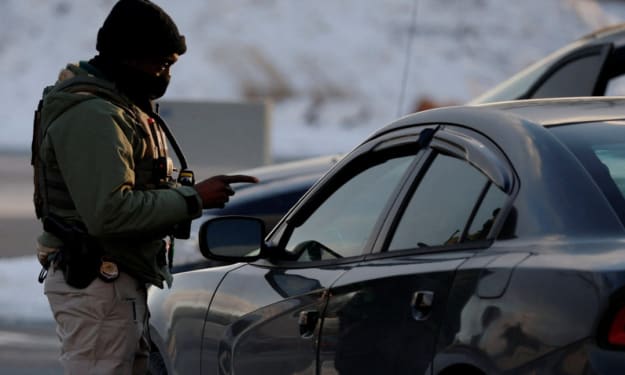
The arrests sparked significant concern among St. Paul residents. Many described ICE’s presence in the church as intimidating, with agents reportedly entering neighborhoods, stores, and public spaces in tactical gear. Fear spread quickly, with families expressing anxiety about routine activities and interactions with law enforcement.
Local schools reported higher absenteeism in the days following the arrests, suggesting parents kept children home to avoid potential exposure to enforcement activity. Businesses, especially those employing immigrant workers, faced staffing challenges as detained employees or fearful staff stayed home. These disruptions illustrate the broader social and economic consequences of aggressive federal enforcement in tight-knit communities.
Political and Clergy Reaction
Minnesota Governor Janet Mills publicly criticized the arrests, demanding more transparency about the criteria ICE used to target individuals. Mayor Mark Dion of Portland echoed these concerns, emphasizing that enforcement must not come at the cost of public trust or civil liberties.
Clergy and faith leaders have also spoken out. Around 100 faith figures had previously been arrested during protests at the Minneapolis–St. Paul International Airport, demonstrating the active role religious communities play in supporting immigrant rights. Many leaders argue that churches should remain sanctuaries for worship and community support, not arenas for federal enforcement confrontations.
Media Controversy
The case drew further attention when the White House circulated a digitally altered image of Armstrong appearing emotional during her arrest. Armstrong later released unedited footage showing her calm demeanor, highlighting the potential for image manipulation to shape public perception. The controversy intensified the national conversation about the portrayal of activists and the use of media by government authorities to influence opinion.
Broader Context
The St. Paul arrests took place amid heightened anti-ICE activism across Minnesota. Public demonstrations, marches, and even statewide “general strikes” have been organized to oppose ICE enforcement and demand accountability for incidents such as the shooting of Renee Good. Activists argue that federal operations have sometimes been heavy-handed, undermining community trust and generating fear among residents, including those with legal immigration status.
Protesters maintain that civil disobedience is a crucial way to draw attention to what they describe as abuses of power. The arrests in St. Paul illustrate the tension between lawful government action and community advocacy, especially when enforcement intersects with spaces that are meant to be safe, such as houses of worship.
Economic and Social Impact
The arrests also had practical consequences. Local businesses reported staffing shortages, disrupted operations, and increased stress among employees. Restaurants and service industries, many relying on immigrant labor, were particularly affected. The incident demonstrates how enforcement actions reverberate beyond legal and political arenas, affecting the daily lives and livelihoods of entire communities.
Families and community organizations have responded by providing food, supplies, and guidance to those affected. Hotlines saw a surge in calls as residents sought legal advice and reassurance, highlighting the importance of grassroots support in mitigating the impact of federal operations on vulnerable populations.
Looking Ahead
While Armstrong and Allen’s release represents a temporary victory for activists, the case is far from resolved. Charges may still be pursued, and legal battles over protest rights and the application of the FACE Act are expected.
For St. Paul and broader Minnesota communities, the arrests have intensified discussions about civil liberties, immigrant rights, and the role of faith institutions in activism. This incident serves as a reminder of the ongoing tension between federal authority and community advocacy, and the critical need for transparency, accountability, and respect for constitutional rights.
Conclusion
The release of women arrested for protesting ICE inside a St. Paul church underscores the power of peaceful activism, the importance of civil liberties, and the influence of community solidarity. While federal authorities maintain that enforcement actions are necessary, residents, clergy, and activists highlight the human and social costs of aggressive measures. The case emphasizes that protecting the rights of peaceful protesters is essential for maintaining trust, cohesion, and democratic principles within communities.
About the Creator
Asad Ali
I'm Asad Ali, a passionate blogger with 3 years of experience creating engaging and informative content across various niches. I specialize in crafting SEO-friendly articles that drive traffic and deliver value to readers.
Silver Turns Strategic as Critical Minerals Reshape Supply Chains
Silver is undergoing a quiet but profound transformation. Long valued for its role as a precious metal and store of wealth, silver is increasingly being recognized as a strategic material at the center of modern supply chains. As governments and industries worldwide scramble to secure critical minerals essential for clean energy, advanced manufacturing, and digital infrastructure, silver’s importance is being redefined. This shift is reshaping how the metal is produced, traded, and valued in global markets.
By Salaar Jamali5 days ago in The Swamp
Bicycle Market Trends & Growth Outlook: How Sustainable Mobility Is Reshaping Global Transportation
Introduction: A Global Shift Toward Two-Wheeled Mobility The global bicycle industry is undergoing a steady but meaningful transformation as cities, consumers, and governments rethink how people move. Once viewed primarily as a recreational product, bicycles are now central to discussions around sustainability, health, congestion reduction, and affordable urban transport. According to Renub Research, the global bicycle market is expected to grow from US$ 52.63 billion in 2024 to US$ 74.59 billion by 2033, registering a CAGR of 3.95% from 2025 to 2033.
By Marthan Sir4 days ago in The Swamp
🅼🅸🅳🅽🅸🅶🅷🆃 🆂🅽🅰🅲🅺🆂
"It's 10 in Tuscon! We all know what that means... It's Time for Midnight Snacks with your man, Gerald Gee! Ready to spend the night together? Me too! I'm full of snacks and can't wait to regurgitate them all back into your hungry ears. Crack a brew! Pop some corn! Anything to get ready for one hell of a show where the talk maybe cheap but the words cut deep...
By Lamar Wigginsa day ago in Fiction


Comments
There are no comments for this story
Be the first to respond and start the conversation.