
Winter Storms: Nature’s Powerful Reminder of Vulnerability and Preparedness
How winter storms disrupt daily life and why preparation is more important than ever
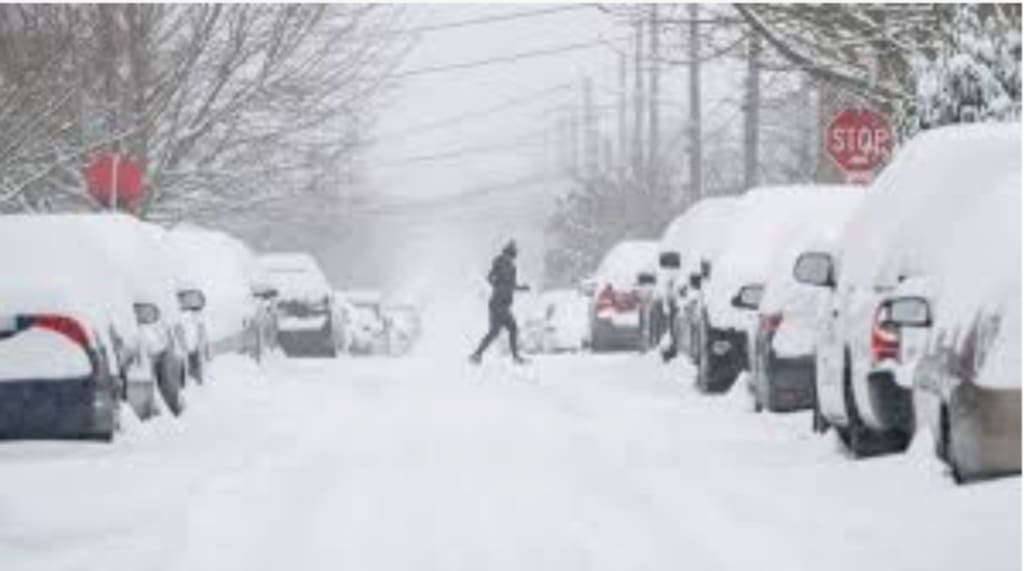
Every year, winter storms remind communities of the raw power of nature. From heavy snowfall and icy winds to freezing rain and blizzards, these storms can disrupt transportation, damage infrastructure, and impact daily life. While they are natural events, their effects on safety, economy, and society are far from trivial. Understanding winter storms, their impact, and strategies for preparation is essential for individuals, communities, and governments alike.
The Anatomy of a Winter Storm
Winter storms are more than just snow or cold temperatures. They are complex meteorological events that can include:
Heavy Snowfall: Accumulation that can halt transportation and cause structural stress.
Ice Storms: Freezing rain that coats surfaces, making travel dangerous and causing power outages.
Blizzards: Severe snow combined with strong winds, reducing visibility and creating life-threatening conditions.
Wind Chill Effects: Low temperatures amplified by wind, posing a risk of frostbite and hypothermia.
Each type of storm requires different precautions and has varying levels of impact depending on geography and preparedness.
How Winter Storms Affect Daily Life
The consequences of winter storms go beyond inconvenience. They affect:
Transportation: Snow-covered roads, icy conditions, and flight cancellations disrupt travel.
Power Supply: Ice accumulation and high winds can damage power lines, causing outages that may last hours or days.
Health and Safety: Cold temperatures, frostbite, hypothermia, and traffic accidents are serious risks.
Education and Work: Schools and workplaces often close during severe storms, disrupting routines and productivity.
Communities that experience frequent winter storms often invest in infrastructure and planning to minimize disruption, while areas unaccustomed to snow may struggle with even moderate weather events.
Economic and Infrastructure Impacts
Winter storms also have a financial dimension. Snow removal, road maintenance, and emergency response cost governments millions annually. Businesses face lost revenue due to closures and delayed deliveries, while insurance claims for storm-related damages rise sharply after major events.
Infrastructure, particularly older buildings and utility networks, can be particularly vulnerable. Power grids, water systems, and transportation networks are often stressed during severe winter weather, emphasizing the importance of resilient planning.
Preparing for Winter Storms
Preparation is the most effective way to reduce the impact of winter storms. Key strategies include:
Home Preparation: Insulate homes, stock emergency supplies, and maintain heating systems.
Travel Safety: Check weather forecasts, carry snow chains or winter tires, and limit travel during storms.
Community Planning: Local authorities implement snowplow routes, salt distribution, and emergency shelters.
Emergency Kits: Include food, water, flashlights, blankets, and first-aid supplies for potential power outages.
Preparedness can significantly reduce risk, whether the storm is a minor inconvenience or a major emergency.
Climate Change and Winter Storms
Climate scientists note that climate change is affecting winter weather patterns. While some regions may experience less snow, others could see more intense storms due to shifting atmospheric conditions. Unpredictable winter weather highlights the need for adaptable infrastructure, early warning systems, and public awareness campaigns.
In addition, warmer global temperatures can increase precipitation in the form of snow in colder regions, leading to unexpected severe storms. Understanding these trends is vital for planning and resilience.
The Human Element
Winter storms also reveal the human side of extreme weather. Communities often come together during snow emergencies, helping neighbors, clearing roads, and supporting vulnerable populations. Emergency responders and public service workers are critical in these moments, demonstrating bravery and dedication under harsh conditions.
Public awareness campaigns and responsible behavior—such as staying off roads during blizzards and preparing emergency kits—amplify the effectiveness of community response and reduce strain on resources.
Technology and Forecasting
Advances in meteorology have improved storm prediction significantly. Modern weather models allow for earlier warnings, enabling individuals and governments to prepare in advance. Smartphone alerts, media coverage, and social media updates ensure that people can take precautionary measures before conditions worsen.
However, despite technological improvements, human vigilance and preparation remain essential. Storms can still evolve rapidly, and local conditions may vary, requiring constant attention and adaptability.
Conclusion
Winter storms are a powerful reminder that nature can disrupt even the most structured societies. While they bring challenges, they also highlight the importance of preparedness, resilience, and community. From protecting homes and infrastructure to maintaining public safety and awareness, the strategies employed before and during storms determine how communities weather the impact.
Ultimately, winter storms teach us the value of foresight and cooperation. By understanding their power and taking proactive measures, we can navigate these seasonal challenges safely and responsibly. Each winter, storms may test us—but with preparation, we can face them with confidence.
About the Creator
Keep reading
More stories from Ayesha Lashari and writers in The Swamp and other communities.
Anthony Joshua: The Journey of a Modern Boxing Icon
Anthony Joshua is a name that resonates far beyond the boxing ring. Known for his explosive power, disciplined training, and unwavering focus, Joshua has become one of the most recognizable figures in modern sports. Yet his story is more than just a series of victories and titles; it is a narrative about perseverance, self-belief, and the relentless pursuit of excellence.
By Ayesha Lashari13 days ago in The Swamp
Protests and U.S. Warnings Shake Iran at Its Weakest Point in Years
Iran is facing one of its most precarious moments in recent history as widespread protests converge with sharp warnings from the United States, exposing deep fractures within the country’s political, economic, and social foundations. Long simmering public anger, fueled by economic hardship and political repression, has erupted once again—this time against a backdrop of mounting international pressure and regional instability. A Nation Under Growing Strain For years, Iran has struggled under the weight of international sanctions, economic mismanagement, and isolation from global markets. Inflation has soared, the national currency has lost much of its value, and unemployment—especially among young people—remains stubbornly high. Basic necessities such as food, fuel, and medicine have become increasingly expensive, eroding living standards for millions. These pressures have created a society on edge. While protests have periodically flared in Iran over the past decade, recent demonstrations appear broader, more persistent, and more defiant. Protesters from different social classes and regions have taken to the streets, signaling a level of frustration that goes beyond isolated grievances. The Spark Behind the Protests Although no single event defines the current unrest, the protests are rooted in long-standing demands for economic justice, political accountability, and personal freedoms. Demonstrators have voiced anger at corruption, lack of opportunity, and what they see as an unresponsive ruling elite. Social media, despite heavy restrictions, continues to play a key role in spreading images and messages from the protests. Videos showing clashes with security forces and chants criticizing the leadership have circulated widely, amplifying both domestic and international attention. The government has responded with a familiar mix of force and control—deploying security personnel, restricting internet access, and arresting activists. Yet these measures appear to have done little to calm public anger, and in some cases have intensified it. U.S. Warnings Add International Pressure As protests escalate, the United States has issued increasingly blunt warnings to Tehran. American officials have condemned Iran’s crackdown on demonstrators and signaled that further repression could lead to additional sanctions or diplomatic consequences. Washington has also raised concerns about Iran’s regional activities and military posture, warning that instability at home does not give Tehran a free pass abroad. These statements come at a time when Iran’s relationships with Western powers are already deeply strained over nuclear negotiations, regional conflicts, and human rights issues. While Iranian leaders often portray U.S. criticism as foreign interference, the warnings add another layer of pressure on a government already struggling to maintain control internally. Why This Moment Is Different What makes this period particularly dangerous for Iran’s leadership is the convergence of crises. Economically, the country is weaker than it has been in years. Politically, public trust in institutions has eroded. Regionally, Iran faces challenges from rival states and ongoing tensions in the Middle East. Internationally, diplomatic isolation limits its room for maneuver. Unlike past episodes of unrest, today’s protests are unfolding when the government has fewer economic tools to placate the public. Subsidies and cash handouts are harder to sustain, and sanctions restrict access to global financial systems. Analysts note that even traditionally loyal segments of society—such as parts of the working class—are showing signs of discontent. This broadening base of opposition makes the unrest harder to contain. The Government’s Balancing Act Iran’s leadership now faces a delicate balancing act. A harsh crackdown risks deepening public anger and attracting stronger international backlash. On the other hand, meaningful reforms could undermine the authority of hardline factions that dominate the political system. So far, officials have largely chosen repression over reform, framing the protests as foreign-backed attempts to destabilize the country. However, this narrative has limited appeal among citizens struggling with daily economic realities. The question is not only whether the government can suppress protests, but whether it can address the underlying causes that keep bringing people back to the streets. Regional and Global Implications Instability in Iran has implications far beyond its borders. As a major regional power, Iran plays a central role in Middle Eastern geopolitics, energy markets, and security dynamics. Prolonged unrest could affect oil supplies, regional conflicts, and diplomatic relations with neighboring countries. For the United States and its allies, Iran’s internal turmoil presents both risks and uncertainties. While pressure on Tehran may increase, chaos or miscalculation could also escalate tensions in unpredictable ways. Conclusion Iran stands at a crossroads. Protests driven by deep economic pain and political frustration are colliding with mounting U.S. warnings, exposing vulnerabilities that have been building for years. Whether the government responds with reform or repression will shape not only Iran’s future, but also the stability of an already volatile region. At its weakest point in years, Iran faces a defining test: adapt to the demands of its people, or risk deeper unrest with consequences that may be impossible to control.
By Fiazahmedbrohi 6 days ago in The Swamp
Bruce Lee and The God of War: Kuan Ti
It starts with love.. The Power to the God Of War and Wealth Walk into a Chinese restaurant (even in Oklahoma, USA), a Chinese police station, a kung fu martial arts studio or even a Chinese temple and you often see a red faced warrior holding a heavy quan-do (spear like weapon).
By WILD WAYNE : The Dragon King4 days ago in Chapters



Comments
There are no comments for this story
Be the first to respond and start the conversation.