
Why the Nuclear Plant Is a Sticking Point in Peace Negotiations
The Nuclear Standoff: Why Zaporizhzhia Plant Remains a Major Obstacle in Russia-Ukraine Peace

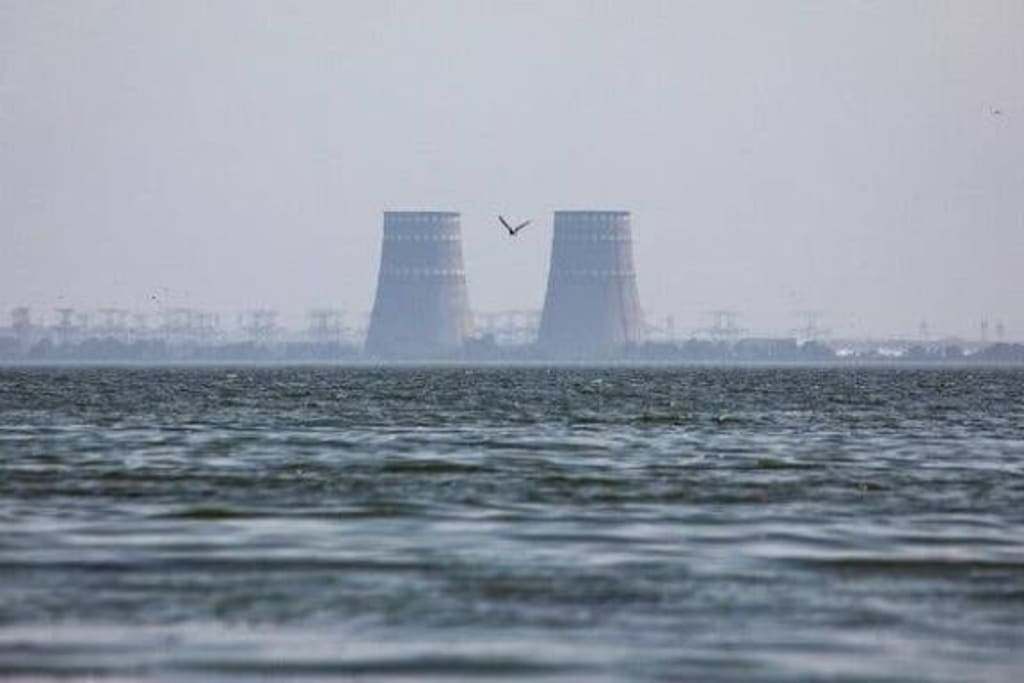
As the conflict between Russia and Ukraine continues into its prolonged phase, one of the most significant and contentious issues standing in the way of peace talks is the situation surrounding nuclear energy infrastructure, particularly the Zaporizhzhia Nuclear Power Plant (ZNPP). With both Russia and Ukraine accusing each other of targeting or taking control of such facilities, the broader implications for security, energy, and international diplomacy have turned the ZNPP and other nuclear assets into a flashpoint in the pursuit of peace.
The Importance of Zaporizhzhia: A Critical Asset in the Conflict
The Zaporizhzhia Nuclear Power Plant, located in southeastern Ukraine, holds the title of Europe's largest nuclear power station. With six reactors and a significant capacity for generating electricity, it is crucial to the energy grid in Ukraine and the surrounding region. The plant has also become a symbol of the ongoing conflict, as both Russian and Ukrainian forces have sought control over it at different points during the war. Since Russia's invasion of Ukraine in February 2022, the plant has been under Russian control, but its staff remains Ukrainian, which creates a complex and volatile situation.
The presence of nuclear infrastructure on the front lines of a war raises immediate concerns. The risk of a nuclear accident, whether accidental or intentional, is high. A compromised plant could lead to catastrophic consequences for the surrounding regions, potentially affecting millions of people in Ukraine, neighboring countries like Russia, and even Europe as a whole.
Why the Nuclear Plant Is a Sticking Point in Peace Negotiations
Security Concerns: A Potential Flashpoint for Escalation
One of the key reasons the Zaporizhzhia plant has become a significant sticking point in peace negotiations is its strategic importance in the conflict. While both sides claim to be committed to ensuring the safety of the plant, there is no neutral authority overseeing its protection. The presence of military equipment near the facility, occasional shelling, and near-misses with reactors heighten the risk of a disaster.
For Ukraine, the return of the plant to its control is essential. The Ukrainian government views its sovereignty over the plant as non-negotiable, as losing it to Russia would be a symbolic and strategic blow. On the other hand, Russia views the plant as a strategic asset that can help it maintain leverage over Ukraine, particularly as Russia has threatened to cut off energy supplies from its own grid, which would intensify Ukraine's energy crisis.
Both parties have different understandings of how the plant should be managed during a ceasefire, with concerns over access, inspection protocols, and staff management becoming key areas of disagreement. The situation has become so critical that the United Nations and the International Atomic Energy Agency (IAEA) have called for the creation of a demilitarized zone around the facility, but neither side seems willing to budge from their positions.
Energy Supply as a Bargaining Chip
Energy has been a crucial element in this war, with Russia cutting off natural gas supplies to Europe in retaliation for sanctions imposed by Western countries. For Ukraine, controlling the Zaporizhzhia Nuclear Plant is a matter of national energy security. Without it, Ukraine would face severe shortages of electricity and power, further exacerbating the humanitarian crisis.
On the Russian side, the plant’s control is equally important, as it provides leverage not only in the Ukrainian conflict but also in broader geopolitical negotiations, particularly with the European Union. The plant's ability to generate energy for Russia-controlled areas in Ukraine provides Russia with an added advantage, making it a pawn in the larger geopolitical game. The use of energy as a weapon and bargaining tool adds complexity to the negotiations for peace.
Nuclear Safety and International Scrutiny
International concern over the safety of nuclear facilities in conflict zones is profound, as evidenced by the global outcry when Russia occupied the Chernobyl site and then the Zaporizhzhia plant. Any potential nuclear disaster, whether from an accident, misfire, or deliberate action, could have catastrophic effects beyond the borders of Ukraine, spreading radioactive contamination far and wide.
Ukraine and international bodies like the IAEA have consistently pushed for the demilitarization of the region surrounding the plant. However, Russian forces have continued to fortify their positions around the facility, and Ukrainian forces have carried out strikes on Russian positions near the plant, further increasing the risk of a nuclear catastrophe. The issue of securing the plant during the peace process remains one of the most challenging aspects of negotiations.
The Role of International Mediators and the Call for Neutrality
In any peace agreement, the role of international mediators becomes pivotal, especially when sensitive issues like nuclear security are involved. Calls for a neutral force to oversee the Zaporizhzhia plant and ensure that neither side uses it for military advantage have been made by several international actors. However, both Russia and Ukraine have been hesitant to trust foreign entities to control or monitor the facility, as it could compromise their respective positions.
The involvement of international bodies like the UN and the IAEA may play a crucial role in bridging the divide, but their influence is limited when both parties have their own strategic interests at stake.
Conclusion: A Path Forward with Diplomatic Diligence
The ongoing dispute over the Zaporizhzhia Nuclear Power Plant serves as a microcosm of the larger struggle between Russia and Ukraine. The stakes are high, and both sides have their reasons for holding onto this strategic facility, whether it be energy security, political leverage, or military advantage. As the peace talks continue, the nuclear plant will remain one of the most contentious issues that must be addressed to prevent further escalation and to ensure long-term stability in the region.
International intervention, particularly from bodies like the UN and IAEA, may offer a path forward, but the political will of both Russia and Ukraine to reach a compromise will ultimately determine whether this flashpoint can be defused. Until then, the specter of nuclear disaster looms over any potential peace settlement, making the resolution of this issue an urgent and critical priority.
About the Creator
Fiaz Ahmed Brohi
I am a passionate writer with a love for exploring and creating content on trending topics. Always curious, always sharing stories that engage and inspire.
Keep reading
More stories from Fiaz Ahmed Brohi and writers in The Swamp and other communities.
FIA ASI Shifted to Airport Sanitation: An Unexpected Turn for Pakistan's Federal Investigation Agency
The Federal Investigation Agency (FIA) in Pakistan has been at the forefront of maintaining law and order, investigating a wide range of criminal activities from human trafficking to cybercrimes. Recently, however, an unexpected move has caught the attention of both the public and officials—one of the Assistant Sub-Inspectors (ASI) from FIA has been reassigned to airport sanitation duties. This decision, which comes as part of an internal reshuffling, has raised eyebrows across various sectors. With the FIA's core responsibility being law enforcement and investigating federal crimes, the reassignment of an officer to sanitation tasks has prompted questions about the agency's operational priorities, its internal decision-making, and the wider implications of such changes for the law enforcement community. A Sudden Shift: The Role of the FIA ASI The Federal Investigation Agency (FIA) is one of Pakistan's leading law enforcement bodies, responsible for enforcing federal laws related to human trafficking, immigration, anti-narcotics, and cybercrimes. The agency is known for its rigorous investigation methods, and its officials often play a pivotal role in tackling organized crime and corruption. Assistant Sub-Inspectors (ASI) within the FIA hold significant roles, usually handling investigative and supervisory tasks. These officers are generally tasked with ensuring the smooth functioning of their respective departments, gathering intelligence, and supporting larger operations against federal crimes. So when an ASI, usually involved in such critical work, was reassigned to work on airport sanitation, it raised questions about the agency’s internal priorities and the potential reasons for this reallocation. Given the serious nature of the FIA's work, this decision has led to mixed reactions from various quarters. The Sanitation Shift: Understanding the Reasoning At first glance, the idea of an ASI being reassigned to airport sanitation may seem unusual, especially considering the importance of the FIA in enforcing federal laws. However, according to government sources, this move might be a part of an administrative reshuffling that aims to optimize staff distribution and address personnel shortages. Sanitation work at major international airports, such as Jinnah International Airport in Karachi or Allama Iqbal International Airport in Lahore, is no small task. These areas are hubs for thousands of travelers, and maintaining cleanliness and hygiene is a top priority to ensure the health and safety of passengers and staff. The assignment of an ASI to this task could be an effort to streamline airport services, or it may represent a short-term measure to address staffing issues within the airport’s sanitation department. While the rationale behind the move may appear practical, it still remains a puzzling decision to many within the law enforcement community, especially when one considers the significant expertise and skills required for positions within the FIA. Some believe that this move could represent a misalignment of the ASI’s potential and responsibilities, while others suggest it reflects internal management challenges that are being tackled at the cost of operational efficiency. Public Reactions: Questions and Concerns The reassignment of the FIA ASI to sanitation duties has led to mixed reactions. Many within the law enforcement community have questioned whether this is the best use of resources and whether the move is in line with the agency’s original purpose. Critics argue that this type of reshuffling can lead to a lack of focus on critical law enforcement duties, particularly when personnel may be better suited for investigative tasks. In addition to the concerns within law enforcement, the public has also expressed confusion. For example, citizens have raised questions about the agency's role in combating federal crimes when it appears to be diverting personnel to non-law enforcement roles. Some have even pointed to other issues facing the country, such as rising crime rates and corruption, suggesting that the FIA should focus on its core responsibilities rather than addressing internal personnel matters. On the other hand, some have suggested that this may be a temporary move to address immediate operational needs at the airport, where sanitation staff could be lacking. The reassignment of an ASI, who is often regarded as experienced in handling complex tasks, might be an attempt to bring an experienced leader to oversee sanitation activities, ensuring the airport remains in top form during high-travel periods. The Broader Implications: A Sign of Deeper Challenges? While it’s important not to jump to conclusions about the intentions behind the reassignment, this move might also be reflective of broader organizational challenges within the FIA. It could signal a need for better personnel management, restructuring, or even a response to budget constraints. If the FIA is experiencing staffing shortages, it might not have enough resources to assign personnel to its traditional roles within law enforcement, thus prompting temporary reassignments such as the one observed with this ASI. There are also questions about whether the FIA is underfunded or grappling with personnel cuts, which might explain such decisions. Given the complexities involved in maintaining a law enforcement agency’s operations, staffing issues can significantly impact its ability to function at full capacity, potentially leading to the reassignment of personnel to less relevant roles. Conclusion: A Moment of Reflection for the FIA The reassignment of an FIA ASI to work in airport sanitation serves as a reminder that even prestigious law enforcement agencies are not immune to internal challenges. While the reasons behind this decision may not be entirely clear, it reflects the importance of the FIA’s role and the difficulties associated with ensuring that personnel are allocated to tasks that align with their skills and expertise. It remains to be seen whether this reassignment is a temporary solution or part of a larger trend within the agency. Nonetheless, it underscores the need for thoughtful and strategic management within the FIA to ensure that it can continue to serve the public effectively, while addressing staffing concerns and fulfilling its critical mandate of maintaining national security. This incident also opens a conversation about how government agencies handle workforce management, crisis situations, and the reallocation of resources in times of need. As public opinion and internal discussions unfold, the FIA may find ways to further strengthen its approach to balancing the needs of the public with the practicalities of operating a major law enforcement agency.
By Fiaz Ahmed Brohi18 days ago in The Swamp
Iran and the Limits of American Power
For over 40 years, the relationship between Iran and the United States has been tense, complicated, and often confrontational. From the 1979 Islamic Revolution to today, U.S. attempts to shape Iran’s behavior — through diplomacy, sanctions, or even military threats — have often hit a wall. Despite America’s vast power, Iran has repeatedly shown the limits of U.S. influence. Understanding this dynamic is essential for anyone trying to make sense of today’s global politics.
By Aqib Hussain5 days ago in The Swamp



Comments
There are no comments for this story
Be the first to respond and start the conversation.