
Why I'm Mad at You
A Letter to Those Who Voted for Trump

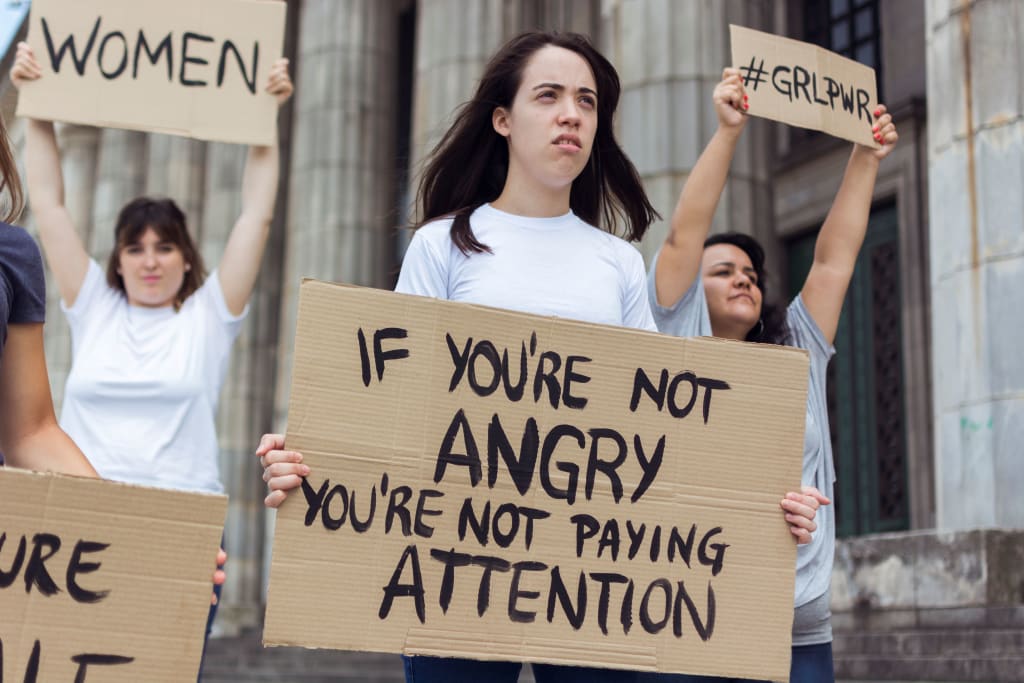
I. More Than Politics—A Question of Values
The morning after the election, I stared blankly at the news updates on my phone: Donald J. Trump would be the next President of the United States. I didn't just feel disappointment, I felt fear, anger, and disbelief.
What upsets me isn’t just that my candidate lost—it’s the precedent this sets. Enough people were willing to overlook Trump’s criminal record and questionable moral background to put him back into the white house.
This goes beyond politics. It’s about the unsettling message that choice sends about our values and priorities as a country.
II. Moral and Ethical Concerns
A. Trump’s Criminal Background
Trump is the first U.S. president, former or sitting, to face criminal indictments, including 34 felony convictions for falsifying business records, with over 50 additional charges pending. This unprecedented record alone should raise serious concerns.
Alongside these convictions, Trump has been accused by at least 26 women of sexual misconduct, assault, and rape. While Trump denies the allegations, as a survivor myself, I choose to believe these women.
For those who rely on evidence over empathy, note that only 2-10% of sexual assault claims are estimated to be false or unfounded. Meanwhile, according to the NSVRC, 63% of sexual assaults are never reported. These numbers paint a bleak reality: survivors are often silenced, discredited, or dismissed, something I've experienced myself.
Lastly, Trump's refusal to sign the ethics agreement required by law for the presidential transition raises further questions about his respect for legal norms and ethical accountability.
B. Concerns for Women and Survivors
Trump’s treatment of women goes beyond the allegations outlined above; it reflects a broader culture of undermining survivors’ experiences.
Consider the real-life implications of electing someone accused of such misconduct. Imagine being a survivor watching your abuser rise to the presidency. Your pain is dismissed, your experience trivialized—all in favor of political allegiance. This isn’t just a matter of policy; it's a visceral blow to you and anyone who has fought to overcome similar trauma.
His personal accusations are troubling enough, but his policies—like restricting reproductive rights—show a pattern of disregarding women’s autonomy and safety. I believe we owe it to ourselves and to future generations to elect leaders who demonstrate respect and integrity toward women and all marginalized groups.
C. Shift in Voter Priorities
Personally, I believe that everything we've discussed up until now makes Trump unfit to be President. As a nation, we decided to overlook the following disqualifiers:
- Felon
- Rapist
- Misogynist
- Racist
- Transphobe
- Homophobe
Somehow, these weren’t dealbreakers; instead, party loyalty and campaign promises outweighed these alarming attributes. What does it say about our collective values when these attributes are overlooked in favor of political allegiance?
III. Immigration
Immigration is a hot-button issue for many conservatives, and it’s clear Trump used it effectively to rally support. But let’s take a closer look. The truth is, undocumented immigrants often become scapegoats, portrayed as criminals or freeloaders. In reality, they are vital to our economy and communities. To understand their real impact, let's break down the facts.
A. Economic Impact of Mass Deportation
One of Trump’s campaign promises has been a mass deportation of the approximate 11 million undocumented immigrants in the U.S. But have you considered what that would actually cost us? The estimated financial burden is $88 billion per year to deport one million immigrants. That's $967.9 billion over more than a decade.
Additionally, undocumented immigrants make up more than 5% of the labor force, with significant representation in critical industries like construction, restaurants, agriculture, and manufacturing. Mass deportations would lead to severe labor shortages and economic disruption.
B. Immigrant Contributions
Many people believe undocumented immigrants drain social services and don’t pay taxes, but the numbers tell a different story. In 2022, undocumented immigrants paid an estimated $96.7 billion in total taxes—federal, state, and local.
Despite these contributions, undocumented immigrants are ineligible for most federal benefits like Medicaid and SNAP. This creates a situation where people who help fund our systems are excluded from them. These are families who work hard, pay taxes, and contribute to the same communities they’re often shut out of.
C. Influence of Media Bias on Public Perception
One of the fear tactics pushed by Trump and the media is that undocumented immigrants commit crimes at a higher rate. According to the National Institute of Justice, this isn't true:
An NIJ-funded study examining data from the Texas Department of Public Safety estimated the rate at which undocumented immigrants are arrested for committing crimes. The study found that undocumented immigrants are arrested at less than half the rate of native-born U.S. citizens for violent and drug crimes and a quarter the rate of native-born citizens for property crimes.
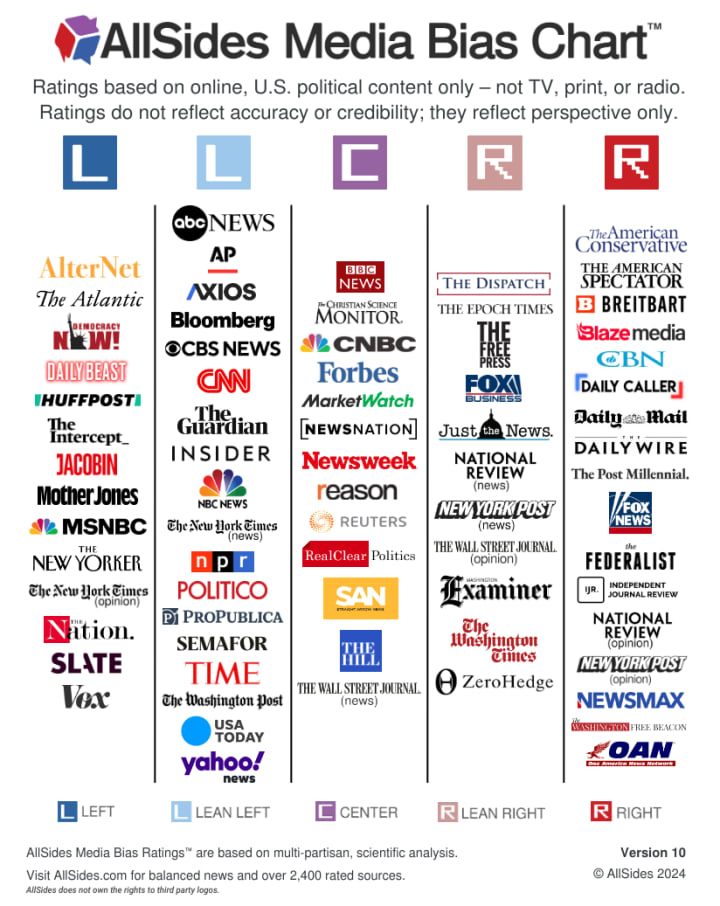
Fear-mongering thrives on misinformation, which makes fact-checking more important than ever. Tools like this interactive media bias map and AllSides’ Media Bias Chart offer insights into the leanings and reliability of popular news outlets, helping you critically evaluate sources.
IV. Inflation and Economic Policies
The economy remains a top priority for many Americans. After speaking with Trump voters and observing discussions among conservatives, it's clear the high cost of living is a major driver of support for his policies. Trump's campaign promises a stronger economy, but how would his proposals affect Americans' wallets?
A. Tariffs
Trump has proposed 20% general tariffs on all imported goods, as well as a steep 60% tariff on imports from China.
When tariffs are imposed, the cost doesn’t disappear—it’s passed on to us, the consumers. That means higher prices for everything from electronics to clothing. Trump’s proposed tariffs could cost households thousands annually.
Economists, like those at The Wall Street Journal and Moody's Analytics, warn these proposals could worsen inflation, increase deficits, and slow economic growth—leading to higher costs for everyday Americans.
B. Tax Cuts
The 2017 Tax Cuts and Jobs Act (TCJA) introduced individual and estate tax cuts, but many provisions are set to expire in 2025 unless extended—a move Trump has expressed interest in pursuing.
Who benefits most from the TCJA?
- The highest-income households (earning $450,000 or more) receive over 45% of the benefits, with their after-tax income increasing by 3.2%.
- In contrast, middle-income households (earning $65,000–$116,000) see a smaller gain, with a tax cut of about 1.3%.
Beyond tax cuts, Trump has promised to lower costs for essentials like groceries and healthcare. However, no concrete policies have been presented to support these claims.
While low and middle-class families may see some savings under an extended TCJA, these benefits are dwarfed by the gains of the top 5%. Combined with Trump’s tariff policies, the average American is likely to face higher overall costs, raising questions about who truly benefits from these economic strategies.
V. Project 2025 – The Future of American "Rights" and "Freedoms"
Project 2025, a 900-page manifesto from the Heritage Foundation, outlines an ambitious and deeply conservative vision for our future. While Trump denies direct knowledge of the document, at least 140 of his associates contributed to its development, according to CNN.
The proposals include:
- Reproductive Rights: Reversing FDA approval of the abortion medication
- Government Overhauls: Eliminating the Department of Education and dismantling the Department of Homeland Security.
- Family and Gender Policies: Mandating "traditional family structures" and defining gender as strictly biological.
- Military Exclusion: Banning transgender individuals from military service.
- Expanded Executive Power: Centralizing control of federal agencies under the president, adopting the controversial "unitary executive theory."
- Social and Cultural Restrictions: Rolling back progress on diversity, media freedom, and “woke” policies.
- Environmental and Financial Cuts: Slashing renewable energy funding and abolishing the Federal Reserve.
- Erasure of Key Terms: Removing words like “sexual orientation,” “gender equality,” and “reproductive rights” from federal laws and regulations.
If put into action, Project 2025 could reshape the country in ways that roll back individual freedoms, weaken checks and balances, and undo decades of progress on equality and justice.
VI. Conclusion: A Shared Responsibility and a Call to Awareness
These challenges are not just political—they are about the kind of country we want to build together. These policies and proposals directly impact human rights, economic stability, and the well-being of marginalized communities.
What can we do?
- Learn about Project 2025 and Trump’s policies to understand their far-reaching impacts.
- Fact-check the information you share and ensure accuracy and reliability.
- Think about how policies will affect human rights, the economy, and the environment when you vote.
America’s strength lies in its diversity and resilience. By staying informed and holding leaders accountable, we can make choices that bring us together instead of driving us apart.
We may not agree on everything, but we all have a shared stake in this nation’s future. Together, we can strive for a country that honors justice, equality, and human dignity.
~~~
Reflections on the Title:
Frankly, I am mad. Mad about the outcome of this election, but I'm also mad at myself for not having this conversation with you sooner. This anger is more than just frustration—it's a call to action.
Personally, I think we let our nation down. While the next four years may be hard, it's more important than ever to stay educated, stay involved, and vote during mid-terms and local elections. We have a responsibility to rebuild, together, and to hold our leaders accountable.
Thank you for reading. This article represents roughly 15 hours of researching, writing, and workshopping. While my personal views lean left, I consulted a mix of sources, including central and left-leaning outlets. Central sources are limited, but I sought to verify claims across multiple perspectives where possible.
I encourage thought-provoking discussions, constructive feedback, and differing perspectives in the comments. However, hate towards any group or person will not be tolerated.
About the Creator
Shelby Larsen
Spinner of Fractured Fairy Tales
Drawn to justice, buried truths, and the silence between the lines
Keep reading
More stories from Shelby Larsen and writers in The Swamp and other communities.
The Saddest Thing - The Billionaires Who Rule America Aren't Even Enjoying Themselves
This single post says more about our ruling class than a thousand policy papers. The saddest thing about today's system is that the men robbing the rest of us - sabotaging our economic prospects, our pensions, our access to affordable healthcare - are not even happy.
By Scott Christenson🌴29 days ago in The Swamp
UK Deploys Type 45 Destroyer, Drone‑Busting Helicopters Amid Iran Tensions
The Royal Navy has deployed one of its most advanced surface warships and specialised helicopters to the Eastern Mediterranean as part of a broader effort to protect British forces and interests amid escalating Middle East tensions linked to the war involving Iran and Western allies. The move, announced by British officials, reflects concerns over expanding threats from unmanned aerial systems and regional instability following recent attacks on British assets. Deployment of HMS Dragon and Helicopters The United Kingdom is sending the HMS Dragon, a Type 45 air‑defence destroyer, to the Eastern Mediterranean to bolster defensive capabilities around British bases and allied positions. The Type 45 platform is equipped with the highly capable Sea Viper missile system, capable of tracking and engaging a wide range of aerial threats — from high‑speed missiles to drones — and is one of the backbone assets of Britain’s air‑defence fleet. Accompanying the destroyer, the UK is also dispatching two Royal Navy Wildcat helicopters armed with Martlet missiles, specifically suited for intercepting and destroying hostile drones. These helicopters are designed as an agile organic counter‑drone capability, supplementing the ship’s heavy‑weight air‑defence sensors and weapons. Prompted by Attacks on British Assets The deployment is a direct response to increased threats against British forces, particularly a recent incident in which an Iranian‑manufactured drone struck a runway at RAF Akrotiri, a sovereign British air base in Cyprus. Although the strike caused only limited damage, it highlighted vulnerabilities in regional defences and underscored the growing threat from unmanned aerial systems linked to Iranian proxies. � The Sun Malaysia British forces have also actively engaged hostile drones across the region. RAF F‑35B Lightning II jets reportedly shot down multiple unmanned aerial systems over neighboring countries as part of coalition air defence efforts, marking notable operational firsts for the aircraft in combat environments. Strategic Importance of the Type 45 Destroyer Type 45 destroyers like HMS Dragon are among the Royal Navy’s most capable surface combatants, primarily designed for air defence and fleet protection. The Sea Viper system aboard these vessels integrates advanced radar and missile technology, allowing the ship to detect, track, and engage multiple threats simultaneously across large swathes of airspace. This capability is critical in regions where drones, ballistic missiles, and other aerial threats are present. Defence Industry Europe The addition of drone‑busting helicopters enhances this capability by providing a flexible and mobile layer of defence. Wildcats can operate at various altitudes and respond rapidly to incoming threats — a capability increasingly valued as unmanned systems become prevalent on modern battlefields. Regional and Diplomatic The deployment underscores both the deteriorating security environment in the Middle East and the UK’s willingness to reinforce its position and support allies in the region. The conflict, which has involved U.S. and Israeli assaults on Iranian targets and Iranian retaliatory actions, has seen a spike in drone and missile activity, prompting coalition partners to strengthen defensive postures. France and Greece have also pledged defensive support, with additional assets — including frigates and air‑defence systems — heading to the Eastern Mediterranean. These moves signal a broader allied response to the growing risk of spill‑over effects from the war and underscore the strategic importance of Cyprus and surrounding waters for Western forces. UK’s Stance and Objectives British Prime Minister Keir Starmer has emphasized that the deployments are defensive in nature. The UK’s intent, officials say, is to protect personnel, military infrastructure, and civilians rather than escalate involvement in offensive operations. In statements, Starmer highlighted the UK’s commitment to regional security and support for partners while cautioning against undue escalation. Challenges and Criticism Despite the deployment, some critics have questioned the timeliness and scale of the UK’s response, noting that the destroyer Dragon was not immediately at sea and required final preparations before departure. Observers argue that such major assets should be pre‑positioned or more rapidly deployable given the speed at which the regional security landscape can shift. Nevertheless, the decision to send both a Type 45 destroyer and counter‑drone helicopters signals a clear recalibration of British military posture in response to what the UK government describes as a volatile threat environment — one where defence against unmanned aerial threats has become a strategic priority. Contextual Significance The deployment of HMS Dragon and its supporting helicopters reflects broader dynamics in modern conflict, where air‑defence platforms are central to safeguarding forces and infrastructure. As the Middle East crisis continues to unfold, the UK’s move is a testament to shifting defence strategies in the face of evolving aerial risks.
By Fiaz Ahmed 3 days ago in The Swamp
Tatt~Master
— Assembly Line Tatt Machine ~ Impressions to Impress — As I begin to understand more about the Tattoo Phenomenon. I've written silly, yet verbatim, dating site anecdotes in 'Frazzled.' So let me ask you: Would you be More attracted to someone slathered with tattoos, or Less?
By Jay Kantor7 days ago in Humor



Comments (1)
Nice to read 🌸 Good morning! May every moment of the new day be filled with peace, love and success. May God bring you countless smiles today. ☀️