
Why Fried Chicken Restaurants Continue to Rule the Comfort Food Scene
From secret spice blends to community tables, fried chicken spots offer more than meals—they serve tradition, flavor, and connection.

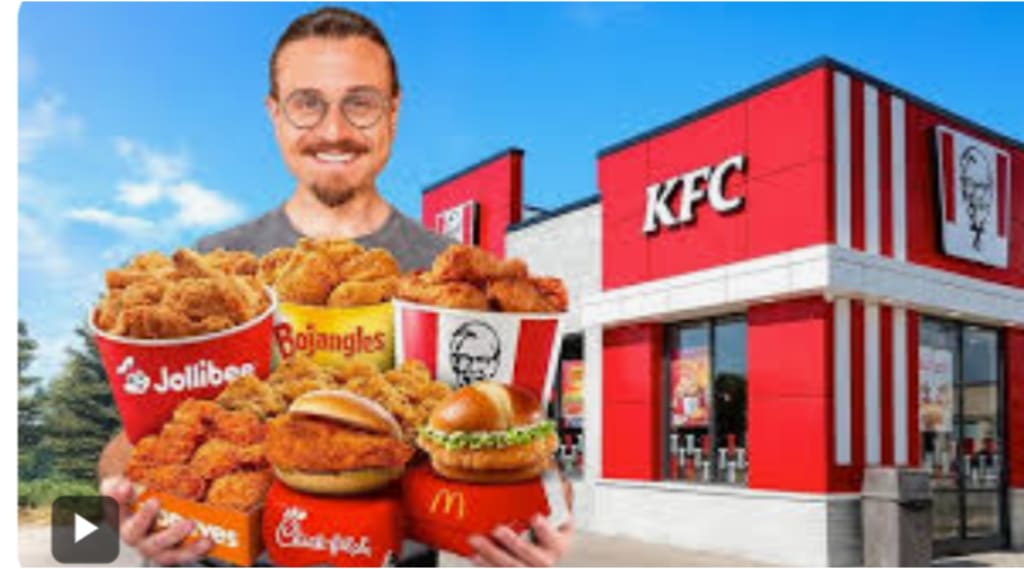
Few foods inspire the same level of devotion as fried chicken. Crispy on the outside, tender on the inside, and bursting with flavor, it has become a symbol of comfort and celebration across cultures. Fried chicken restaurants, in particular, have carved out a special place in the culinary world by transforming a simple dish into an unforgettable experience. These establishments do more than serve food—they preserve tradition while embracing innovation.
At the heart of every successful fried chicken restaurant is its recipe. While the core ingredients remain simple—chicken, flour, and seasoning—the magic lies in the blend of spices and the method of preparation. Many restaurants guard their recipes like family heirlooms, passing them down through generations. This secrecy adds to the charm, making each bite feel like a taste of history. Whether it is a classic Southern-style seasoning or a modern twist with international spices, the flavor profile tells a story about the restaurant’s identity.
Beyond the recipe, the atmosphere of a fried chicken restaurant plays a major role in its appeal. These spaces often feel welcoming and familiar, filled with the comforting aroma of hot oil and spices. From small neighborhood diners to bustling chain locations, fried chicken restaurants invite people to slow down and enjoy a shared meal. They are places where families gather after long days, friends meet for casual dinners, and travelers seek a taste of local culture.
Fried chicken has also proven to be incredibly versatile. Restaurants have expanded their menus far beyond the traditional drumstick and thigh. Today, customers can enjoy chicken sandwiches, tenders, wings, and even fried chicken paired with waffles or served in tacos. This adaptability allows restaurants to attract a wide range of customers, from those who crave nostalgia to those looking for bold new flavors.
Another reason fried chicken restaurants thrive is their ability to balance tradition with creativity. While many customers return for the familiar crunch they love, chefs are constantly experimenting with sauces, coatings, and side dishes. Honey butter glazes, spicy chili rubs, and garlic parmesan crusts are just a few examples of how the classic dish has been reimagined. These innovations keep menus exciting without losing the soul of fried chicken.
The rise of fried chicken restaurants also reflects broader food trends. As people seek comfort foods in stressful times, fried chicken provides both satisfaction and emotional warmth. It is a dish that feels celebratory even on ordinary days. During difficult periods, many restaurants have become community anchors, offering affordable meals and a sense of consistency. This emotional connection helps explain why fried chicken remains popular decade after decade.
Cultural influence has played an important role in shaping modern fried chicken restaurants. Korean fried chicken, for instance, introduced lighter batters and bold sauces, inspiring countless restaurants worldwide. Nashville hot chicken brought fiery spice into the mainstream, while Japanese karaage emphasized crispness and simplicity. These global interpretations have transformed fried chicken from a regional favorite into an international phenomenon.
Service style is another factor in the success of fried chicken restaurants. Many have embraced casual dining models that prioritize speed and quality. Customers can enjoy high-quality food without the formality of fine dining, making fried chicken accessible to all. At the same time, some upscale establishments have elevated fried chicken into gourmet cuisine, pairing it with artisanal sides and craft beverages. This range of experiences ensures that fried chicken restaurants remain relevant to diverse audiences.
Sustainability and sourcing have also become part of the conversation. Modern diners care about where their food comes from, and many fried chicken restaurants are responding by using locally sourced ingredients and ethically raised poultry. This shift not only improves food quality but also strengthens ties between restaurants and their communities. Transparency builds trust, and trust keeps customers coming back.
Perhaps the greatest strength of fried chicken restaurants is their emotional impact. The sound of sizzling oil, the smell of spices, and the first crunchy bite create a sensory experience that feels deeply comforting. These restaurants often become part of personal memories—birthday dinners, late-night cravings, or family reunions. Food has the power to mark moments in life, and fried chicken has mastered that role.
In a rapidly changing food industry, fried chicken restaurants continue to stand strong because they offer something timeless. They combine flavor, tradition, and innovation in a way that feels both familiar and fresh. While trends may come and go, the love for crispy, golden chicken remains constant.
Ultimately, fried chicken restaurants represent more than just places to eat. They are cultural spaces where stories are shared, traditions are honored, and creativity thrives. With every new recipe and every loyal customer, these establishments prove that comfort food can be both simple and extraordinary.
As long as people crave warmth, flavor, and connection, fried chicken restaurants will continue to rule the comfort food scene—one crunchy bite at a time.
About the Creator
Sajida Sikandar
Hi, I’m Sajida Sikandar, a passionate blogger with 3 years of experience in crafting engaging and insightful content. Join me as I share my thoughts, stories, and ideas on a variety of topics that matter to you.
Keep reading
More stories from Sajida Sikandar and writers in The Swamp and other communities.
Catherine O’Hara: The Queen of Comedy Who Redefined What It Means to Be Iconic
Catherine O’Hara is one of those rare performers whose presence alone can elevate a project from entertaining to unforgettable. With a career spanning more than four decades, she has mastered the art of comedy while also demonstrating remarkable emotional depth. Whether she is delivering exaggerated accents, embodying glamorous eccentricity, or quietly revealing vulnerability, O’Hara has earned her place as one of the most respected and beloved figures in entertainment.
By Sajida Sikandarabout 11 hours ago in The Swamp
What Does the US Want From Iran? Tracking One Month of Trump’s Changing Demands
Policy shifts and evolving statements create uncertainty in Tehran and Washington Over the past month, the United States’ approach to Iran has drawn intense attention as policymakers, media, and analysts try to track the administration’s evolving demands. From nuclear agreements to regional behavior, statements from Washington have ranged from strict ultimatums to more flexible proposals, leaving observers questioning the exact objectives of U.S. policy. The rapid changes highlight the complexity of U.S.–Iran relations, where strategic, political, and domestic considerations intersect. Understanding these shifts requires examining key statements, policy signals, and the broader context of American foreign strategy. Nuclear Compliance Remains Central One consistent theme is the U.S. focus on Iran’s nuclear program. Over the past month, officials repeatedly emphasized that Tehran must limit enrichment activities, allow inspections, and comply with previous agreements. However, the language has varied: Early in the month, officials demanded complete cessation of enrichment and dismantling of certain facilities. Later statements suggested that negotiated limits could be acceptable if they included rigorous verification measures. This shifting language has created uncertainty about whether Washington is pursuing maximalist goals or practical, enforceable compromises. Regional Behavior Under Scrutiny Beyond nuclear issues, the U.S. has also highlighted concerns about Iran’s influence in the Middle East. Officials have cited: Military support for proxy groups Activities in Iraq, Syria, and Yemen Missile development programs Initially, demands were framed as requiring Iran to halt all regional interventions, a broad expectation that critics described as politically challenging. Later statements focused on reducing destabilizing activities and adhering to United Nations resolutions, suggesting a more targeted approach. Sanctions and Economic Pressure Economic leverage continues to play a key role in U.S. strategy. Over the month: Some statements suggested tightened sanctions on key industries, including energy and banking. Others indicated potential relief if Iran agreed to specific concessions, signaling that the U.S. is prepared to negotiate based on compliance. Analysts note that this dual approach—pressure combined with conditional incentives—is designed to shape Tehran’s calculations without immediate military intervention. Political Messaging and Domestic Factors U.S. statements about Iran are also influenced by domestic politics. The administration must balance: Appealing to voters concerned about national security Showing strength in foreign policy Avoiding escalation that could lead to direct conflict This balancing act helps explain why public statements sometimes appear inconsistent or contradictory. Policy decisions are often shaped as much by political signaling as by strategic calculation. Responses From Tehran Iran has reacted cautiously to the U.S. messaging. Officials have reiterated that: Nuclear programs are for peaceful purposes Regional activities are defensive or supportive of allies External demands must respect sovereignty and past agreements The mixed U.S. messaging has complicated negotiations, as Iranian leaders struggle to determine which demands are flexible and which are non-negotiable. Challenges for Diplomacy The rapid shifts in U.S. demands highlight several challenges for diplomatic efforts: Clarity – Iran needs precise guidelines to respond meaningfully. Consistency – Frequent changes undermine trust and planning. Verification – Both sides must agree on inspection and monitoring protocols. Without clear parameters, the risk of miscalculation or stalemate increases, potentially escalating regional tensions. Impact on Global Observers Allies and regional partners are watching closely. Nations like the EU, Israel, and Gulf states are affected by the evolving U.S. stance. Their responses range from support for pressure measures to calls for cautious dialogue, reflecting concern about: Stability in oil markets Military escalation risks Diplomatic credibility These global dynamics underscore that U.S.–Iran relations are not confined to bilateral issues but have broader international implications. Looking Ahead Observers suggest that the next few weeks will be critical. Key indicators include: The tone of official statements from the White House and State Department Actions regarding sanctions enforcement or relief Diplomatic engagement with European and regional partners How the U.S. balances strict demands with potential negotiation could determine whether tensions escalate or lead to a structured diplomatic process. Conclusion Over one month, the U.S. approach to Iran has shown a mix of strict demands and potential flexibility, reflecting strategic objectives, domestic politics, and regional concerns. Nuclear compliance, regional behavior, and economic pressure remain central, but the shifting language has created uncertainty for Tehran and global observers alike. Understanding U.S. intentions requires recognizing that policy is shaped by multiple pressures and that public statements may not fully capture the negotiation dynamics behind the scenes. As both nations navigate this period, clarity, consistency, and careful diplomacy will be essential to avoid escalation and maintain a pathway for negotiation.
By Fiaz Ahmed 3 days ago in The Swamp
When the State Kills
Last month, Minneapolis became the backdrop for a shocking sequence of events that have shaken not only Minnesota but the conscience of this entire nation. In the span of weeks, two American citizens—Alex Jeffrey Pretti and Renee Nicole Good—were fatally shot by federal immigration agents, igniting grief, anger, and urgent calls for accountability from communities, lawmakers, and human rights advocates alike.
By Dan McGinnis4 days ago in The Swamp
A Love Forboding
The chipped stone slope caused unbearable footing. I slid, skirting on my heels. I cast my shield, relinquishing my guard to stay upright. Left with my double-edge and a prayer to the maker, I skated toward my objective. The earthly stubble gave way to solid ground. I found myself restored, a trail of dust in my wake.
By James U. Rizzia day ago in Fiction



Comments
There are no comments for this story
Be the first to respond and start the conversation.