
What Does the US Want From Iran? Tracking One Month of Trump’s Changing Demands
A month of shifting statements reveals evolving U.S. priorities on Iran

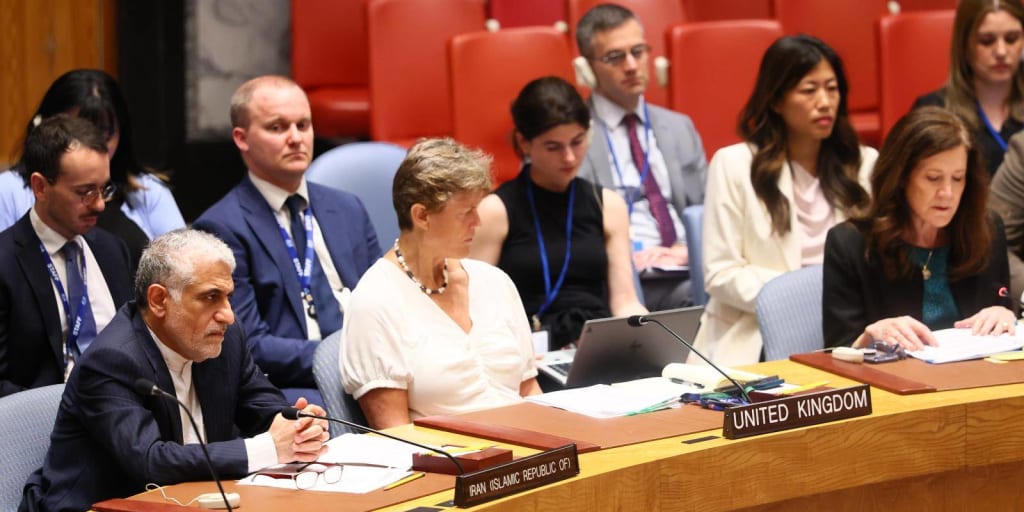
Policy shifts and evolving statements create uncertainty in Tehran and Washington
Over the past month, the United States’ approach to Iran has drawn intense attention as policymakers, media, and analysts try to track the administration’s evolving demands. From nuclear agreements to regional behavior, statements from Washington have ranged from strict ultimatums to more flexible proposals, leaving observers questioning the exact objectives of U.S. policy.
The rapid changes highlight the complexity of U.S.–Iran relations, where strategic, political, and domestic considerations intersect. Understanding these shifts requires examining key statements, policy signals, and the broader context of American foreign strategy.
Nuclear Compliance Remains Central
One consistent theme is the U.S. focus on Iran’s nuclear program. Over the past month, officials repeatedly emphasized that Tehran must limit enrichment activities, allow inspections, and comply with previous agreements.
However, the language has varied:
Early in the month, officials demanded complete cessation of enrichment and dismantling of certain facilities.
Later statements suggested that negotiated limits could be acceptable if they included rigorous verification measures.
This shifting language has created uncertainty about whether Washington is pursuing maximalist goals or practical, enforceable compromises.
Regional Behavior Under Scrutiny
Beyond nuclear issues, the U.S. has also highlighted concerns about Iran’s influence in the Middle East. Officials have cited:
Military support for proxy groups
Activities in Iraq, Syria, and Yemen
Missile development programs
Initially, demands were framed as requiring Iran to halt all regional interventions, a broad expectation that critics described as politically challenging. Later statements focused on reducing destabilizing activities and adhering to United Nations resolutions, suggesting a more targeted approach.
Sanctions and Economic Pressure
Economic leverage continues to play a key role in U.S. strategy. Over the month:
Some statements suggested tightened sanctions on key industries, including energy and banking.
Others indicated potential relief if Iran agreed to specific concessions, signaling that the U.S. is prepared to negotiate based on compliance.
Analysts note that this dual approach—pressure combined with conditional incentives—is designed to shape Tehran’s calculations without immediate military intervention.
Political Messaging and Domestic Factors
U.S. statements about Iran are also influenced by domestic politics. The administration must balance:
Appealing to voters concerned about national security
Showing strength in foreign policy
Avoiding escalation that could lead to direct conflict
This balancing act helps explain why public statements sometimes appear inconsistent or contradictory. Policy decisions are often shaped as much by political signaling as by strategic calculation.
Responses From Tehran
Iran has reacted cautiously to the U.S. messaging. Officials have reiterated that:
Nuclear programs are for peaceful purposes
Regional activities are defensive or supportive of allies
External demands must respect sovereignty and past agreements
The mixed U.S. messaging has complicated negotiations, as Iranian leaders struggle to determine which demands are flexible and which are non-negotiable.
Challenges for Diplomacy
The rapid shifts in U.S. demands highlight several challenges for diplomatic efforts:
Clarity – Iran needs precise guidelines to respond meaningfully.
Consistency – Frequent changes undermine trust and planning.
Verification – Both sides must agree on inspection and monitoring protocols.
Without clear parameters, the risk of miscalculation or stalemate increases, potentially escalating regional tensions.
Impact on Global Observers
Allies and regional partners are watching closely. Nations like the EU, Israel, and Gulf states are affected by the evolving U.S. stance. Their responses range from support for pressure measures to calls for cautious dialogue, reflecting concern about:
Stability in oil markets
Military escalation risks
Diplomatic credibility
These global dynamics underscore that U.S.–Iran relations are not confined to bilateral issues but have broader international implications.
Looking Ahead
Observers suggest that the next few weeks will be critical. Key indicators include:
The tone of official statements from the White House and State Department
Actions regarding sanctions enforcement or relief
Diplomatic engagement with European and regional partners
How the U.S. balances strict demands with potential negotiation could determine whether tensions escalate or lead to a structured diplomatic process.
Conclusion
Over one month, the U.S. approach to Iran has shown a mix of strict demands and potential flexibility, reflecting strategic objectives, domestic politics, and regional concerns. Nuclear compliance, regional behavior, and economic pressure remain central, but the shifting language has created uncertainty for Tehran and global observers alike.
Understanding U.S. intentions requires recognizing that policy is shaped by multiple pressures and that public statements may not fully capture the negotiation dynamics behind the scenes. As both nations navigate this period, clarity, consistency, and careful diplomacy will be essential to avoid escalation and maintain a pathway for negotiation.
About the Creator
Fiaz Ahmed
I am Fiaz Ahmed. I am a passionate writer. I love covering trending topics and breaking news. With a sharp eye for what’s happening around the world, and crafts timely and engaging stories that keep readers informed and updated.
Keep reading
More stories from Fiaz Ahmed and writers in The Swamp and other communities.
After Naval Drills With Iran, South Africa Faces New U.S. Scrutiny
Military cooperation raises questions about alliances and regional security South Africa is facing fresh scrutiny from the United States following recent naval drills conducted with Iran in the Indian Ocean. While South African officials emphasize the exercises were routine and aimed at strengthening maritime security, U.S. analysts and policymakers have expressed concern over the implications for international relations and regional stability. The development comes amid heightened attention to Iran’s military presence and influence in global waters. The U.S. has historically been cautious about any nation participating in naval exercises with Tehran, citing security and strategic concerns. South Africa’s decision has sparked debate over balancing sovereignty, security interests, and international diplomacy. The Naval Drills and Their Purpose According to South Africa’s Ministry of Defence, the naval exercises focused on maritime safety, search and rescue operations, and anti-piracy measures. The drills involved multiple Iranian vessels and South African naval ships navigating the strategic waters of the Indian Ocean. Officials stress that these exercises were not intended as a political statement and were aimed purely at improving operational skills and international cooperation in securing shipping lanes. Piracy and maritime crime remain significant challenges in the region, making such joint exercises relevant from a practical standpoint. U.S. Concerns and Scrutiny Despite South Africa’s assurances, the U.S. has flagged the drills as a potential issue. Washington is particularly cautious because of: Iran’s involvement in broader geopolitical tensions Concerns over the transfer of military knowledge and technology The potential perception of South Africa aligning with nations opposed to U.S. interests Analysts note that while South Africa is not under sanctions for its military cooperation, the optics of working closely with Iran can strain relations with Washington, a key ally in global security initiatives. South Africa’s Position South African officials have defended the exercises, highlighting that: The drills were part of routine maritime collaboration They focused on non-combat areas like search and rescue South Africa maintains independent foreign policy decisions Foreign Minister representatives emphasized that cooperation with multiple countries at sea is common practice, and engaging with Iran does not imply endorsement of all Iranian policies. Regional and Strategic Implications The Indian Ocean is a vital maritime corridor for global trade, including oil and gas shipments. Security in these waters is critical for regional and global stability. South Africa’s participation in drills with Iran may be viewed as: Strengthening maritime security through multilateral exercises Sending a message that the country pursues independent defense partnerships Potentially complicating relationships with countries that have adversarial positions toward Iran Some security experts suggest that while the exercises are technically defensive, perception matters as much as reality in international relations. Historical Context South Africa has a history of maintaining a non-aligned and independent foreign policy, often engaging with countries outside traditional Western alliances. During the Cold War, Pretoria navigated complex global dynamics while balancing domestic and international priorities. The current naval exercises reflect this tradition of pragmatic engagement, aimed at enhancing capabilities without committing to political alignments. Potential Impact on U.S.–South Africa Relations While the naval drills are unlikely to cause an outright diplomatic rift, they may prompt: Closer scrutiny of South African defense cooperation Increased U.S. diplomatic engagement to clarify intentions Discussions about how South Africa manages relationships with countries under international scrutiny Some analysts warn that repeated engagements with Iran could lead Washington to reconsider strategic and military support initiatives, though this is still speculative. Balancing Security and Diplomacy South Africa’s government faces a delicate balancing act. On one hand, regional security requires cooperation with multiple partners, including Iran. On the other, South Africa must maintain good relations with major powers like the United States to ensure continued access to military technology, training, and strategic support. The situation highlights the challenges nations face when pursuing independent foreign policies in a polarized geopolitical environment. Public and Political Response in South Africa Within South Africa, reactions are mixed. Some political commentators argue that engaging with Iran demonstrates sovereignty and pragmatism, while others warn that such actions could strain vital international partnerships. Veterans and defense experts generally support naval readiness and skills development, emphasizing that the exercises improve operational capacity regardless of political context. Looking Ahead How the U.S. responds could set the tone for future South African defense cooperation. Key considerations include: Transparency in military engagements Clear communication about the non-political nature of exercises Continued focus on maritime safety and anti-piracy efforts Experts suggest that South Africa can maintain independent partnerships while mitigating political risks by emphasizing practical objectives and regional stability. Conclusion South Africa’s participation in naval drills with Iran has brought renewed scrutiny from the United States, underscoring the complex intersection of military cooperation, diplomacy, and international perception. While the exercises are officially focused on security and operational readiness, they highlight how even routine defense activities can carry political and strategic implications. For South Africa, navigating this situation will require careful messaging, maintaining transparency, and balancing national interests with the expectations of global partners. The episode illustrates that in international relations, actions at sea often ripple far beyond the waters in which they occur.
By Fiaz Ahmed about 19 hours ago in The Swamp
Zelensky Hopes First Ukraine, Russia, and US Talks Are ‘Step Towards Ending War’
Ukrainian President Volodymyr Zelensky has expressed cautious optimism following the first trilateral talks involving Ukraine, Russia, and the United States in Abu Dhabi. The discussions, aimed at exploring avenues for peace and conflict resolution, represent a significant development in the ongoing war in Ukraine.
By Aarif Lashari6 days ago in The Swamp


Comments
There are no comments for this story
Be the first to respond and start the conversation.